Something remarkable is happening in Midwest breweries. After twenty years of pushing limits with extreme flavors, craft beer is returning to its roots. Walk into any taproom from Chicago to Cleveland, and you’ll see pilsners, Vienna lagers, and classic beer styles taking over taps once dominated by pastry stouts and milkshake IPAs.
This isn’t nostalgic throwback. It’s a calculated response to real market forces and changing drinkers who want something different.
The numbers tell a striking story. Craft beer production dropped 4% in 2024, and over 500 breweries shut their doors—the first time the brewery count has declined since 2005 [1]. But while the industry contracts, Midwest breweries making traditional lagers are doing fine. American pilsner production has jumped 25% every year since 2022. On Untappd, lager beer check-ins shot up 63% between 2021 and 2024 [2].
After years of “liquid desserts” and barrel-aged monsters, brewers have figured something out. The real competitive edge isn’t making the craziest beer. It’s making the best drinkable craft beer—the kind people want to drink all afternoon. That’s what’s bringing craft beer back to basics in 2026.
- Why Craft Beer Is Going Back to Basics: The End of Extreme Beer
- Pilsner vs IPA Popularity: Traditional Beer Styles Making a Comeback
- Traditional Brewing Methods Midwest: Why Are Breweries Making Traditional Beers
- Best Pilsner Breweries in Midwest: Midwest Craft Beer Trends 2026
- Craft Beer Returning to Roots: The Future of Craft Brewing 2026
- References
Why Craft Beer Is Going Back to Basics: The End of Extreme Beer
Let’s be honest about where craft beer is right now. What started as rebellion against boring macro lagers turned into an arms race. Pastry stouts loaded with candy. Milkshake IPAs. Face-puckering sours. Every brewery competed to out-crazy everyone else.
Jim Vorel from Paste Magazine doesn’t mince words: “Creatively speaking, craft beer now finds itself at the lowest point it’s occupied in several decades.”
The Craft Beer Simplicity Trend Takes Over
All that innovation trained beer drinkers to become “tickers”—people who just wanted to try the next new thing rather than find a brewery they loved. This craft beer simplicity trend started when brewers realized the system was unsustainable. Managing hundreds of beer styles became a nightmare. Vanilla beans, exotic fruit purees, rare hops—all got more expensive.
With over 9,600 craft breweries in America, standing out through extreme flavors alone has become impossible. Bart Watson, Chief Economist at the Brewers Association, puts it plainly: craft beer has “moved out of the golden age” and now works like a “normal market” where quality beer matters more than gimmicks [3].
Breweries are cutting back hard. Instead of fifty beers a year, many focus on ten to fifteen solid ones. It’s about craft beer quality over gimmicks.
Pilsner vs IPA Popularity: Traditional Beer Styles Making a Comeback
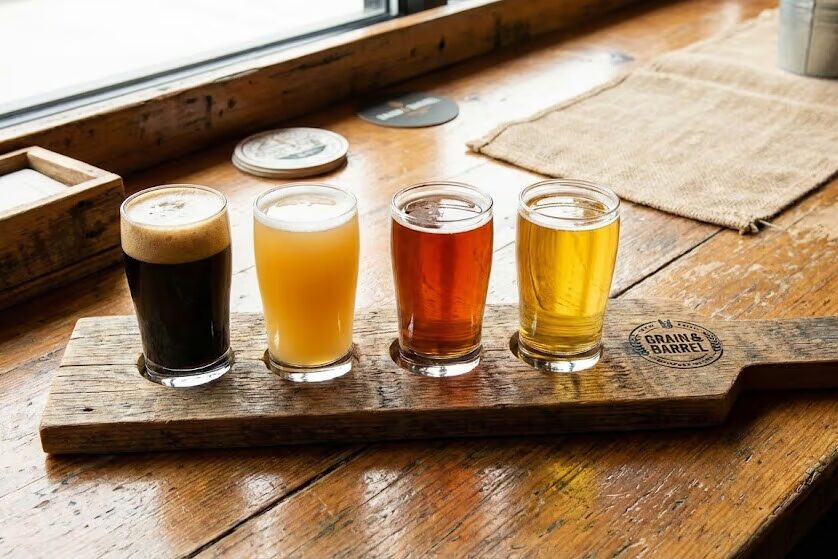
IPAs still rule the roost, holding onto 46-50% of craft beer sales. But the growth isn’t happening there anymore. It’s moved to traditional beer styles. American craft lager production is growing 25% every year. Over 1,200 breweries are now making premium lagers. The best classic beer styles—pilsner, Vienna lager, Helles—are taking back tap handles.
Look at Untappd’s numbers. Japanese rice lager check-ins jumped from 144,886 in 2021 to 235,665 in 2024—a 63% increase. Brian Rooney from BKS Artisan Ales sees it firsthand: “We’ve gone from selling hazy beer three to one over everything else to one to one to one with lager, hazy beer, and West Coast.”
Classic Beer Styles vs Extreme Beer: A Clear Winner
The extreme stuff is losing steam fast. Belgian ales dropped 13%. Stouts fell 6.5% to barely 1% of dollar sales. People report “palate fatigue”—feeling bloated and overwhelmed by all that intensity. These days, “drinkability” isn’t an insult. It’s what brewers aim for when making the best easy drinking craft beer.
Gen Z Drives Demand for Best Drinkable Craft Beer
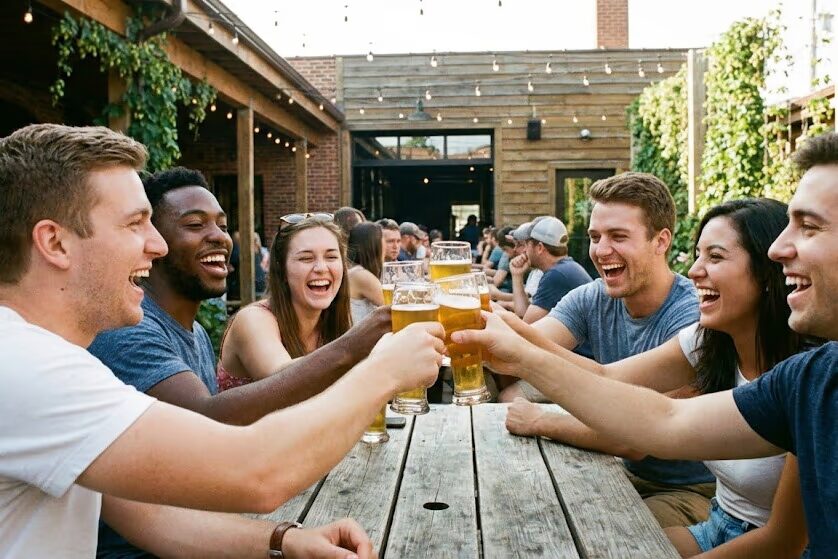
Gen Z is driving a lot of this change. They drink 20% less alcohol than Millennials. Over half prefer lagers and pilsners, while only about a quarter go for porters and stouts [4]. They spend 27% of their beer money on American light lagers, compared to just 17% for Millennials.
A quarter of all beer drinkers now say they’re moderating their drinking. That means sessionable beers under 5% ABV. Patrick Kirk from Buffalo Wild Wings explains why: “If you’re going to stay for a game from kick-off to the end, you can’t really drink beers with 6% or 7% ABV throughout.” Non-alcoholic beer sales jumped over 30% in 2024, with Athletic Brewing hitting $93 million to become the eighth-largest craft brewing company.
Traditional Brewing Methods Midwest: Why Are Breweries Making Traditional Beers
Here’s the thing about traditional European beer styles: they’re brutally honest. As the technical literature puts it, “A pilsner will show even the slightest flaw in processing or aging.” With an imperial stout or heavily-hopped IPA, you can hide mistakes behind intensity. But with a clean Helles lager beer? There’s nowhere to hide.
Every aspect of traditional brewing methods has to be perfect—water chemistry, malt quality, fermentation temperature control, lagering conditions. If any of these are off, everyone will taste it.
Traditional European Beer Styles Midwest Brewers Are Mastering
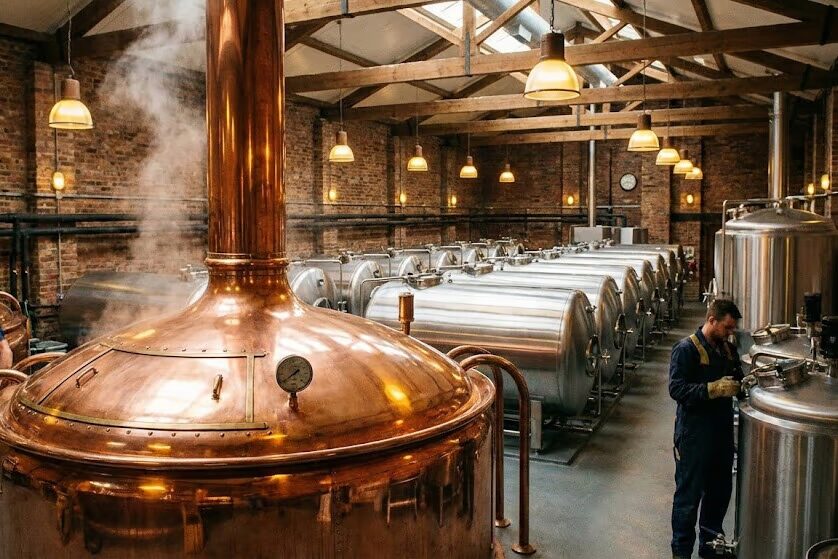
That challenge attracts serious brewers. Hagen Dost from Chicago’s Dovetail Brewery explains: “I wasn’t satisfied with any lager that I had tasted from an American brewery, because I had tasted lagers in their homeland.” Dovetail went all-in on traditional brewing methods Midwest brewers are rediscovering—decoction mashing, open fermentation in coolships, horizontal lagering. These old-school techniques take forever and cost more, which is why most breweries abandoned them decades ago.
Chris Lohring from Notch Brewing sees this shift happening everywhere: “Rather than finding what new ingredient to throw at a beer, many are now focusing on older processes (decoction, open fermentation, etc.) that were lost to efficiency or cost savings.”
Quality Beer Takes Time and Patience
The time commitment is serious. Quality lagers need 6-12 weeks total, compared to just 2-3 weeks for most ales. Summit Brewing’s Keller Pils sits in tanks for over 60 days. As they point out, “Few breweries have the capacity, or patience, to pull this off!”
But it’s worth it. Lower hop usage cuts costs. Session-strength beers use less grain per barrel. And flagship products that sell consistently every week make way more money than limited releases that blow up on social media and disappear. Plus, managing fewer products means less complexity everywhere. When you’re competing in a crowded market, consistency beats novelty every time.
Best Pilsner Breweries in Midwest: Midwest Craft Beer Trends 2026
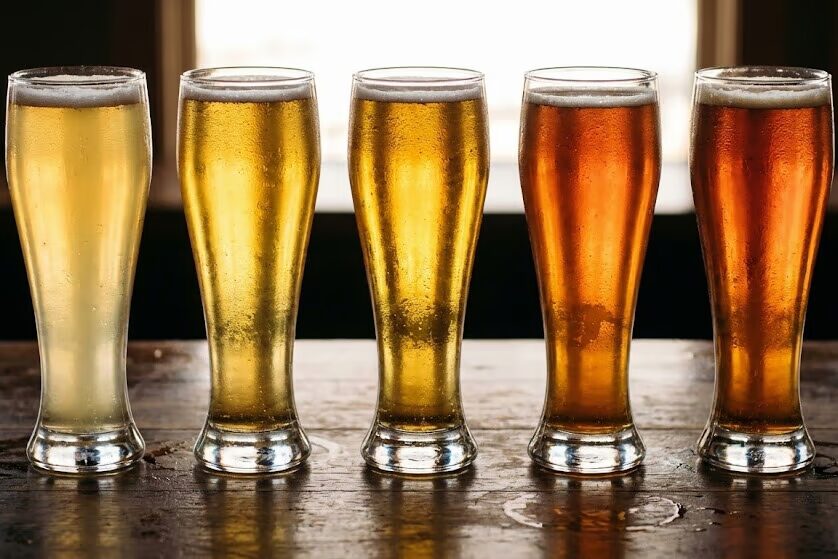
The Midwest has something most regions don’t: deep roots in traditional European beer styles. German and Czech immigrants brought lager traditions to Wisconsin, Minnesota, Ohio, and Illinois in the 1800s. Those traditions stuck around, giving Midwest brewers an authenticity edge that makes this region home to some of the best pilsner breweries in America.
Midwest Breweries Traditional Lagers: Heritage Brands Leading the Way
August Schell Brewing in New Ulm, Minnesota, founded in 1860, is the second-oldest family-owned brewery in the country. In 2025, they’re skipping THC drinks and hard seltzers to focus on German-style lagers—classic pilsner, Firebrick Vienna lager, and pre-Prohibition American lager.
What is a Vienna lager? It’s a traditional Austrian beer style with toasty, bready malt flavors and amber to copper color. It’s one of the best classic beer styles making a comeback.
Best Classic Beer Styles from Award-Winning Breweries
Summit Brewing in St. Paul shows why traditional focus wins. Their Keller Pils—an unfiltered German-style pilsner made with Tettnang hops—took the top spot in Paste Magazine’s blind taste test of 62 different pilsners [5]. They beat established German imports. Great Lakes Brewing in Cleveland keeps three year-round lagers in rotation, including Dortmunder Gold and Turntable Pils.
Fair State Brewing Cooperative in Minneapolis launched a Vienna Lager with authentic toasty character. Urban Chestnut Brewing in St. Louis built their philosophy around traditional German methods. Chicago’s Revolution Brewing shows how Midwest breweries traditional lagers can scale—their Cold Time Premium Lager has become huge regionally, proving craft breweries can compete directly with big brands when quality matters.
Craft Beer Returning to Roots: The Future of Craft Brewing 2026
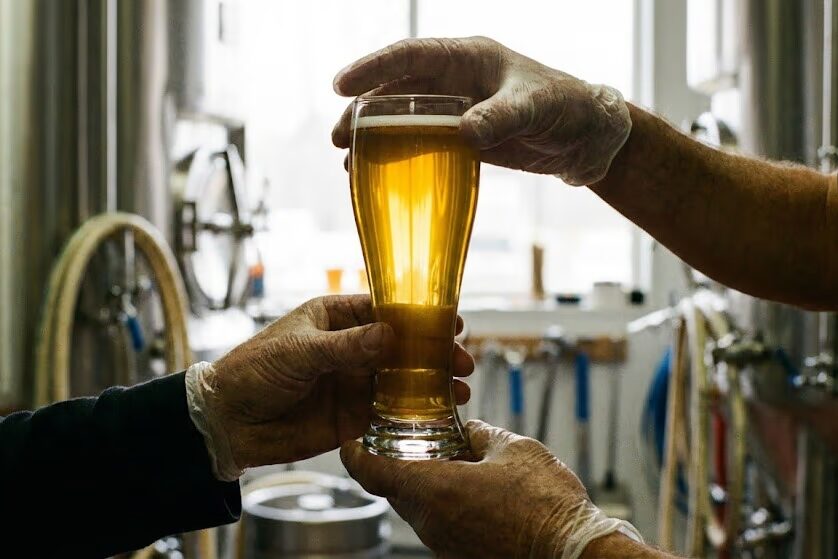
What’s happening in the Midwest shows how craft beer is growing up. For decades, brewers competed to make the wildest beers imaginable. Now they’re proving they can make something truly well-crafted.
This shift rewards beer drinkers who’d rather have a balanced pilsner than a birthday-cake stout, and brewers who find satisfaction in technical mastery.
Why This Matters for Beer Trends Beyond 2026
Three big takeaways explain why craft beer is going back to basics. First, traditional brewing demands more skill than extreme styles. Clean fermentation takes precision. You can hide mistakes behind lactose and vanilla, but never behind a pilsner’s clarity. Second, younger drinkers want different things. Gen Z favors sessionable options, positioning traditional beer styles for long-term growth. Third, the Midwest’s Germanic heritage gives the region a competitive advantage that’s hard to replicate.
Looking ahead, expect more craft lager growth. Breweries will invest more in flagship products. Awards will shift toward traditional brewing excellence. The money is already following.
The breweries that figure this out will learn what August Schell knows after 165 years: beer trends come and go, but well-crafted traditional beer sticks around. In a craft brewing industry that used to worship novelty, the path forward means going back to basics and making the best drinkable craft beer possible.
References
[1] Brewers Association. “2024 Craft Brewing Industry Statistics.” 2025. https://www.brewersassociation.org/statistics-and-data/
[2] Hop Culture. “The State of Craft Beer in 2025.” January 2025. https://www.hopculture.com/state-of-craft-beer-2025/
[3] Watson, Bart. Brewers Association Economic Presentation. Massachusetts Brewers Guild Technical Brewing and Business Conference. 2024.
[4] Knit Consumer Research. “Gen Z Beer Preferences Study.” 2024.
[5] Paste Magazine. “62 Pilsners Blind Tasted and Ranked.” https://www.pastemagazine.com/drink/