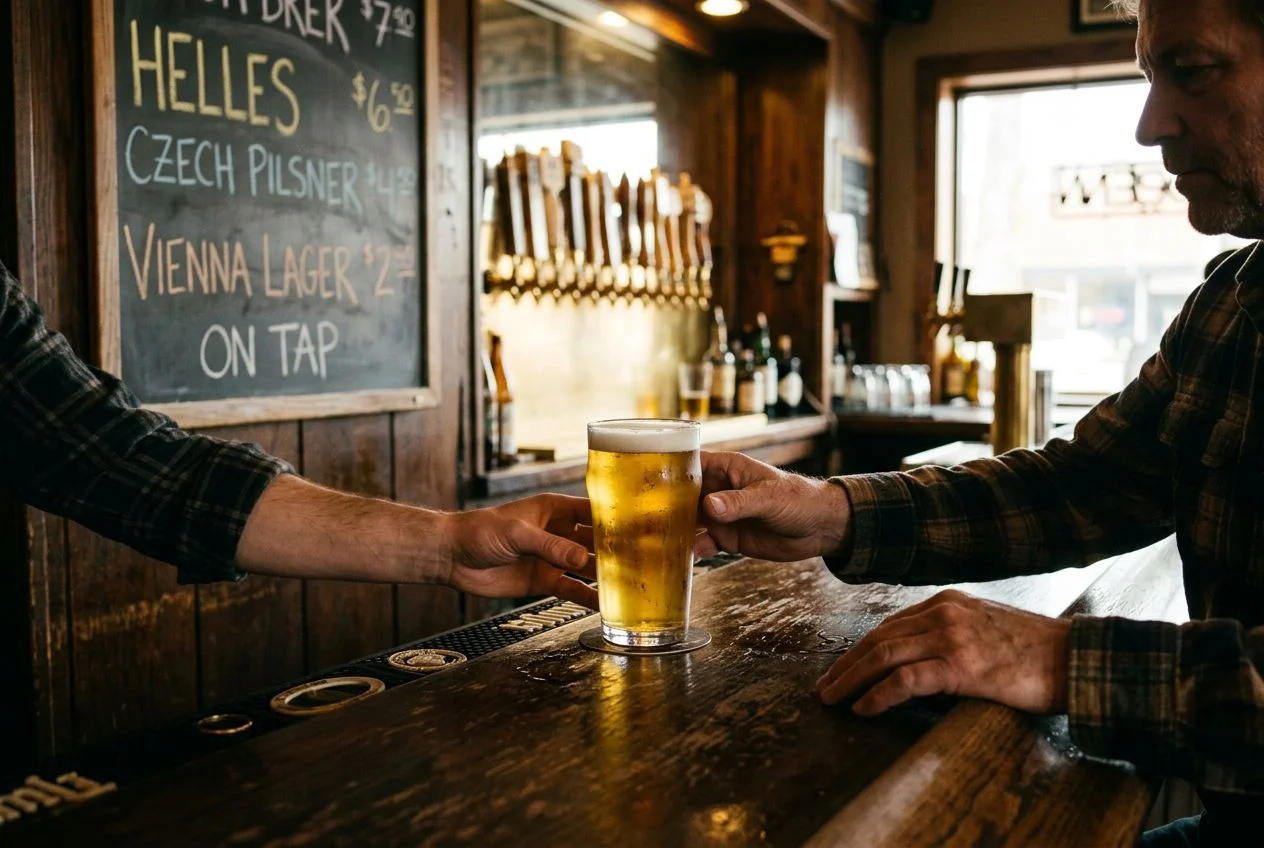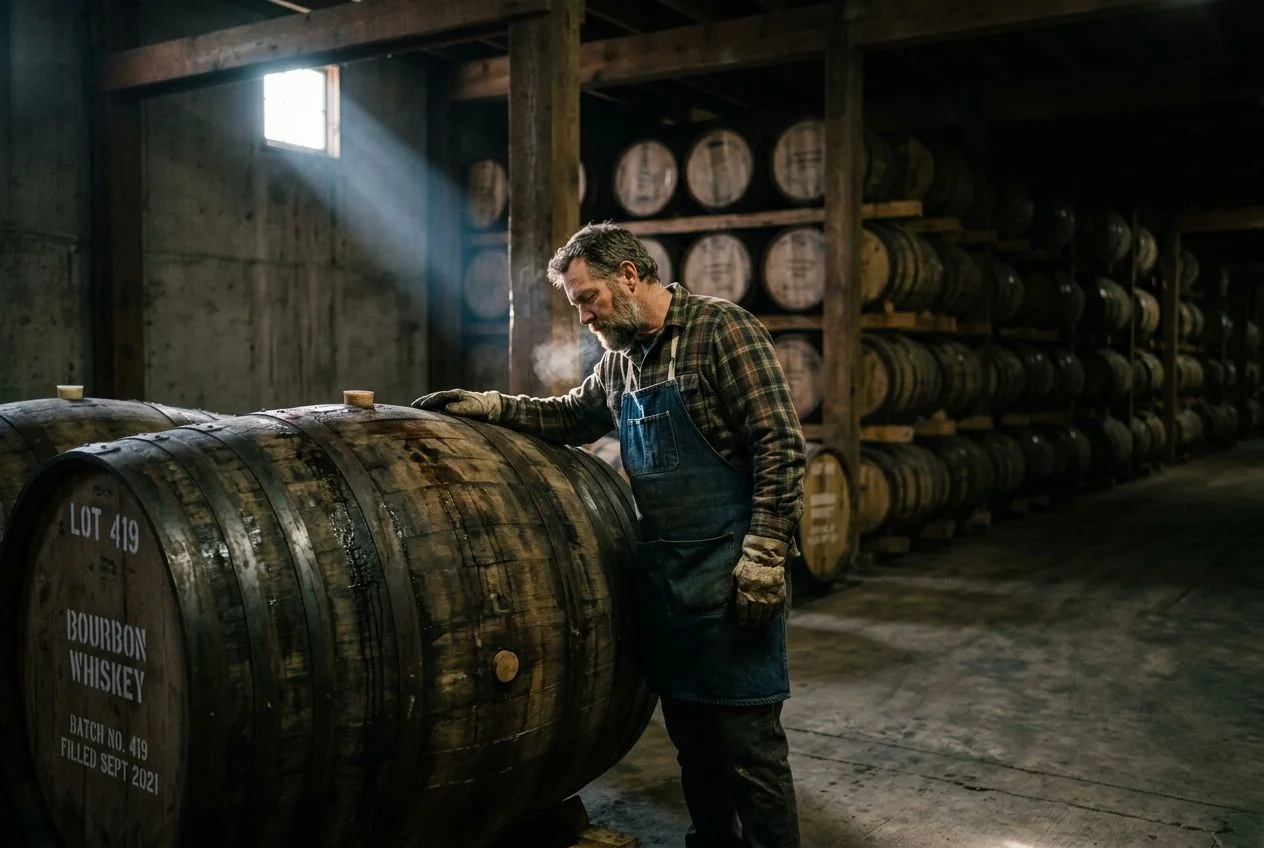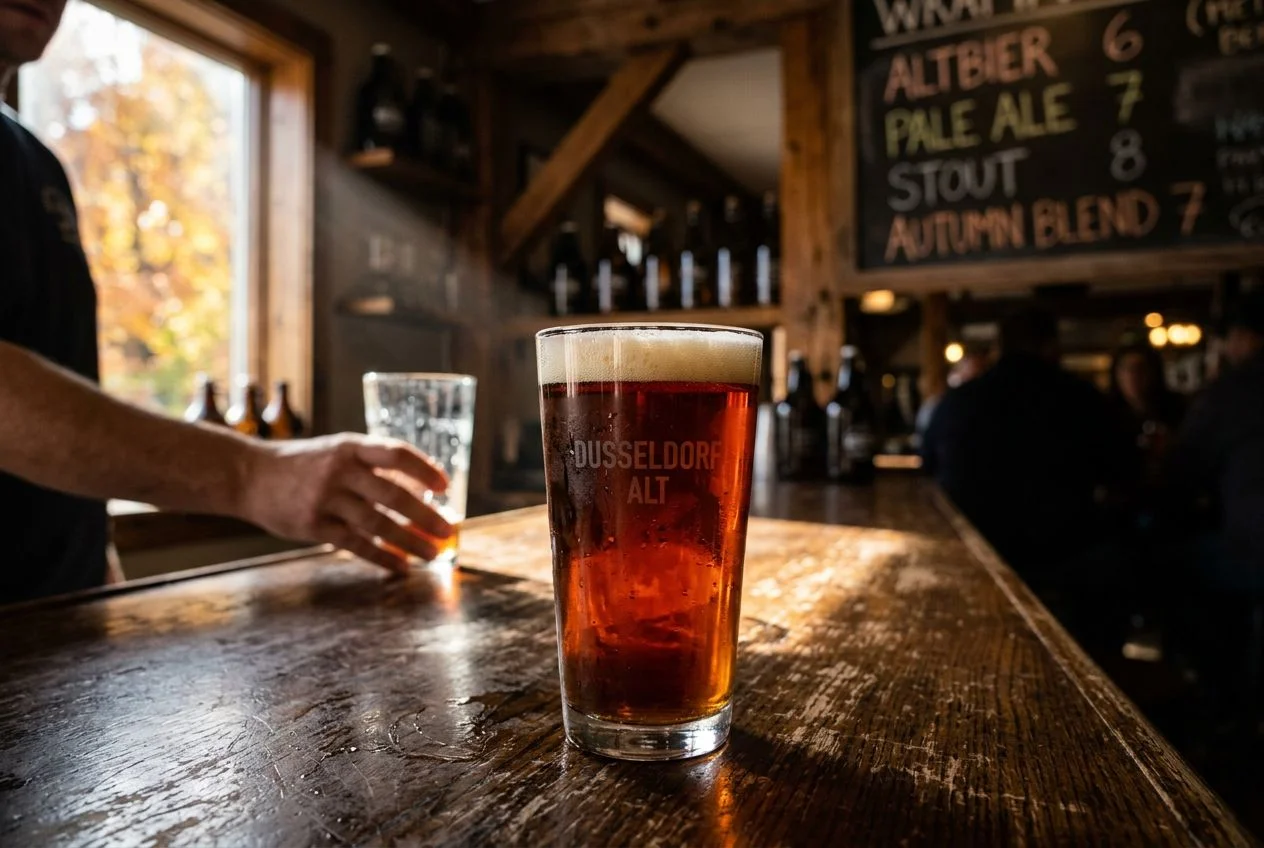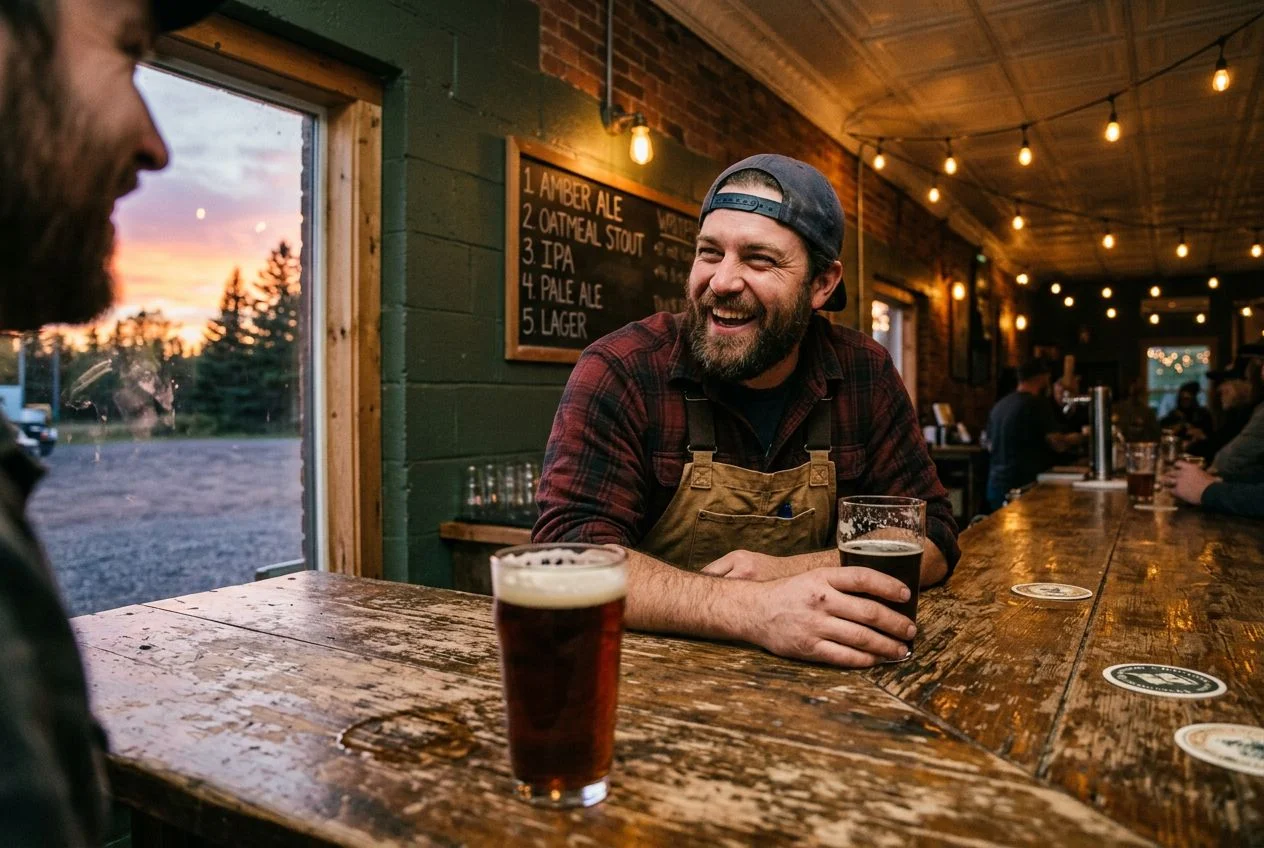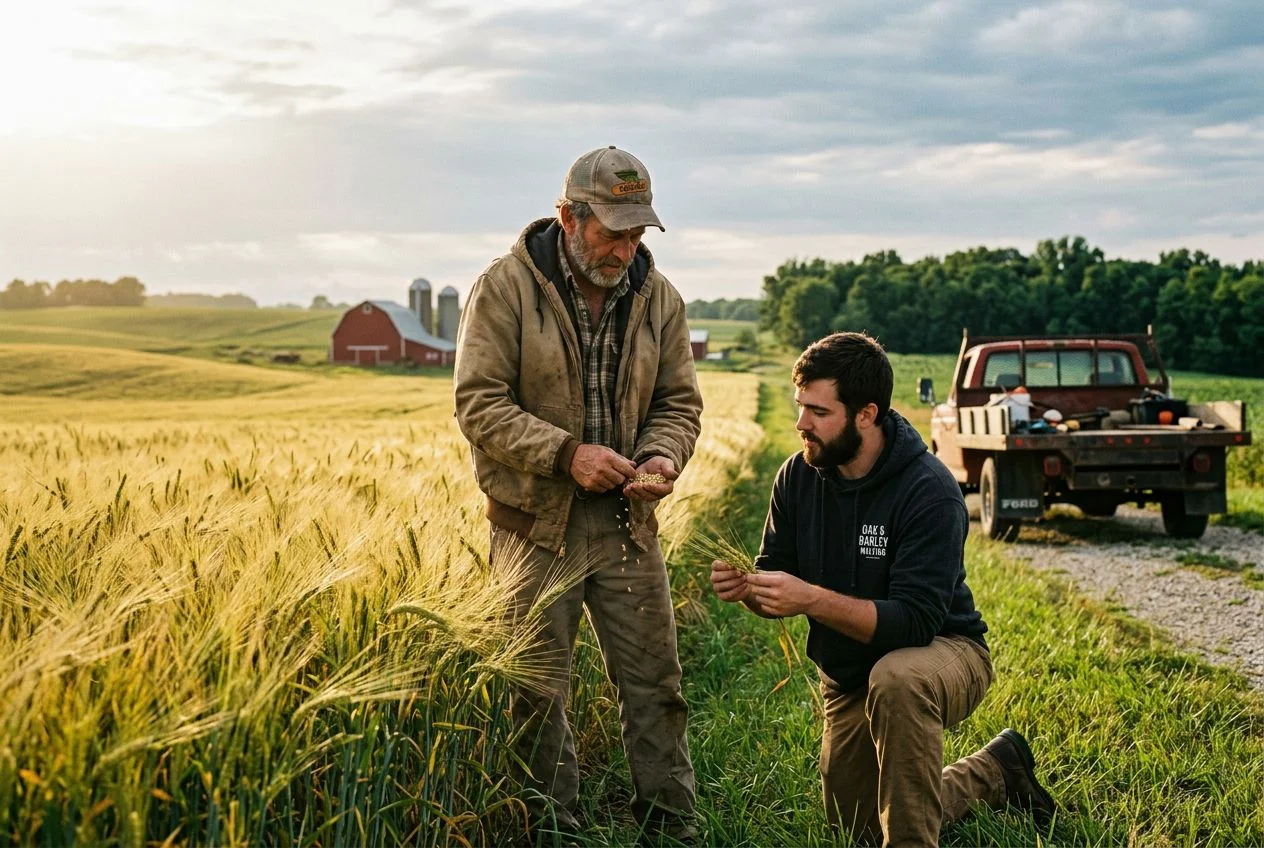

Every December 10, beer lovers across America raise their glasses for National Lager Day—and there’s never been a better time to join the celebration. While hop-forward IPAs still grab headlines, lagers are experiencing a remarkable renaissance, growing at 7.5% annually as drinkers rediscover what brewers have always known: making a great lager is brewing’s ultimate test of skill. German immigrants brought their centuries-old techniques across the Atlantic in the 1840s, transforming Midwest cities into brewing powerhouses. Today’s craft brewers are honoring that legacy while proving American lagers can stand proudly alongside the best European originals.
- History of Lager Beer in America: German Immigration and Brewing Heritage
- Lager Brewing Process: Fermentation Temperature Control and Techniques
- Lager Styles Guide: Light Lager vs Dark Lager and Everything Between
- Best Midwest Lager Breweries: Where to Find Quality Craft Lagers
- How to Brew Lager Beer at Home: Recipes and Temperature Control
- Lager and Food Pairing: Complete Guide to Perfect Matches
- Why Craft Lagers Are Growing: Popularity and Market Trends
- National Lager Day Celebration: Ideas and Best Serving Temperatures
- Lager Beer FAQ: Common Questions About Brewing and Styles
- Conclusion
- References
History of Lager Beer in America: German Immigration and Brewing Heritage
Between 1820 and 1900, over 5 million German immigrants brought bottom-fermenting lager yeast to America. After steamships shortened travel times in the 1830s, brewers could reliably transport yeast cultures across the Atlantic.
John Wagner brewed America’s first lager in Philadelphia in 1840. The style spread rapidly through German settlement cities: Milwaukee’s Philip Best brewery (later Pabst) started around 1850, St. Louis’s Lemp Brewery opened in 1840, Cincinnati’s Bavarian Brewery produced lager in 1846, and Chicago brewers launched in 1847.
In 1860, lager represented one-fourth of U.S. beer production. By 1900, it comprised 90%.[1] Per capita consumption quadrupled from 5 to 20 gallons between 1870-1910. By 1880, German immigrants operated over 80% of American breweries.
Brewing legends emerged: Adolphus Busch created refrigerated freight cars for nationwide distribution, surpassing 1 million barrels by 1901. Frederick Pabst trademarked Pabst Blue Ribbon in 1900. Joseph Schlitz delivered free beer to Chicago Fire survivors in 1871. These pioneers established the Midwest as America’s brewing heartland.
Lager Brewing Process: Fermentation Temperature Control and Techniques

Lagers use bottom-fermenting yeast (Saccharomyces pastorianus) at 45-55°F—colder than ale’s 60-75°F. Cold fermentation creates lager’s clean, crisp character by preventing fruity esters and spicy phenols.
Scientists discovered in 2011 that lager yeast is a natural hybrid with 50% more genetic information than ale yeast,[2] optimized for cold fermentation. The timeline demands patience: primary fermentation (2-3 weeks at 48-55°F), diacetyl rest (2-3 days at 60-68°F), and lagering (4-8 weeks at 32-36°F). During cold conditioning—from German “lager” meaning “to store”—proteins precipitate, sulfur dissipates, and flavors smooth.
Popular strains include W-34/70 (world’s workhorse), WLP800 (Czech styles), and WLP838 (Oktoberfest). This complexity explains why brewers consider lagers the ultimate test—lager’s clean profile exposes every flaw.
Lager Styles Guide: Light Lager vs Dark Lager and Everything Between

The Beer Judge Certification Program recognizes nine major lager categories with dozens of substyles,[3] from delicate Leichtbier to massive Doppelbock.
Czech Pilsner Lager: The Original Bohemian Pilsner Beer Guide
Created in Plzeň in 1842, Czech Pilsner balances rich, bready malt with spicy Saaz hops at 4.2-5.4% ABV and 30-45 IBUs. Pilsner Urquell showcases soft Bohemian water with notes of bread crust, honey, and floral spice.
German Pilsner Style: Crisp German Lager Brewing Tradition
Harder German water creates drier, crisper beer with assertive bitterness (22-40 IBUs). Bitburger and Warsteiner exemplify northern German precision.
Munich Helles: Classic Bavarian Lager Beer Style
Spaten’s 1894 creation emphasizes malt—soft and gently malty with balanced hops (16-22 IBUs). Weihenstephaner Original demonstrates elegant restraint.
Vienna Lager Beer: Amber Lager Profile and History
Dreher’s 1841 innovation features toasty bread, toffee, and hazelnut at 4.7-5.5% ABV. Surviving through Mexican brands (Dos Equis, Negra Modelo), American craft brewers now embrace it.
Märzen and Oktoberfest Lager: Seasonal Beer Styles
Bavaria’s summer brewing ban led to stronger March beers (5.8-6.3% ABV) for warm-month storage. The 2024 GABF saw 210 Oktoberfest entries—fourth most-entered category.
Dark Lager Styles: Dunkel and Schwarzbier Comparison
Munich Dunkel offers toasty character at 4.5-5.6% ABV without roasted bitterness. Schwarzbier provides subtle roast with pilsner-like crispness.
Strong Lager Beers: Bock, Doppelbock, and Eisbock Styles
Doppelbock (7-10% ABV) evolved from monks’ “liquid bread”—rich and smooth with names ending in “-ator.” Maibock offers lighter interpretation (6.3-7.4% ABV), while Eisbock concentrates flavors through freezing (9-14% ABV).
This diversity reveals lager’s true range—from refreshing 4% Helles to contemplative 14% Eisbock, from delicate pilsner to robust Doppelbock, each style demanding its own technical approach and offering distinct sensory rewards.
Best Midwest Lager Breweries: Where to Find Quality Craft Lagers

Midwest breweries now produce world-class lagers rivaling European originals. August Schell (New Ulm, Minnesota) has brewed lager since 1860—Minnesota’s oldest brewery. KC Bier Co. (Kansas City) brings Munich-trained expertise, earning GABF gold for their Dunkel. Metropolitan Brewing (Chicago) exclusively brews lagers. Hopewell (Chicago) operates from the historic Ambrosia Brewery building. Arbeiter (Minneapolis) honors German beer hall tradition. Urban Chestnut (St. Louis) bridges tradition and innovation. Dovetail (Chicago) features a traditional malt floor. These breweries share temperature-controlled cellars, extended timelines, and German brewing science respect.
How to Brew Lager Beer at Home: Recipes and Temperature Control
Home brewers find lagers demanding but rewarding—the challenge is maintaining precise temperatures for 8-12 weeks. A used refrigerator or chest freezer ($50-$200) plus temperature controller ($22-$50) and thermowell ($15-$30) provides needed control.
A classic Munich Helles needs just German Pilsner malt, Hallertauer Mittelfruh hops, and W-34/70 yeast. Excellence comes from execution: 90-minute boils, fermentation at 50-52°F, diacetyl rest at 65°F for 2-3 days, and lagering at 35°F for 4-6 weeks.
Double your ale yeast pitch rate—cold temperatures require more cells. Start fermentation at 48-50°F, gradually increasing to 50-52°F. At 75% completion, raise to 60-68°F for 2-3 days (diacetyl rest). True lagering requires 4-8 weeks at 32-36°F for proteins to precipitate, sulfur to dissipate, and flavors to smooth.
Common problems: diacetyl (perform diacetyl rest, pitch adequate yeast), DMS (90-minute boil), estery flavors (ferment colder, more yeast), haze (longer lagering). Lagers expose every mistake—excellent learning tools.
Lager and Food Pairing: Complete Guide to Perfect Matches
Lagers excel at food pairing with clean profiles that enhance meals without overwhelming. High carbonation cleanses the palate and cuts fat. Pilsners complement seafood, spicy foods, and fried dishes. Vienna lagers enhance grilled meats and Mexican cuisine. Dark lagers match mushroom dishes, mole, and chocolate. Bocks pair with rich desserts and aged cheeses. Lager’s clean profile and carbonation work across diverse cuisines.
Why Craft Lagers Are Growing: Popularity and Market Trends
As Rogue Brewmaster John Maier notes: “Lagers take more skill to brew so this is a perfect beer style to test technical acumen—and patience.” Clean fermentation exposes every flaw.
After chasing extremes for a decade, craft culture is rediscovering sophistication through balance. While U.S. craft brewers produced 23.1 million barrels in 2024 (down 4%), lager categories showed impressive growth.[4] The 2024 GABF saw Italian-Style Pilsner attract 83 debut entries, while Oktoberfest drew 210 entries. Younger drinkers (21-35, 48.6% of craft market) seek sessionable, balanced lagers. The 40-54 segment grows 6.8% annually toward quality over extremes.
National Lager Day Celebration: Ideas and Best Serving Temperatures
December 10 offers opportunity to explore lager diversity. Visit breweries offering flights, host home tastings comparing styles, or share discoveries using #NationalLagerDay. For brewers, start a lager in early December for spring enjoyment.
Serving temperature matters: light lagers/pilsners (38-45°F), Vienna lagers (40-48°F), dark lagers (45-50°F), Bocks/Doppelbocks (45-55°F).[5] Don’t serve quality lagers ice cold (below 44°F)—cold numbs taste buds and masks subtle flavors.
Lager Beer FAQ: Common Questions About Brewing and Styles

When is National Lager Day?
December 10 annually. Origins undocumented, but celebrations since 2010 include brewery visits, tastings, and #NationalLagerDay social media posts.
What are lager vs ale differences?
Lagers use bottom-fermenting yeast at 45-55°F, taking 8-12 weeks for clean, crisp flavors. Ales use top-fermenting yeast at 60-75°F, creating fruitier flavors in 2-3 weeks.
Why do lagers take longer?
Cold temperatures slow yeast, extending fermentation to 2-3 weeks. Cold conditioning (lagering) at 32-36°F for 4-8 weeks develops smoothness and clarity.
Czech vs German pilsner differences?
Czech Pilsner: maltier, rounder, soft water, Saaz hops (30-45 IBUs). German Pilsner: drier, crisper, harder water, more bitter (22-40 IBUs).
Best Midwest lager breweries?
August Schell (New Ulm, MN), KC Bier Co. (Kansas City), Metropolitan Brewing (Chicago), Hopewell (Chicago), Arbeiter (Minneapolis), Urban Chestnut (St. Louis), Dovetail (Chicago).
Home brewing equipment needed?
Used refrigerator or chest freezer ($50-$200), temperature controller ($22-$50), thermowell ($15-$30) for monitoring beer temperature during fermentation.
Proper lager serving temperatures?
Light lagers/pilsners: 38-45°F. Vienna lagers: 40-48°F. Dark lagers: 45-50°F. Bocks/Doppelbocks: 45-55°F. Never below 44°F for craft lagers—cold numbs taste buds.
Best lager food pairings?
Pilsners: seafood, spicy foods, fried dishes. Vienna lagers: grilled meats, Mexican cuisine. Dark lagers: mushrooms, mole, chocolate. Bocks: rich desserts, aged cheeses.
Conclusion
National Lager Day arrives as craft beer faces contraction—yet lagers grow strongly, revealing where tastes are heading. German immigrants who arrived in the 1840s couldn’t have imagined American brewers would honor their traditions 200 years later.
What drives this renaissance? Brewers recognize clean lagers require exceptional precision. It’s also cultural—after chasing extremes, brewers and drinkers rediscover beauty in balance, sessionability, and food-friendly versatility.
Whether exploring Czech Pilsner’s complexity, Munich Helles’s elegance, dark lager drinkability, or Doppelbock’s smoothness, lagers offer rewards aggressive styles can’t match.
This December 10, pour a proper pilsner at the right temperature and raise your glass. Toast the immigrants who brought these traditions, the craft brewers innovating, and the truth that sometimes the hardest beers taste effortlessly refreshing. Lager isn’t regression—it’s craft beer coming of age.
Prost!
References
- Stack, Martin H. “A Concise History of America’s Brewing Industry” – EH.Net Encyclopedia.
- Libkind, Diego, et al. “Microbe domestication and the identification of the wild genetic stock of lager-brewing yeast” – Proceedings of the National Academy of Sciences, https://www.pnas.org/content/108/35/14539
- Beer Judge Certification Program – 2021 Style Guidelines,https://www.bjcp.org/style/2021/
- Brewers Association – 2024 Craft Beer Market Data and Annual Report, https://www.brewersassociation.org/statistics-and-data/
- Cicerone Certification Program – Beer Serving Temperature Guide