Table of contents
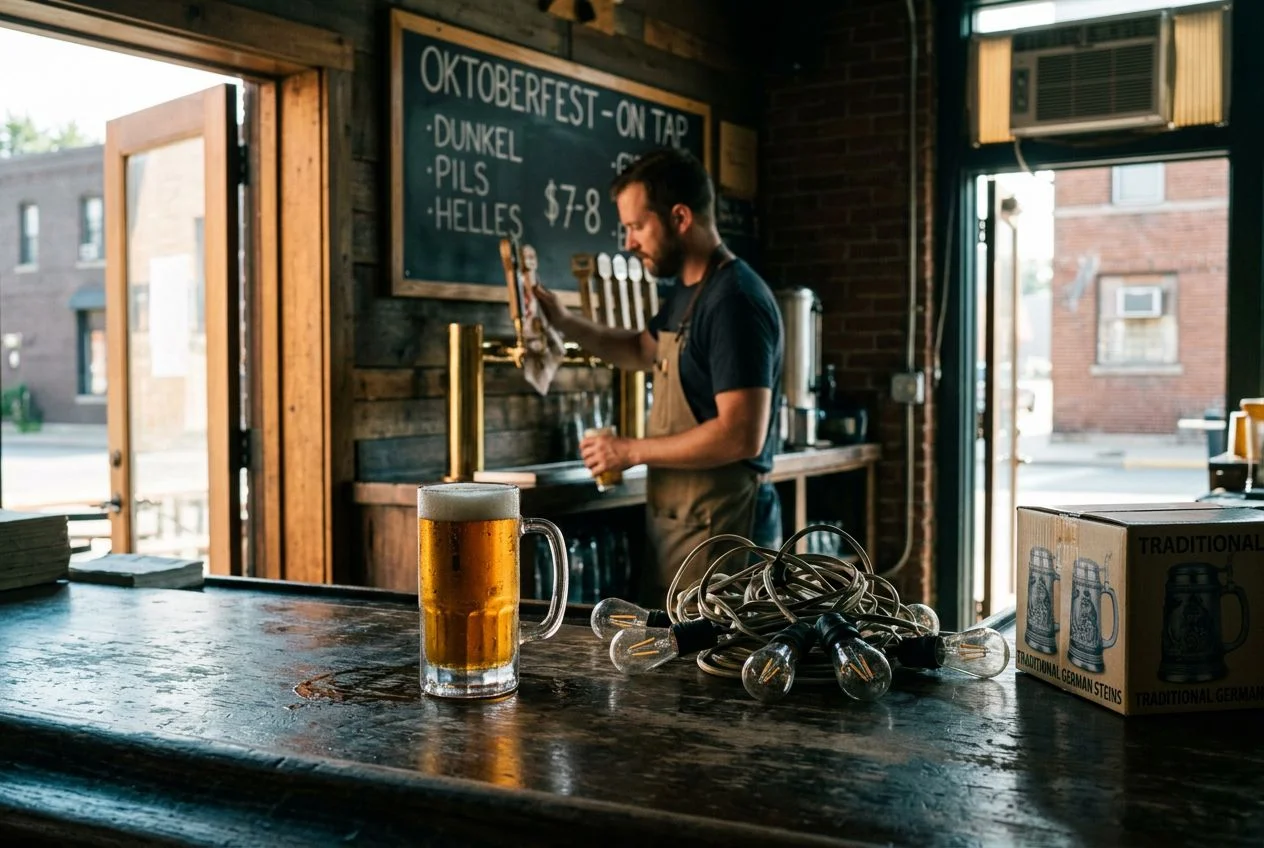
The first sign that Oktoberfest season has crept earlier into the calendar isn’t a leaf turning or a chill in the air. It’s a brewery taproom in late July, hanging string lights and stacking up liter steins while the thermometer outside still reads 88 degrees.
That’s the reality across the Midwest every summer now. Oktoberfest — the beer, the festival, the whole lederhosen-and-pretzels ritual — has stretched from a two-week window into a rolling, months-long season. And by the time this article publishes, the 2026 calendar is already filling up with events from Minnesota to Ohio.
So what does Oktoberfest in the Midwest 2026 actually look like so far? The short answer: earlier, bigger, and more crowded than ever. The longer answer involves a real style question — is the beer in your glass a true German-style Märzen, or something a brewery just decided to call Oktoberfest? It also involves a festival landscape that’s grown from a handful of big events into dozens of small-town celebrations.
Here’s where things stand.
Why Oktoberfest Midwest 2026 Starts in August
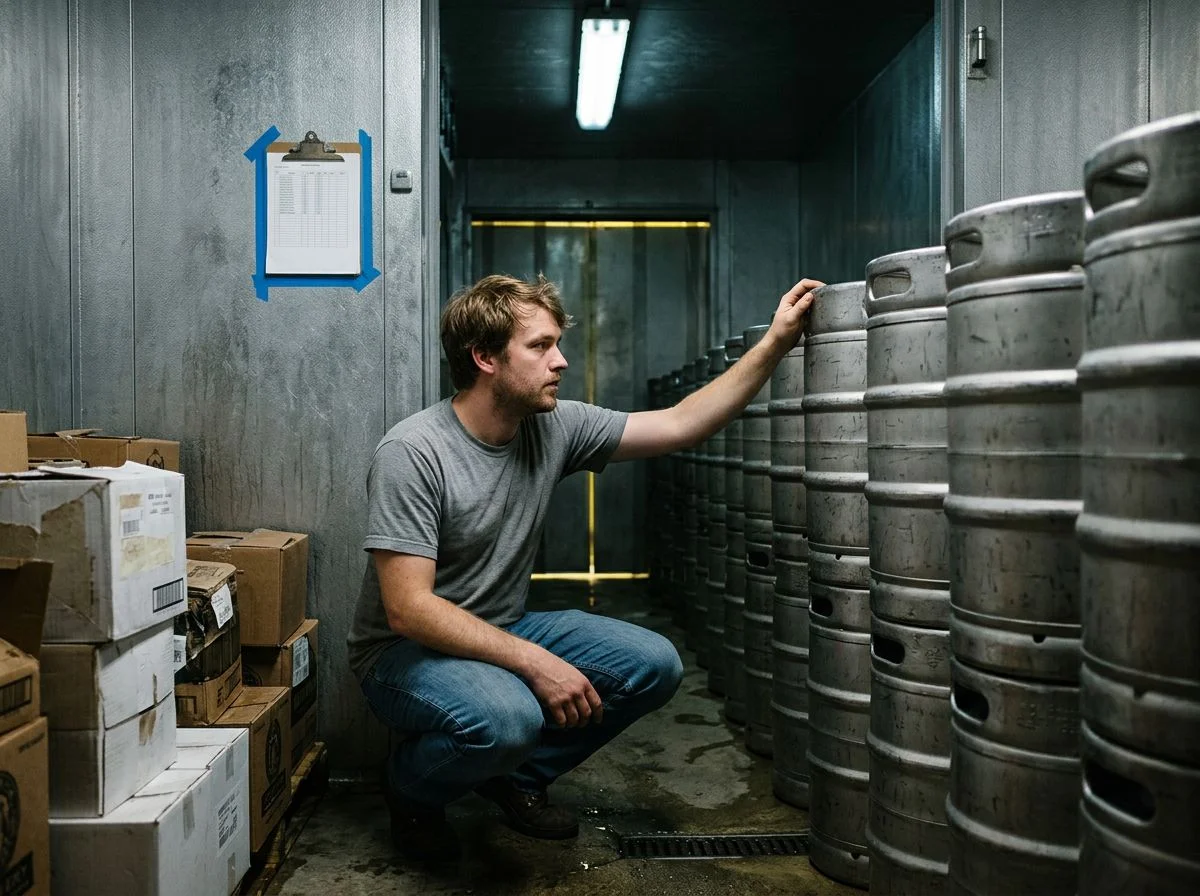
Oktoberfest has never really been about October. The original Munich festival dates to 1810. It traditionally runs from mid-September into the first weekend of October. The beer brewed for it — a malty, amber lager called Märzen — was historically brewed in March (Märzen means “March” in German) and lagered through the summer so it would be ready by fall.
Midwest breweries picked up that tradition and then bent it to fit their own business reality. Fall is a crowded season for taproom traffic. If a brewery waits until late September to release its Oktoberfest, it’s competing with every other brewery doing the same thing at the same time. Releasing in August means the beer gets a head start. It also gives the taproom a reason to draw people in during what’s often a slow stretch.
That timing has consequences. A Märzen needs weeks of cold lagering to hit the clean, toasty profile the style is known for. Push the release date too early and you’ve got two options. You either brew it in June — doable, but tight — or you cut the lagering short. Cut it short and you end up with something closer to a malty amber ale than a true Märzen. Plenty of Midwest breweries have made peace with that tradeoff. Others haven’t.
The result is that “Oktoberfest” on a menu in the Midwest now means one of two things: a traditional German-style lager, or a brewery’s own take on the season. Both can be good. They’re just not the same beer. And knowing the difference matters if you’re the kind of drinker who wants to taste what the style actually does.
What Beer Pours at Oktoberfest Midwest 2026

There’s a quiet argument happening in Midwest taprooms right now. It’s about which German style deserves the Oktoberfest label.
Traditionalists point to Märzen: a malt-forward lager, usually in the 5.5 to 6.5 percent ABV range, with a color somewhere between amber and copper. Think toasted bread crust, a little caramel, a clean dry finish. It’s the beer most Americans picture when they hear “Oktoberfest.”
But the beer actually poured at the modern Munich festival is closer to what Germans call Festbier. That’s a lighter, paler, more drinkable lager, often around 6 percent ABV, designed to be consumed by the liter. It’s less malty, more crisp, and honestly easier to drink three of.
Midwest breweries split on which one to brew. Some, like those with deep German heritage roots in Wisconsin and Minnesota, lean into the maltier Märzen. Others have moved toward Festbier. Part of that is because it’s more approachable for a taproom crowd that isn’t necessarily there for a history lesson.
Then there’s the third category: breweries that put “Oktoberfest” on a beer that isn’t really either style. Sometimes it’s a spiced amber ale. Sometimes it’s a barrel-aged something-or-other. Sometimes it’s just a fall seasonal with a German name slapped on the label. That’s not necessarily a crime — Midwest brewing has always been about local interpretation. But it does mean the word “Oktoberfest” on a tap list is less a style guarantee than a vibe.
For drinkers trying to sort it out, the practical move is to look for the style name on the label or menu. If it says “Märzen” or “Festbier,” you know what you’re getting. If it just says “Oktoberfest,” ask the bartender. Most will happily tell you — and most will respect the question.
Small-Town Saturdays and Big Bavarian Blowouts
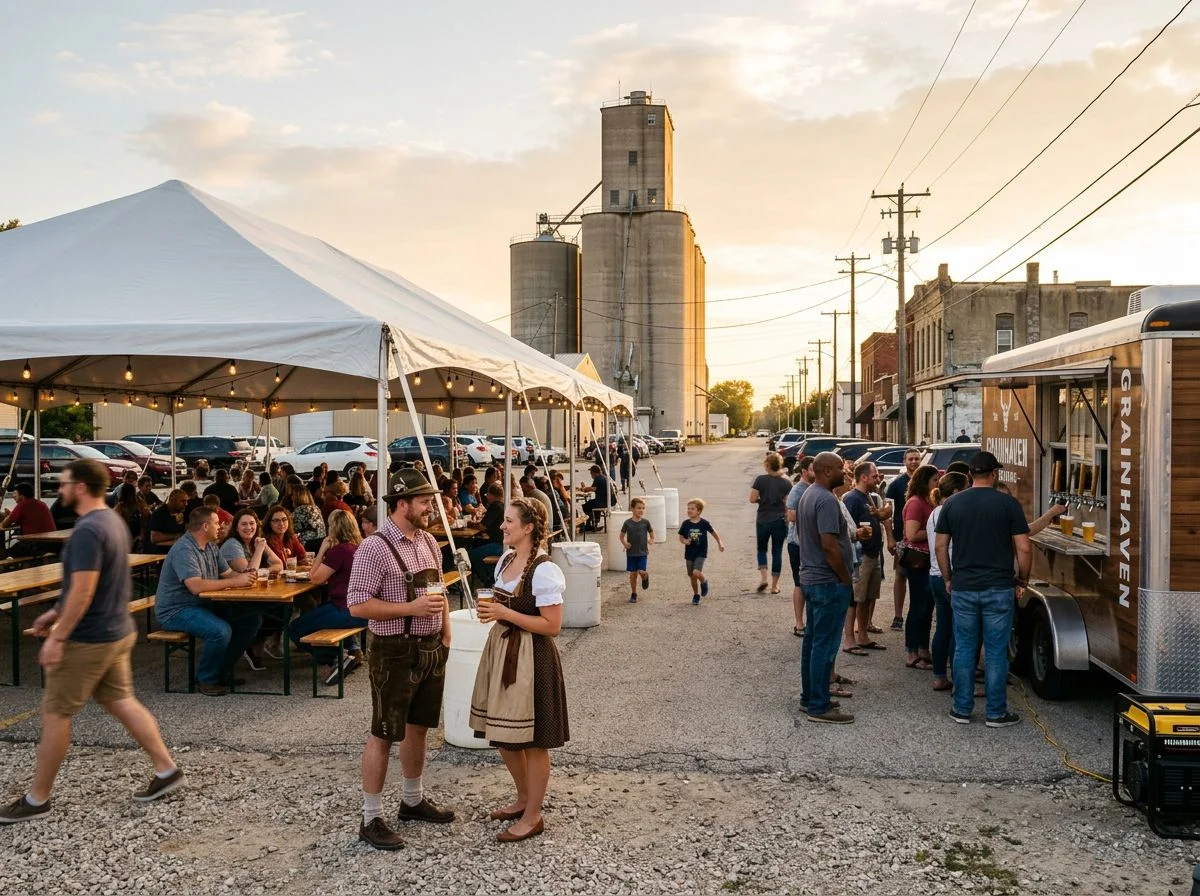
The festival side of Oktoberfest in the Midwest 2026 is where the growth is most visible.
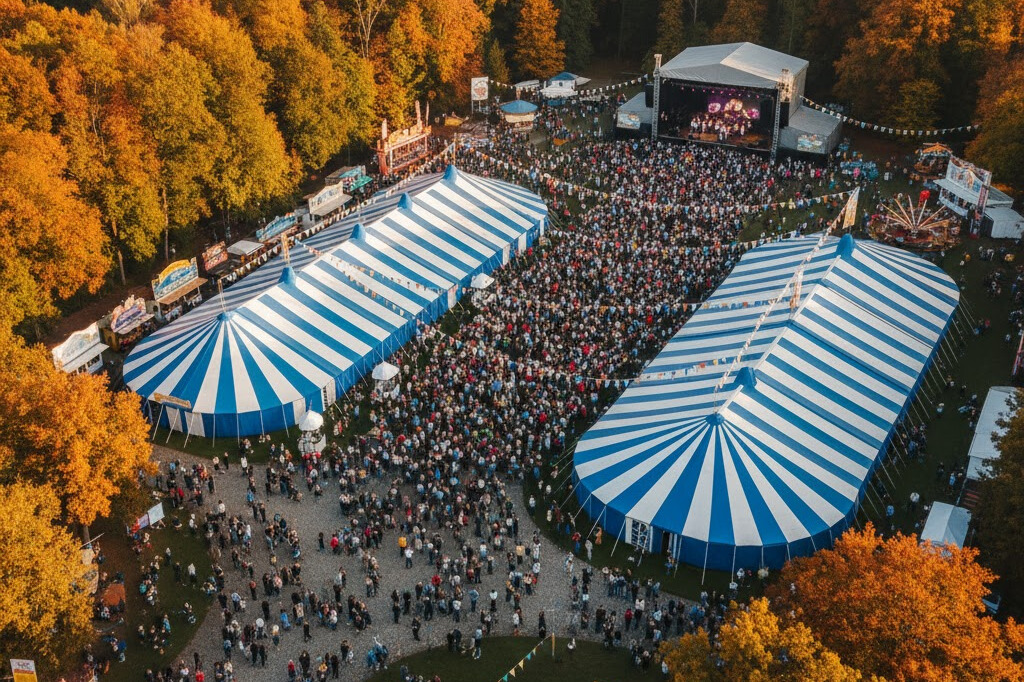
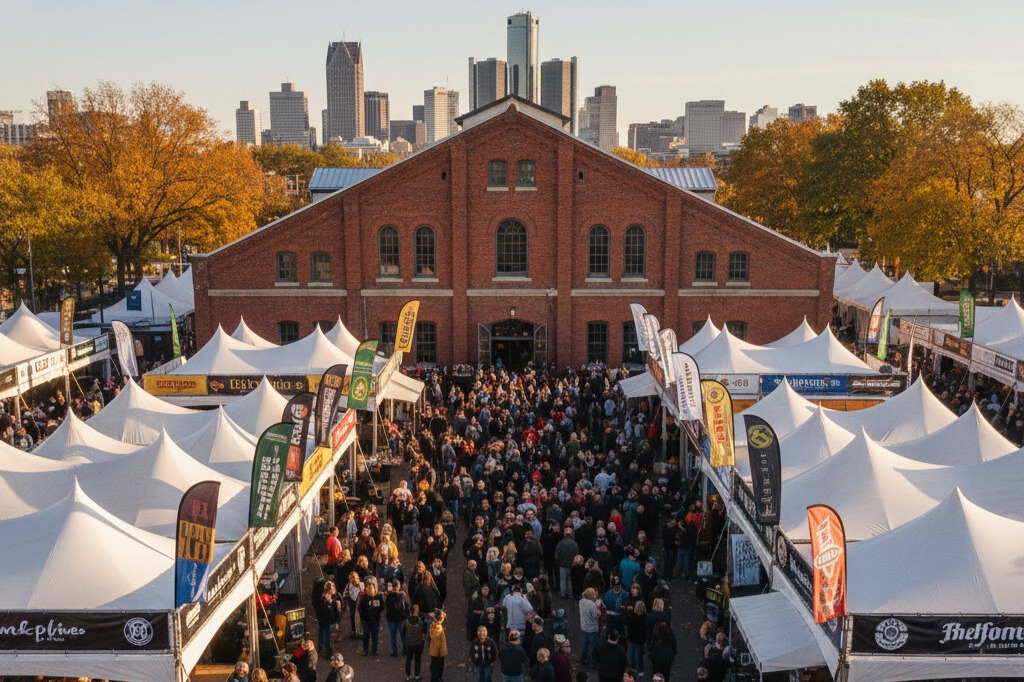
The big, established events — the ones that have been running for decades — are still the anchors. Oktoberfest Zinzinnati in Cincinnati bills itself as the largest Oktoberfest celebration in the United States. It typically draws hundreds of thousands of people over a weekend in September. It’s a full-scale production: multiple stages, a running of the weiner dogs, and enough bratwurst to raise questions about supply chains. The 2026 edition is expected to follow the same playbook, though exact dates and lineup details firm up closer to summer.
Then there’s the tier below. These are regional festivals in places like La Crosse, Wisconsin; New Ulm, Minnesota; and Frankenmuth, Michigan. These are towns with real German heritage, where Oktoberfest isn’t a marketing theme. It’s a continuation of something that’s been happening for generations. New Ulm’s celebration, for example, has been a fixture since the 1980s and leans heavily on the town’s German founding history. These festivals tend to be smaller, cheaper, and more locally rooted than the big-city versions.
And then there’s the newest layer: brewery-hosted Oktoberfests. This is where a lot of the 2026 activity is happening. Taprooms that five years ago just released a seasonal beer now throw full festivals — tents in the parking lot, a polka band, food trucks doing schnitzel and pretzels, stein-holding contests. It’s a lower-stakes way to experience Oktoberfest without fighting a crowd of 500,000 people. It’s also become a meaningful revenue driver for breweries looking to extend their busy season.
The tradeoff is authenticity. A brewery Oktoberfest is a brewery Oktoberfest — it’s not Munich, and it’s not trying to be. But for a lot of Midwest drinkers, that’s the point. You can bring your dog, you can park for free, and you can actually hear the band.
How Brewers Pay for a Longer Oktoberfest

There’s a business story underneath all of this, and it’s worth naming.
Oktoberfest season — broadly defined as August through October — has become one of the most important revenue windows of the year for Midwest breweries. Summer patio season is great, but it’s crowded with competition from every other taproom, every golf course, every backyard barbecue. By late August, the novelty of summer has worn off. People are looking for a reason to go out again. Oktoberfest gives them one.
For breweries, that means the fall seasonal isn’t just a beer. It’s an anchor for the whole quarter. A well-executed Oktoberfest release can drive taproom traffic, move cans off shelves, and give the brewery a reason to host events that generate their own revenue. It’s the kind of thing that shows up in cash flow projections, not just on a tap list.
The risk is oversaturation. When every brewery in a 20-mile radius releases an Oktoberfest within the same three-week window, the market gets crowded fast. Some breweries have responded by moving earlier — late July or early August releases that catch drinkers before the glut. Others have gone the opposite direction, holding their release until mid-September to stand out when the initial wave has passed.
Neither strategy is obviously right. It depends on the brewery’s size, its distribution footprint, and how much of its business comes from the taproom versus wholesale. A small nano-brewery with a loyal local following can release whenever it wants. A regional brewery with grocery store accounts has to think about shelf space and distributor timing. That pushes everything earlier.
Where Should You Go First This Fall
If the goal is to have a good Oktoberfest season in the Midwest in 2026, a few practical things help.
First, decide what you’re actually looking for. If you want the full festival experience — the crowds, the oompah bands, the communal tables — the big events like Zinzinnati are worth the trip. Just go in knowing what you’re signing up for. If you want something quieter and more local, the brewery-hosted Oktoberfests and small-town celebrations are often the better bet.
Second, pay attention to the beer style. A Märzen and a Festbier are different drinking experiences. Knowing which one you prefer makes it easier to pick a brewery to visit. If a menu just says “Oktoberfest,” it’s fair to ask.
Third, book early. The most popular festivals and the most anticipated beer releases both tend to sell out or fill up. Hotel rooms near the big events go fast. Limited-release Oktoberfest cans sometimes don’t make it past the first weekend.
And fourth, remember that the season is long now. There’s no single weekend that defines Oktoberfest in the Midwest anymore. If you miss one event, there’s another one the following Saturday. The beer will still be there.
What This Season Means for Midwest Brewers
Oktoberfest in the Midwest 2026 is bigger, earlier, and more varied than it’s ever been. The beer ranges from faithful Märzen to loose interpretations. The festivals range from half-a-million-person blowouts to a parking lot with a polka band. And the season now stretches across nearly a third of the year.
That’s a lot of ground to cover. But it also means there’s an Oktoberfest for almost anyone. There’s the traditionalist who wants a proper German lager, the casual drinker who just wants a stein and a pretzel, and the road-tripper looking for a small-town Saturday that feels like it’s been happening for a hundred years.
The season’s already started. It’s just a matter of picking a weekend.