
Picture this: It’s 5 p.m. and already pitch black outside. The thermometer reads well below zero. You’re bundled up against another brutal Midwest winter. What sounds perfect right now? A rich, warming beer that wraps around you like a blanket.
That’s exactly what winter warmers and spiced ales deliver. These aren’t your light summer lagers. We’re talking about full-bodied, malty beers designed specifically for cold weather. The Midwest has become ground zero for these seasonal brews, with more than 50 breweries across the region crafting everything from sessionable 6% ABV warmers to bold 14%+ imperial stouts.
This guide walks you through the best winter beers the Midwest offers for the 2025-2026 season. You’ll discover different beer styles, learn about standout breweries, and get practical tips on finding and enjoying these limited-time treasures.
- Understanding Winter Warmer Beer Styles: Winter Ale vs Winter Lager
- Best Winter Beers Midwest: Craft Beer Winter Releases by State
- Winter Beer Tasting Guide: Where to Buy Winter Warmers and Pairing Tips
- Midwest Winter Seasonal Beers: Festival Events and Release Calendars
- Your Complete Midwest Craft Brewery Guide to Winter Beer Excellence
- References
Understanding Winter Warmer Beer Styles: Winter Ale vs Winter Lager
Winter beers have deep roots. They come from English brewing traditions where stronger, maltier ales helped people survive harsh winters. American craft breweries took this concept and ran with it. They added bold spices, experimented with barrel aging, and incorporated local ingredients.
Today, you’ll find several distinct styles on winter beer shelves. Some focus purely on malt character. Others burst with holiday spices. Some age in bourbon barrels, while others follow traditional German brewing methods. Knowing the difference between a winter ale and a winter lager helps you pick the right beer for your taste. Understanding typical ABV levels lets you plan your evening accordingly.
Traditional Winter Warmer: Malty Beer with Winter Warmer ABV Levels
Traditional winter warmers let the malt do the talking. These beers skip the spices and focus on rich, complex malt flavors. According to the Beer Judge Certification Program (BJCP) Style 19A guidelines, these Old Ales typically hit 6-9% ABV with plenty of caramel and toffee notes[1]. The old English approach involved brewing these in October, then letting them age through winter.
Bell’s Christmas Ale shows how good this style can be. At 7.5% ABV, it uses 100% Michigan-grown barley and absolutely no spices[2]. All those flavors—the caramel, toffee, and biscuit notes—come purely from the malt. Summit Brewing Winter Ale has stuck with its recipe since 1987, delivering nutty, roasted malt character at 6.2% ABV[3]. Many people swear they taste cinnamon, but there isn’t any. That’s just great malt at work.
Boulevard Nutcracker Ale takes a similar approach. It combines pale malt, Munich malt, and brown sugar for complexity without adding any spices. The beer has spread to 41 states, making it one of the most accessible winter warmers from the Midwest.
Spiced Ale and Holiday Beer: Best Holiday Beers Midwest Traditions

Here’s where American brewers really made their mark. Spiced ales are a distinctly American creation. These beers pack in holiday spices—think cinnamon, ginger, nutmeg, and honey—on top of a solid malt foundation. Most range from 6-9% ABV. Anchor Our Special Ale kicked off this tradition back in 1975, and it’s been growing ever since.
Great Lakes Christmas Ale sets the gold standard. Since 1992, they’ve used the same recipe: 20 pounds of fresh ginger and 20 pounds of cinnamon sticks per batch[4]. At 7.5% ABV, this beer has won six World Beer Championships medals. Every year on October 17th, the brewery hosts a “First Pour” event that beer fans circle on their calendars. You can find it across 16 states through December.
Schlafly Christmas Ale from St. Louis brings its own take on the style. They blend honey, orange peel, and warming spices with British malts, creating an 8% ABV beer that’s become a Missouri holiday tradition[5]. It’s been going strong since the 1990s, pairing beautifully with everything from holiday roasts to aged cheeses.
Barrel-Aged Winter Beer: Top Winter Beers 2025 Artisan Selections
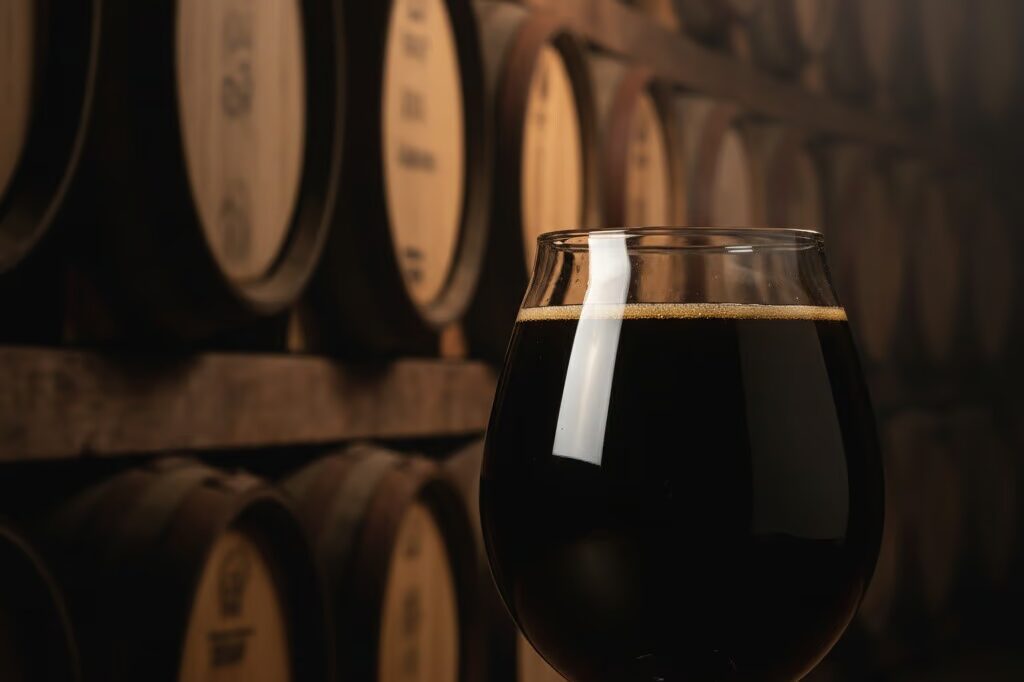
Welcome to the premium tier. These imperial stouts and barley wines spend time aging in bourbon or whiskey barrels. The result? Complex beers with layers of vanilla, oak, and dark fruit flavors. They typically clock in at 10-14%+ ABV—sipping beers for sure.
Goose Island Bourbon County Brand Stout basically invented this category back in 1992[6]. It put Chicago on the map as the place for barrel-aged innovation. The 2025 bottles go for over $30, and serious collectors snap up entire vintage series. This beer consistently tops “best winter beers” lists year after year.
Central Waters Bourbon Barrel Stout from Wisconsin delivers rich bourbon, chocolate, and vanilla notes at 12% ABV. Each November, Chicago hosts the Festival of Barrel Aged Beers (FoBAB), where you can sample limited releases from across the region[7]. It’s become the Super Bowl for barrel-aged beer fans.
German-Style Winter Lager: Cold Weather Craft Beer Traditions
Not all winter beers are ales. German-style doppelbocks and dark lagers offer something different. They’re clean-fermenting with rich malt sweetness, typically ranging from 7-10% ABV. The key difference? These beers undergo extended lagering that gives them a smoother, crisper character than winter ales.
Kansas City Bier Co. Winterbock does this style right. They use 100% imported German ingredients and cold-condition the beer for six weeks[8]. That dedication earned them a gold medal at the 2025 Missouri Beer Cup. Bell’s Consecrator Doppelbock brings Munich malt complexity at 8% ABV, showing how traditional European methods work beautifully for Midwest drinkers who want something different from the typical winter ale.
Best Winter Beers Midwest: Craft Beer Winter Releases by State
Each Midwest state brings something unique to winter brewing. Michigan pushes boundaries with barrel-aging. Wisconsin stays true to German techniques. Illinois dominates the bourbon barrel-aged stout scene. Minnesota blends tradition with bold experiments. Here’s what you need to know about standout breweries across the region.
Michigan leads with Bell’s Brewery, which ships its Christmas Ale to all 50 states. That makes their 7.5% ABV Scotch Ale one of the easiest winter warmers to find nationwide. Founders’ Dirty Bastard runs year-round at 8.5% ABV, but it really shines during winter months when you want something substantial.
Wisconsin showcases Lakefront Brewery‘s Holiday Spice. They make both a standard version and a barrel-aged variant. The barrel-aged version adds bourbon, oak, and vanilla on top of traditional spices. New Glarus keeps their winter beers Wisconsin-only, which makes them special for locals and worth the trip for beer tourists.
Ohio goes big with Cleveland’s annual Winter Warmer Fest. Beyond Great Lakes’ Christmas Ale, this February event features over 200 different winter beers[9]. It’s become a destination for anyone serious about winter beer.
Illinois reigns supreme in barrel-aged territory. Goose Island’s Bourbon County Brand Stout remains the category leader. Revolution Brewing takes a different approach with their Winter Saison, adding apricot to a Belgian-inspired base for people who want something lighter. Half Acre and 3 Floyds round out the scene with substantial porters and limited winter releases that sell out fast.
Indiana offers approachable options through Sun King Brewing in Indianapolis. They distribute widely across the city. Taxman Brewing goes the opposite direction, creating bourbon barrel-aged variants exclusively for their taproom. You have to visit to try them.
Minnesota delivers consistency with Summit’s Winter Ale, which has maintained quality for 38 years since 1986. Surly Brewing adds a charitable angle, donating $1 per 12-pack of Winterize to Second Harvest Heartland. Fulton Brewing and Schell’s Brewery honor Minnesota’s deep brewing heritage with their own takes on winter seasonals.
Missouri brings strong German influences through Schlafly’s multiple winter releases. Their flagship Christmas Ale and Coffee Stout (made with local Kaldi’s coffee) both rank as regional favorites. Boulevard’s Nutcracker Ale has expanded to 41 states. The new Missouri Beer Cup competition now recognizes excellence across winter beer categories.
Iowa, Kansas, and Nebraska contribute regional favorites. Lion Bridge Brewing represents Iowa at the State Fair’s Craft Beer Tent. Coralville hosts BrrrFest for cold-weather beer celebrations. Free State Brewing in Lawrence keeps Kansas traditions alive. Lucky Bucket in Nebraska offers their Snowsuit Winter Abbey Ale for Belgian-style winter beer fans.
Winter Beer Tasting Guide: Where to Buy Winter Warmers and Pairing Tips

Serving Temperature for Spiced Ale Flavor Profiles
Temperature makes a huge difference with winter beers. Serve barrel-aged beers at 50-55°F and traditional winter warmers at 45-50°F[10]. Too cold? You’ll miss all the subtle spice notes and malt complexity. Here’s a pro tip: pull your bottle from the fridge and let it sit for 10-15 minutes before pouring. Those extra degrees unlock so much more flavor.
Winter Beer Pairing Food: Seasonal Beer and Meal Combinations
Winter beers love winter food. Traditional winter warmers work beautifully with roasted meats, hearty stews, and aged cheeses. The lower carbonation and malty sweetness complement rich dishes without overwhelming them. Spiced ales pair naturally with gingerbread and caramelized root vegetables—all those same holiday spices at play. For barrel-aged stouts, think chocolate desserts and strong blue cheeses. The high alcohol and intense flavors can stand up to bold foods.
Where to Buy Winter Warmers: Local Winter Craft Beer Sources
Your best bet? Head straight to brewery taprooms. They’ll have the freshest beer and often exclusive variants you can’t find anywhere else. Regional chains like Binny’s Beverage Depot carry solid selections of winter seasonals. Specialty beer shops usually stock the hard-to-find releases.
Not sure where a specific beer is available? Check BeerMenus.com. They track real-time inventory at bars and stores near you. Many breweries now offer online ordering with local delivery or curbside pickup too.
Want to age your beer? Store bottles upright in a cool, dark spot at 50-55°F. Most winter warmers taste best fresh to preserve those spices. But high-ABV barrel-aged stouts? Those can develop beautifully over 2-5 years as the flavors mellow and integrate.
Midwest Winter Seasonal Beers: Festival Events and Release Calendars
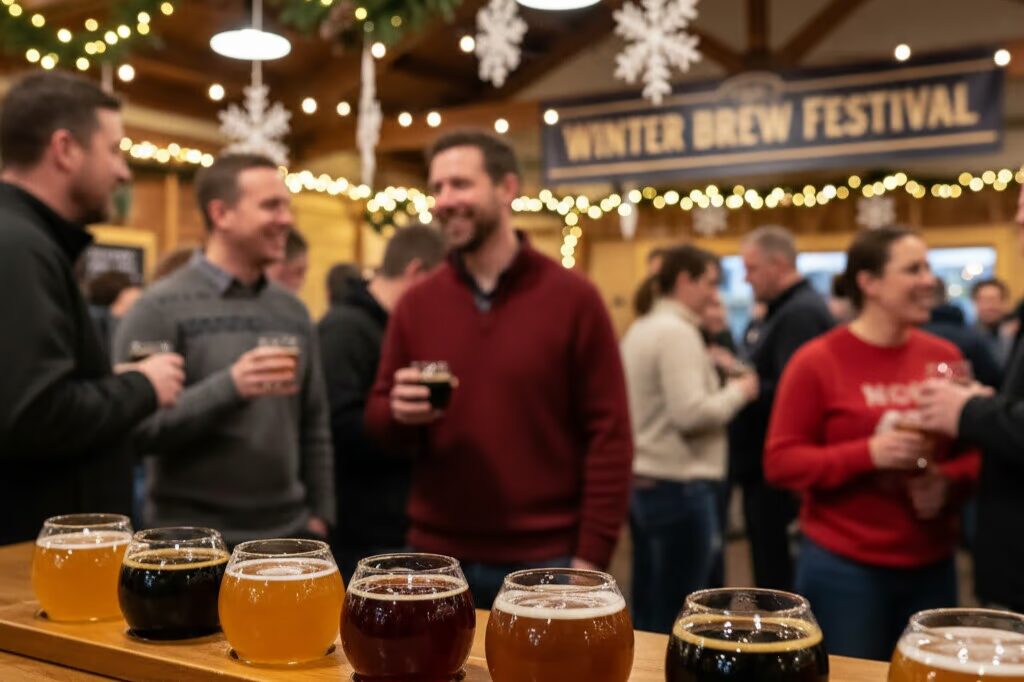
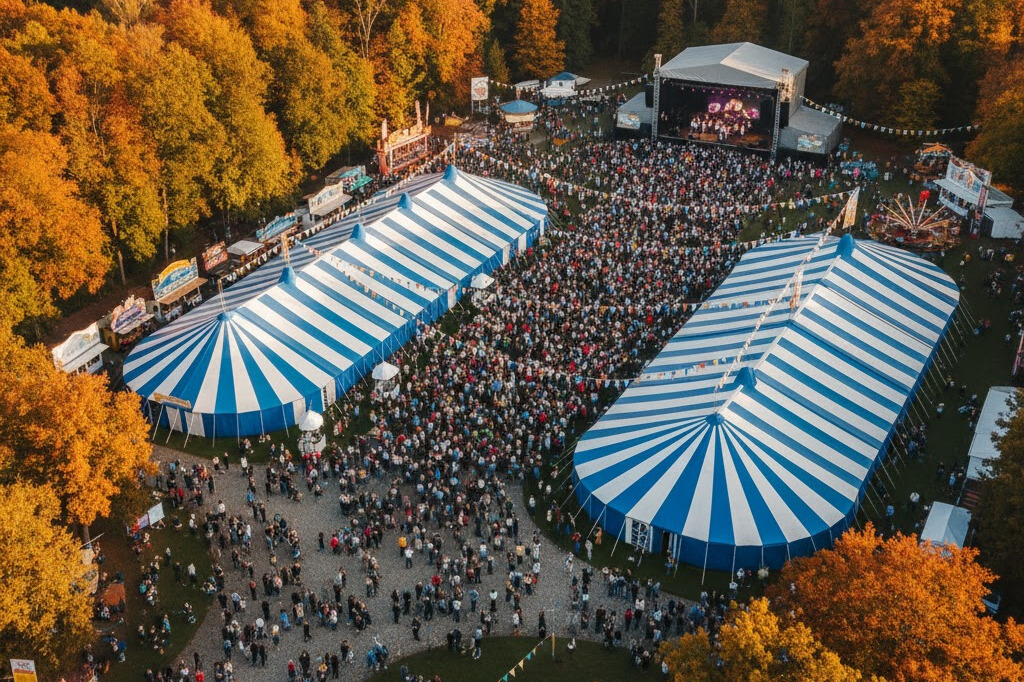
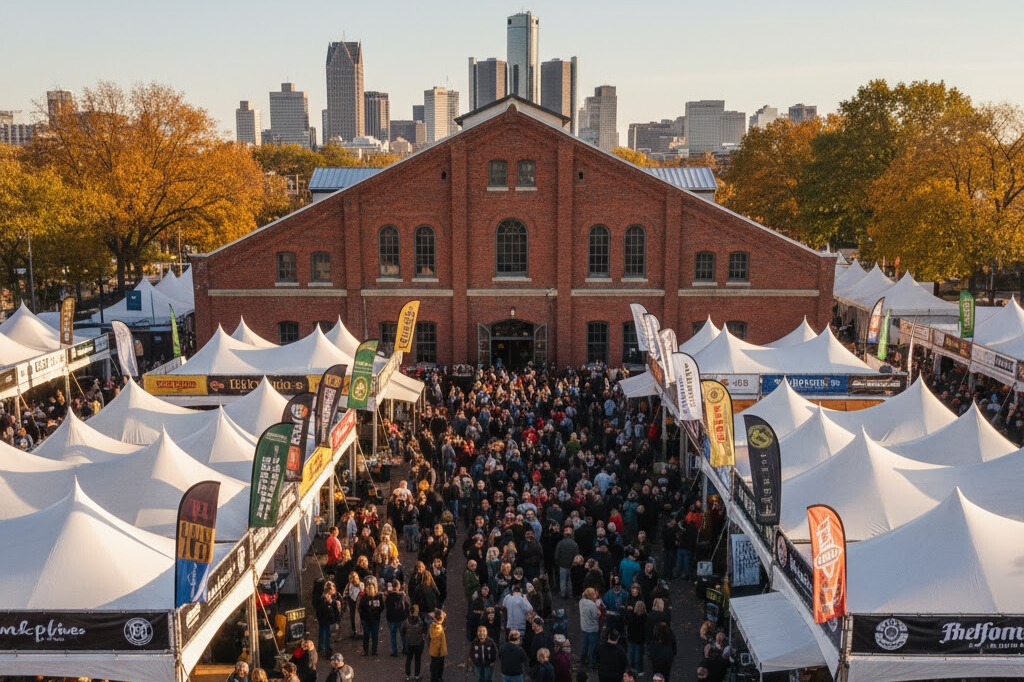
The Midwest takes its winter beer festivals seriously. These events give you a chance to sample dozens of beers in one place, meet brewers, and discover new favorites before committing to full bottles.
Cleveland’s Winter Warmer Fest brings out over 200 different beers each February. Chicago’s Festival of Barrel and Wood-Aged Beers (FoBAB) happens in November and showcases the region’s barrel-aging expertise. Milwaukee’s Better on Draft Winter Beer Festival highlights Wisconsin’s brewing traditions. Pittsburgh Winter Beerfest pulls from both Midwest and Mid-Atlantic breweries for comprehensive winter coverage.
Mark your calendar for these. They’re the best way to explore the winter beer landscape without breaking the bank or ending up with bottles you don’t enjoy.
Your Complete Midwest Craft Brewery Guide to Winter Beer Excellence
The Midwest has earned its reputation for outstanding winter beers. From Great Lakes’ spice-forward Christmas Ale to Bell’s malt-focused approach, from Goose Island’s barrel-aged innovations to Kansas City’s authentic German doppelbocks, there’s something here for every winter beer fan.
Maybe you prefer traditional English-style winter warmers. Maybe you love festive beers packed with holiday spices. Maybe you’re into complex barrel-aged stouts or clean German lagers. Whatever your preference, Midwest breweries deliver quality options that make winter more bearable.
The 2025-2026 season is shaping up nicely. Visit your local taprooms to taste the freshest releases. Check out regional festivals to expand your palate. And embrace the seasonal traditions that make winter beer culture so special. After all, when it’s dark and cold outside, a great winter beer makes everything better.
References
- Beer Judge Certification Program (BJCP). 30C. Winter Seasonal Beer. https://www.bjcp.org/style/2015/30/30C/winter-seasonal-beer/
- Bell’s Christmas Ale. Bell’s Brewery. https://bellsbeer.com/beers/christmas-ale/
- Summit Brewing Winter Ale. Summit Brewing Company. https://www.summitbrewing.com/beer/winter-ale/
- Christmas Ale. Great Lakes Brewing Company. https://www.greatlakesbrewing.com/christmas-ale/
- Schlafly Christmas Ale. The Schlafly Tap Room.
- Bourbon County Brand Stout. Goose Island Beer Co. https://www.gooseisland.com/bourbon-county-brand-stout/
- Festival of Barrel and Wood-Aged Beers (FoBAB). https://www.fobab.com/
- Winterbock. Kansas City Bier Company. https://www.kcbier.com/beer/winterbock/
- Winter Warmer Fest. Ohio Craft Beer. https://ohiocraftbeer.org/winter-warmer-fest/
- Beer Serving Temperature. Craft Beering. https://www.craftbeering.com/beer-serving-temperature/