Table of contents
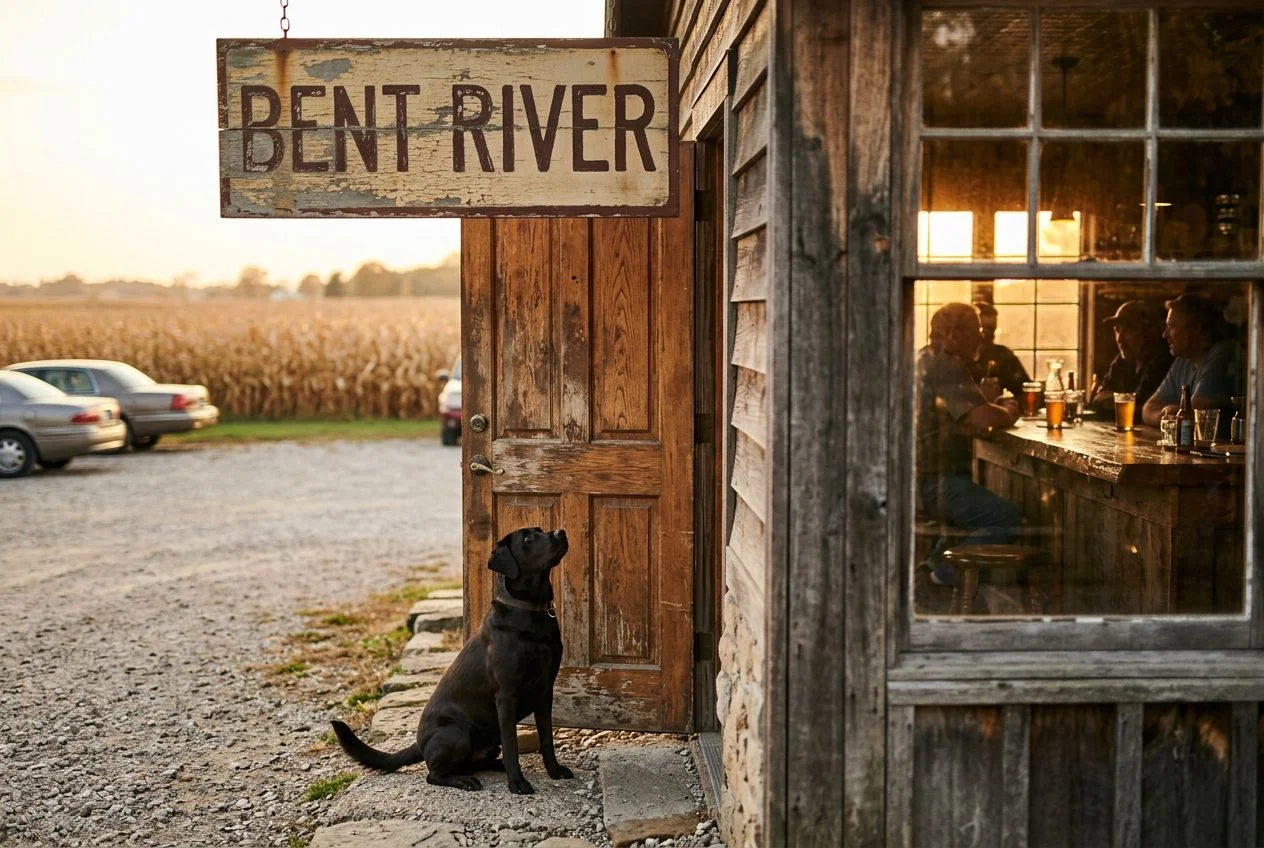
The first time I drove past a sign for a brewery called “Bent River,” I figured it was a nod to some dramatic bend in the Mississippi. Turns out, I was wrong. The name has nothing to do with water at all. It’s a tribute to a beloved dog.
That’s the thing about brewery name origins. They’re rarely what you expect. A name might honor a family pet, a failed business venture, or a town that no longer shows up on a map. After a few years of asking founders this exact question over pints, I’ve learned that the story behind the label is often more interesting than the beer itself.
Here’s what I’ve found.
The Dog That Started It All (Bent River, Rock Island, IL)
Bent River Brewing Company has been a Quad Cities staple since 2006, but the name predates the brewery by decades. Founder Paul Kerkove told me the story while we sat in the taproom, surrounded by the kind of worn-in wood that only comes from fifteen years of regulars.
The name comes from Kerkove’s childhood dog, a black lab named River. The “Bent” part? That was just a playful nod to the dog’s crooked tail. “River was bent,” Kerkove said, laughing. “So we called him Bent River.”
That’s it. No deep philosophical meaning. No geographic reference. Just a good dog with a crooked tail.
I love this story because it’s so thoroughly Midwestern. We don’t name things after mountains or oceans — we name them after our dogs. And honestly, that feels right. A brewery named after a family pet says more about the people running it than any clever wordplay ever could.
Brewery name origins in small towns
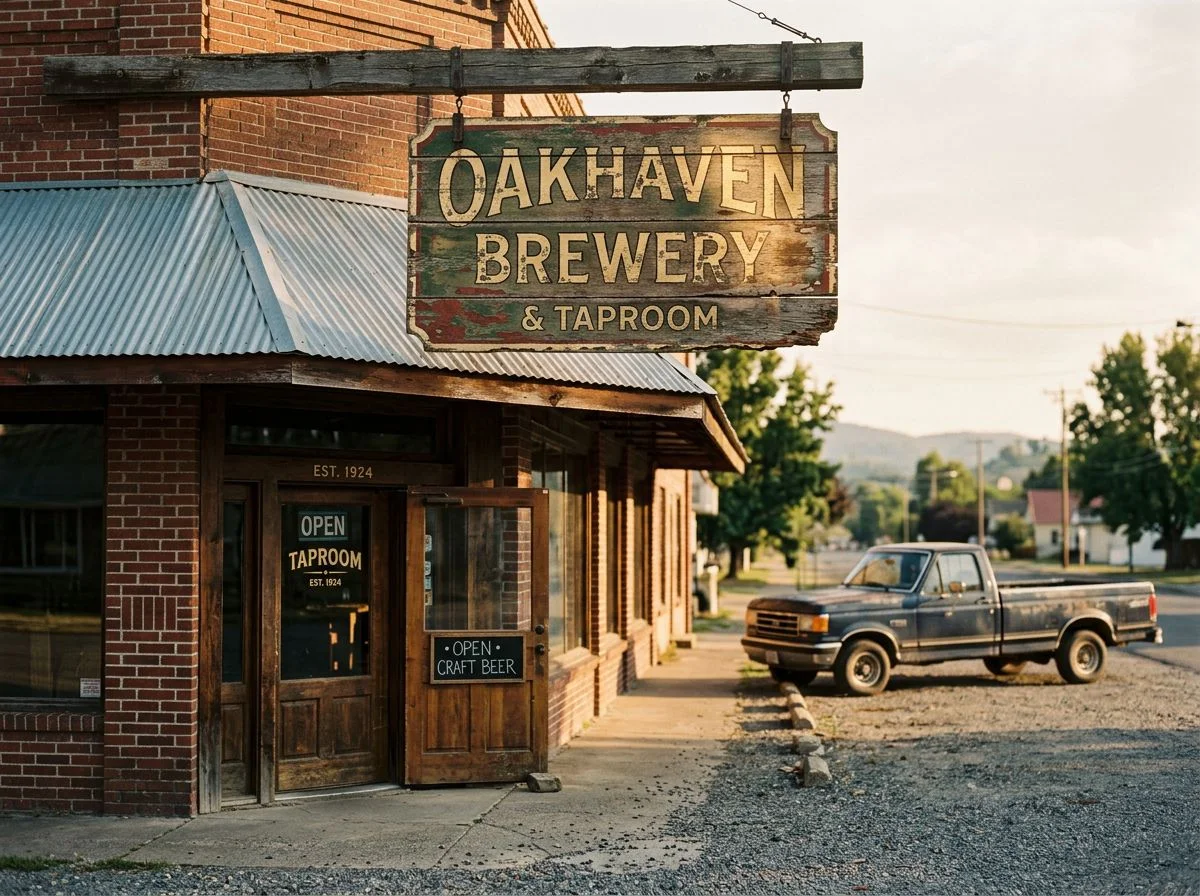
Central Waters Brewing Company has been making some of Wisconsin’s best barrel-aged stouts for over twenty years, but the name has nothing to do with water. It’s a reference to the Central Wisconsin Watershed — a region that includes the tiny town of Amherst, where the brewery opened in 1998.
But here’s the part I didn’t know until I dug into the archives: the name almost didn’t happen. Co-founder Paul Graham told me the original plan was to call the brewery “Amherst Ale Works.” But a company with a similar name already existed, and the legal headaches weren’t worth it.
“We wanted something that tied us to the land,” Graham said. “The watershed is what makes this region what it is. The water, the soil, the farms. It felt honest.”
The name has aged well. Central Waters now distributes across the Midwest, but the label still evokes a sense of place you can’t fake. Every time I crack open a bottle of their Barrel-Aged Barleywine, I think about that little town in central Wisconsin and the water that runs beneath it.
What failed business became a legend?
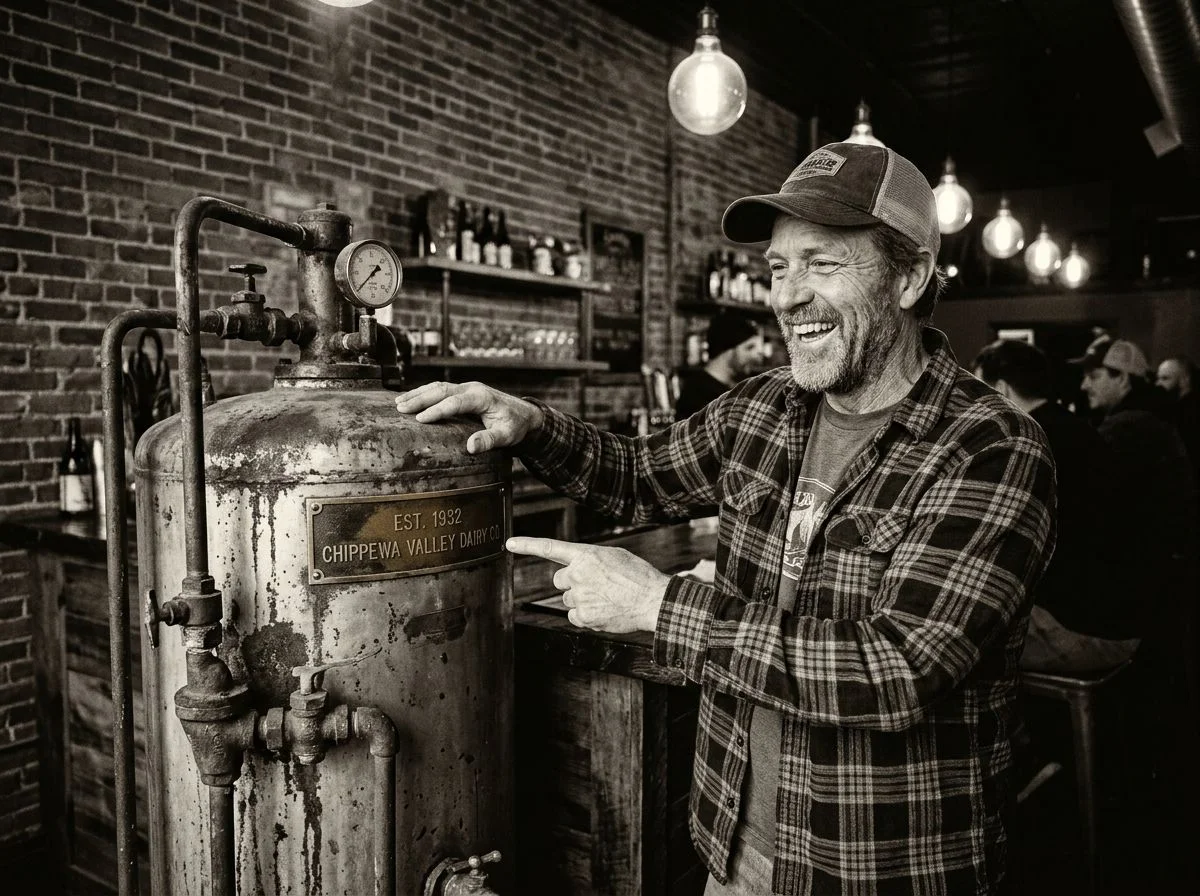
Toppling Goliath is one of the most respected breweries in the Midwest, known for hazy IPAs that people drive hours to find. But the brewery name origins trace back to a business failure.
Founder Clark Lewey was running a homebrew supply shop in Decorah called “Brew and Grow” when he decided to branch out. He opened a small brewpub with a name that referenced the biblical story of David and Goliath. The idea was that small, independent brewers could topple the big corporate giants.
The brewpub didn’t last. But the name stuck.
When Lewey relaunched as a production brewery in 2009, he kept the name as a reminder of where he came from. “It’s about the underdog,” he told me once, not long after Pseudo Sue had become a national phenomenon. “We’re still the underdog. We just have a bigger slingshot now.”
That mix of humility and ambition feels very Iowa. You don’t brag about your success, but you also don’t forget what it took to get there.
How a mispronunciation shaped a brand
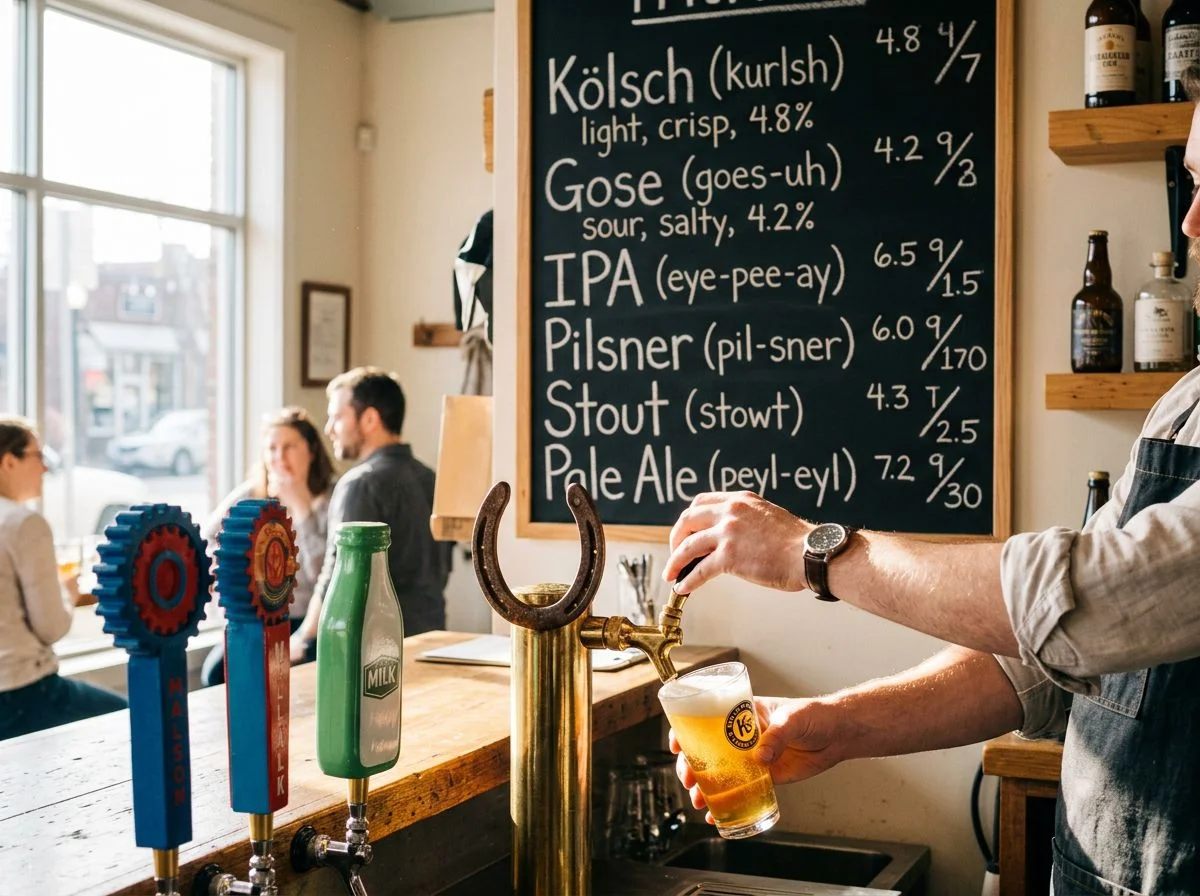
Urban Chestnut Brewing Company is one of St. Louis’s most successful craft breweries, but the name has a pronunciation problem. It’s not “Chest-nut” like the nut you eat roasted in winter. It’s “Chest-noot,” a nod to the German word Chestnoot, which translates to “chestnut” — a reference to the chestnut trees that line the streets of the brewery’s original neighborhood.
But here’s where it gets quirky. Co-founder Florian Kuplent is German-born, and he originally wanted to call the brewery “Ur-Bock,” a nod to the traditional German lager style. But “Ur-Bock” was already trademarked by a German brewery.
So Kuplent and his partner, David Wolfe, settled on Urban Chestnut as a way to honor both the German brewing tradition and their St. Louis home. The result is a name that confuses newcomers but delights regulars.
I’ve been to the brewery a handful of times, and I still hear people mispronounce it. The staff doesn’t correct them. They just smile and pour another pint. That’s the Midwestern way.
The name that almost wasn’t
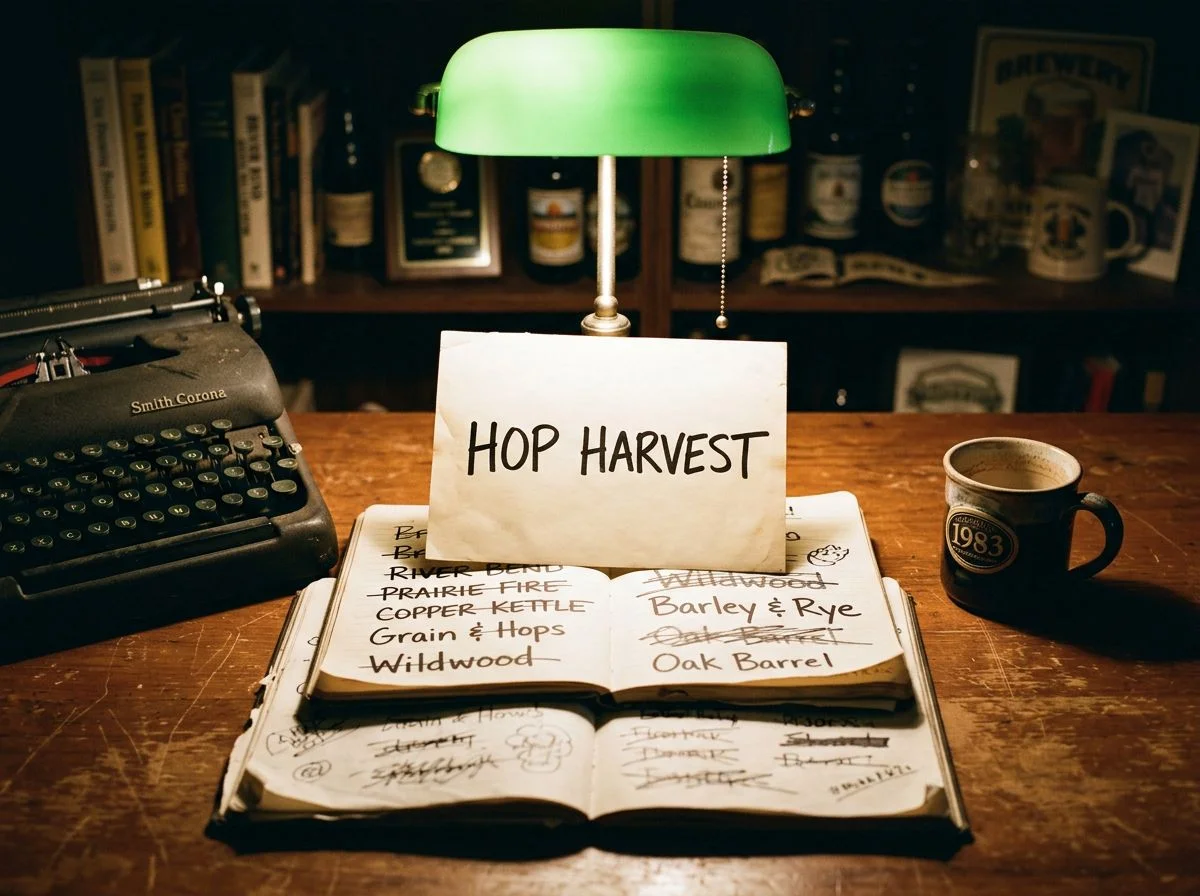
3 Floyds Brewing Company is legendary in the craft beer world, known for aggressively hopped beers and equally aggressive label art. But the name almost didn’t survive a family dinner.
The brewery is named after the three Floyd brothers — Nick, Simon, and Josh — who grew up in Munster, Indiana. Their father, Mike Floyd, was a homebrewer who taught his sons the basics. When Nick decided to start a commercial brewery in 1996, he wanted to honor his dad.
The problem? His brothers thought the name was awful.
“They thought it sounded like a law firm,” Nick told me once at a beer festival, laughing. “They wanted something cool, like ‘Dragon’s Breath’ or something. But I told them, ‘We’re the Floyds. There are three of us. It’s 3 Floyds.’ They came around eventually.”
The name has become iconic, but I love that it started as a family argument. It’s a reminder that even the most successful breweries began with the kind of petty squabbles that define any family business.
Why brewery name origins matter
I’ve spent a lot of time thinking about brewery name origins, and I’ve come to a simple conclusion: the name is the first story a brewery tells. It’s on the can, the tap handle, the sign above the door. It’s the thing you say to a friend when you’re recommending a beer.
A good name makes you curious. A great name makes you feel like you’re part of something.
That’s why I keep asking brewers about their names. Not because I care about branding strategy or trademark law — I don’t. I care about the moment when a founder looks at a blank piece of paper and tries to sum up everything they’re building in a single word or two.
Sometimes it’s a dog. Sometimes it’s a watershed. Sometimes it’s a failed business that refused to die.
The best names, I’ve found, are the ones that mean something to the people who chose them. They’re personal. They’re specific. They’re honest.
And that’s exactly what good beer should be, too.