Table of contents

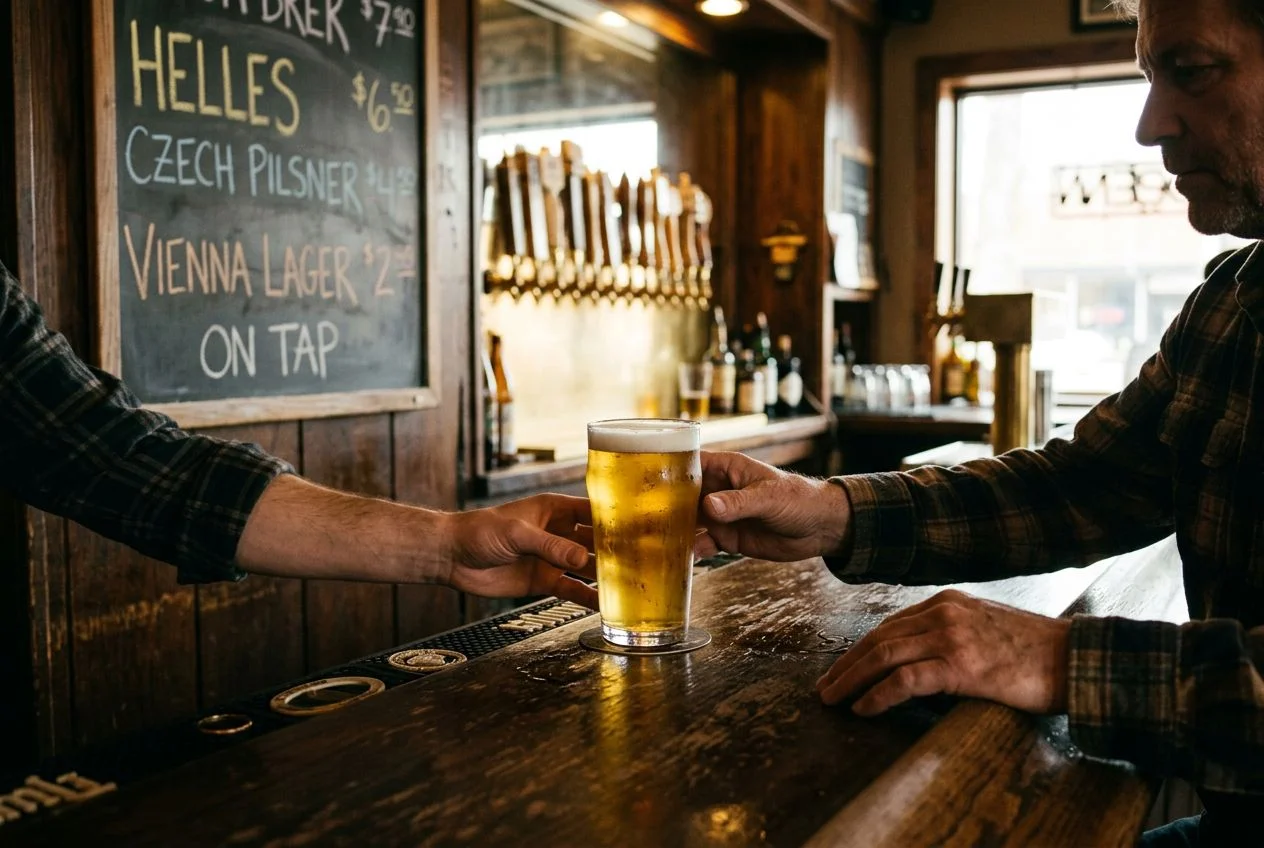
The first time I saw middle-aged guys at a Wisconsin fish fry order a round of brandy Old Fashioneds, I figured it was a regional quirk. The second time, at a Des Moines bar, a stout-drinking friend asked for “a lager, any lager, just not the usual.” That got my attention. The third time sealed it. I was at a taproom in Grand Rapids where the chalkboard listed three lagers — a Helles, a Czech-style Pilsner, and a Vienna. When I asked the bartender which was selling best, she shrugged. “All of them,” she said. “We can’t keep the line clear.”
That’s when I started calling it the Midwest lager revival. It’s not loud or flashy. It’s happening in dives and taprooms from Cleveland to Omaha. And it’s driven by the same people who once swore they’d never drink a beer that wasn’t aggressively hopped.
Why Midwest Lagers Are Hard to Brew Well
Here’s the thing about the Midwest lager: it never really went away. Miller, Pabst, Schlitz, Hamm’s, Stroh’s — these beers built the region’s brewing identity. My own grandpa drank Grain Belt from a can with a pull tab. He’d tell anyone who listened that a cold lager was “the only honest beer there is.”
He wasn’t wrong, exactly. But the big breweries that survived Prohibition and consolidation got lazy. They cut costs, added adjuncts to stretch ingredients, and let the product become a pale, fizzy shadow of what it once was. By the time craft beer hit its stride in the 2000s, “lager” meant “macro swill” to a generation of drinkers who wanted hops, hazy IPAs, and barrel-aged stouts.
That’s the story I heard from Dave and Kim Anderson, the husband-and-wife team behind Bent River Brewing in Rock Island, Illinois. They’ve been brewing since 1998. Dave told me something that stuck: “We made a lager early on because my dad kept asking why we didn’t brew ‘real beer.’ We called it Uncle Dave’s. It sold okay. But it wasn’t until 2018 or so that I started seeing younger drinkers actually order it first.”
Bent River’s story isn’t unique. The Midwest lager revival is happening because a new generation of brewers — and drinkers — is rediscovering something. A well-made lager is one of the hardest beers to brew. It’s also one of the most rewarding to drink.
Why Midwest Lagers Are Harder to Brew Than IPAs
Let’s get the technical part out of the way, because it matters. Lagers use bottom-fermenting yeast that works at colder temperatures — usually 45 to 55 degrees Fahrenheit, compared to the 65 to 75 degrees ale yeast prefers. That cold fermentation is slow. Then the beer has to lager, or condition, for weeks at near-freezing temps.
The result is a beer with almost no off-flavors to hide behind. An IPA can mask a slightly off fermentation with a heavy hand of hops. A lager has nowhere to hide. If the water chemistry is off, if the mash temperature drifted, if the fermentation got too warm for even a few hours — you’ll taste it in the final pint.
I talked with Mike Nauman, head brewer at Lakefront Brewery in Milwaukee, about this. Lakefront’s been around since 1987, and they’ve always made a lager or two. But Mike said the recent surge in lager interest has changed how he approaches the brewing calendar. “We’re planning lagers months out now because they tie up tanks forever,” he told me. “It’s a commitment. But when it’s done right, there’s nothing like it.”
That commitment is exactly why the Midwest lager revival matters. It’s not a trend driven by marketing. It’s driven by brewers who want to prove their craft. And by drinkers who are finally willing to wait for something clean, crisp, and honest.
Which Small Breweries Lead the Lager Revival
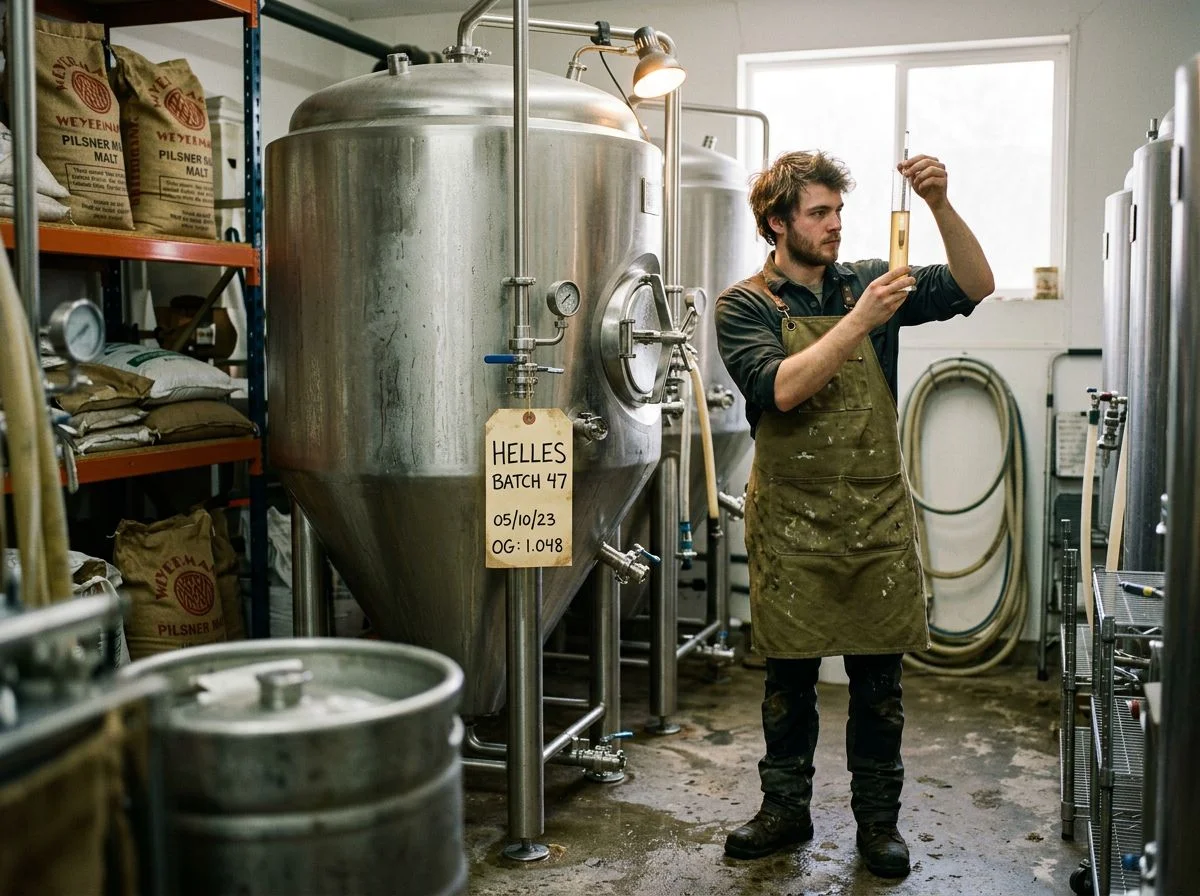
You don’t have to look far to find examples. In Iowa, Toppling Goliath — the Decorah brewery famous for its hazy IPAs — has been quietly building a reputation for lagers. Their Pseudo Sue is the flagship, but their Kentucky Brunch Brand Stout gets the hype. It’s their Golden Nugget IPA that fills growlers. Lagers? They’ve got a Czech-style Pilsner called Dorothy’s that’s become a staple on tap lists across the state.
Then there’s New Glarus Brewing in Wisconsin. Dan Carey has been making Spotted Cow — a farmhouse ale that drinks like a lager — since the 1990s. It’s the best-selling craft beer in the state. But the brewery’s real lager work happens in their German-style beers, like the Two Women Lager. That’s a collaboration between Dan and his wife Deb that’s been winning awards since 2010.
And in Minnesota, Schell’s Brewery in New Ulm has been making lagers since 1860. They survived Prohibition by making near-beer and soda. They survived the craft boom by sticking to their guns. Their Grain Belt brand — the one my grandpa drank — is now brewed at their facility. And they’ve added a line of modern lagers under their own name that sell faster than they can package.
I called their head brewer, Jace Marti, to ask what he thought about the revival. “We never stopped making lagers,” he said. “It’s nice that the rest of the world finally caught up.”
That’s a Midwestern answer if I’ve ever heard one. No chest-thumping, no celebration. Just a quiet acknowledgment that doing the work consistently for 160 years eventually pays off.
How Dive Bars Are Winning Over IPA Drinkers
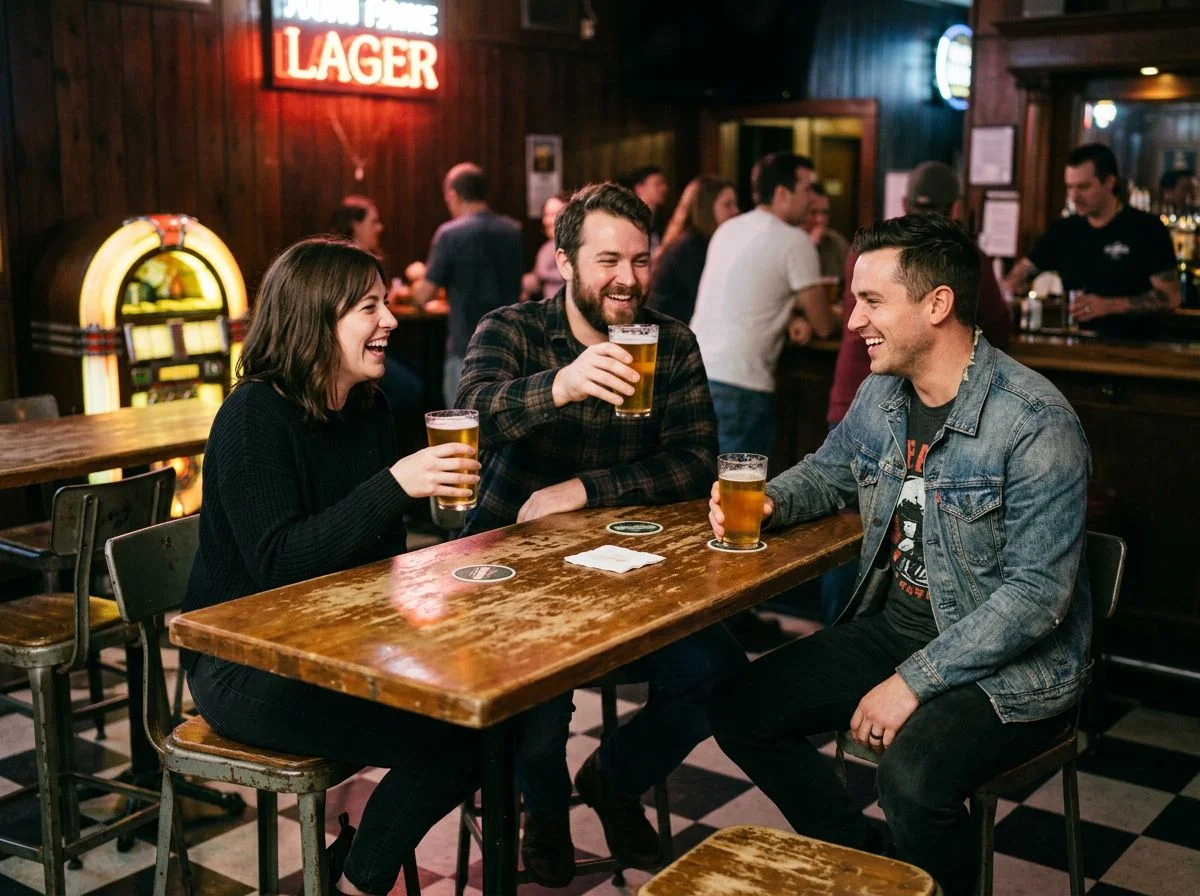
Here’s the part of the Midwest lager revival that fascinates me most: it’s not just happening in craft taprooms. It’s happening in dive bars, VFW halls, and supper clubs — the places where “craft” was never part of the vocabulary.
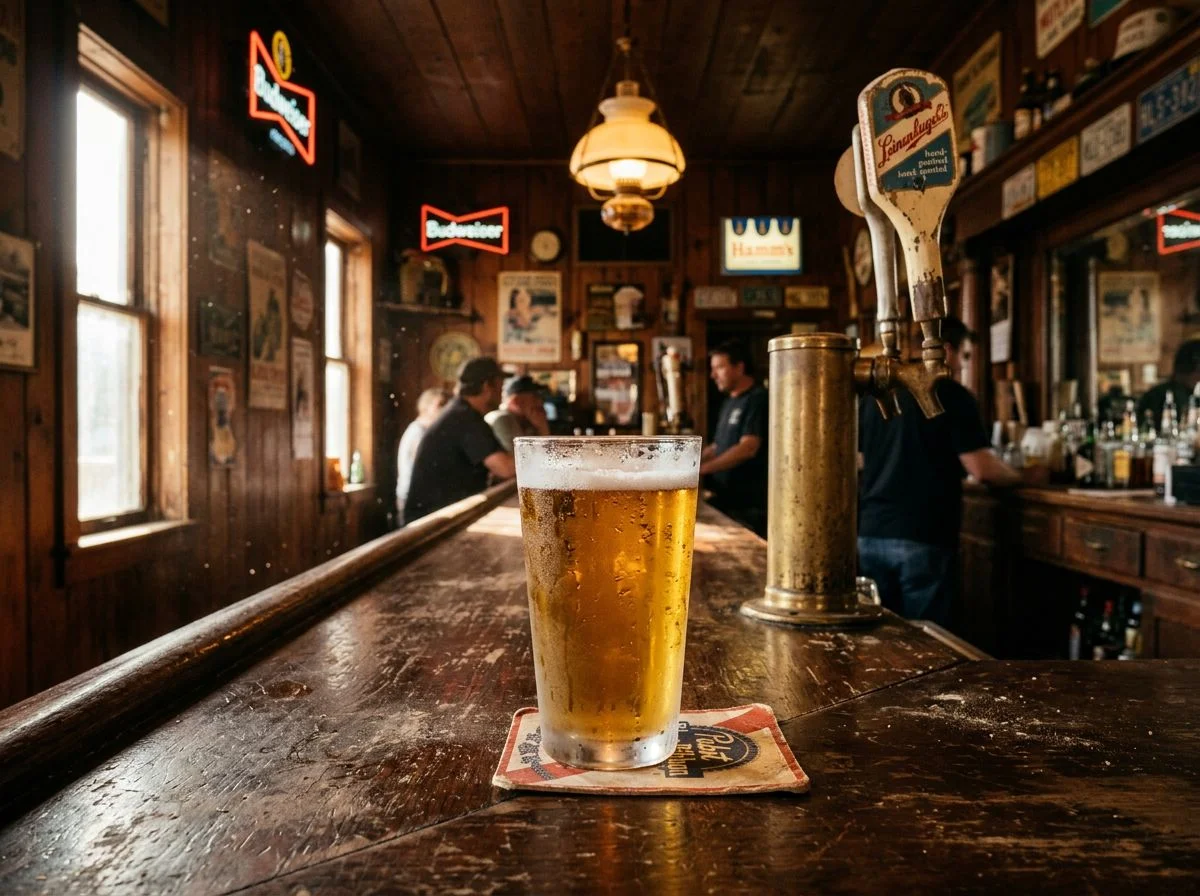
I spent an evening at a small bar in La Crosse, Wisconsin. I watched a group of guys in their twenties order a round of Miller High Life alongside a round of a local lager from Pearl Street Brewery. When I asked one of them about the mix, he shrugged. “The High Life’s fine. But the Pearl Street one’s got more flavor. And it’s still a lager, so it goes down the same.”
That’s the key insight. The Midwest lager revival isn’t about rejecting the beers our grandparents drank. It’s about elevating them — keeping the sessionability, the clean finish, the food-friendliness. Then adding the care and quality that small breweries bring.
I’ve seen it in Ohio, where Great Lakes Brewing in Cleveland has been making their Dortmunder Gold since 1988. It’s still one of the best lagers in the region. I’ve seen it in Michigan, where Short’s Brewing in Bellaire has a rotating lager program that sells out regularly. I’ve seen it in Illinois, where Scratch Brewing in Ava — a farmhouse brewery known for foraged ingredients — makes a lager that tastes like the Illinois River valley in a glass.
What the Lager Revival Means for Midwest Beer
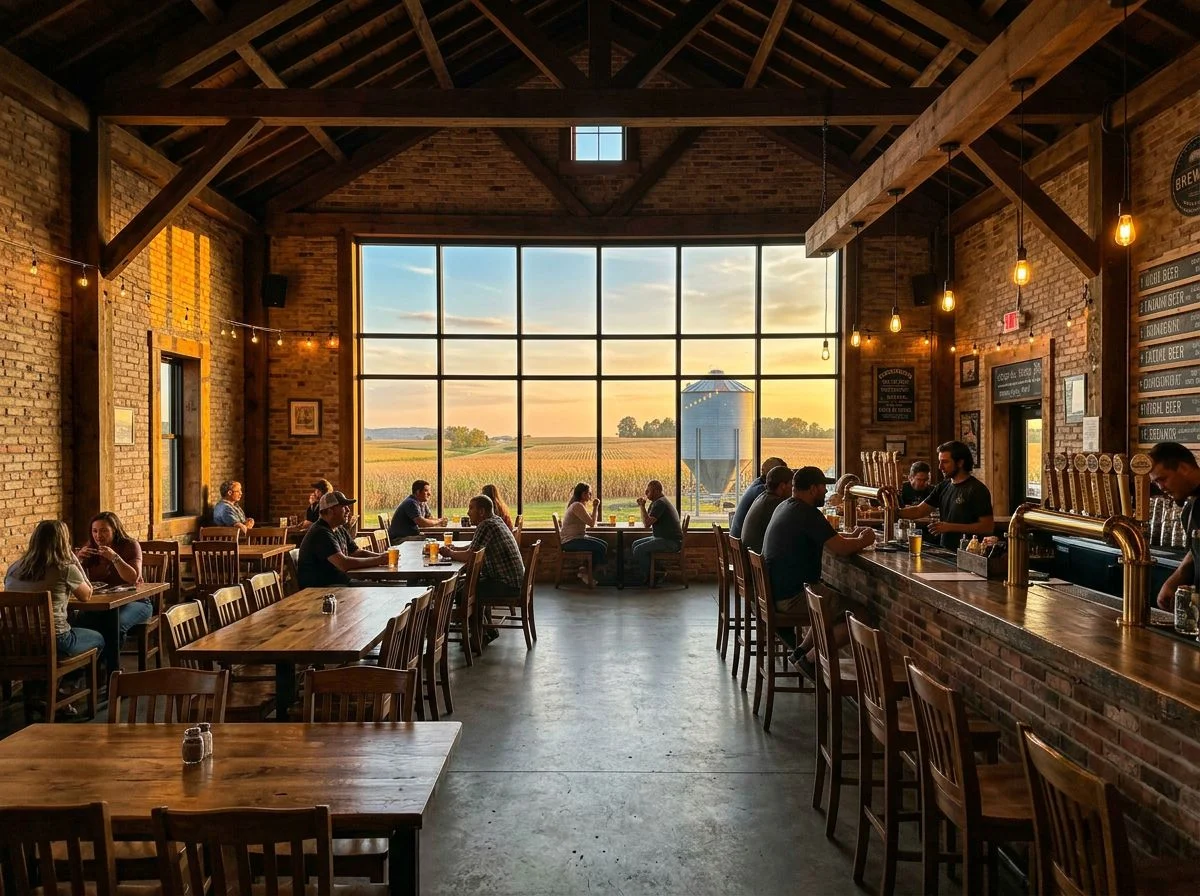
The Midwest lager revival isn’t a flash in the pan. It’s a correction. For two decades, craft beer was defined by extremes — the hoppiest IPA, the strongest stout, the most barrel-aged anything. Lagers were the boring option, the beer you drank when you wanted a break.
But the brewers who’ve been at this for a while are tired of extremes. They’re tired of chasing trends, tired of one-upping each other with adjuncts and experimental yeasts. They want to make beer that’s hard to make well. Beer that stands on its own without a gimmick.
The drinkers are catching up. I’ve seen it in the taprooms I visit. A group of friends will order a flight of lagers and actually talk about the differences — the bready malt of a Munich Helles, the crisp bitterness of a Czech Pilsner, the subtle toast of a Vienna. That conversation wasn’t happening five years ago.
And the brewers are responding. I’ve got a list of Midwest breweries planning to add lagers to their permanent lineup in the next year. Half a dozen small operations in Wisconsin alone are building dedicated lager programs, with separate fermentation rooms and extended lagering schedules. That’s not a trend. That’s an investment.
Why a Return to Lagers Just Works
My grandpa would have been baffled by the idea that his beer was making a comeback. He never stopped drinking it. And he never understood why I spent so much time chasing hazy IPAs and imperial stouts. “It’s all beer,” he’d say. “Some of it’s just more honest than others.”
He had a point. The Midwest lager revival is, at its core, a return to honesty. It’s a recognition that the hardest thing to do well is often the simplest thing. And there’s real value in a beer that’s clean, crisp, and made with care.
I’ve got a can of Schell’s Deer Brand in my fridge right now. A beer that’s been brewed in New Ulm since the 1800s. It’s not flashy. It doesn’t have a story about a barrel or a fruit or a wild yeast strain. It’s just a lager, made by people who’ve been making lagers for generations.
And honestly? It’s perfect.
The next time you’re in a Midwest taproom and the bartender points you toward something hazy and double-hopped, ask if they’ve got a lager on tap. You might be surprised by the answer. I know I was.