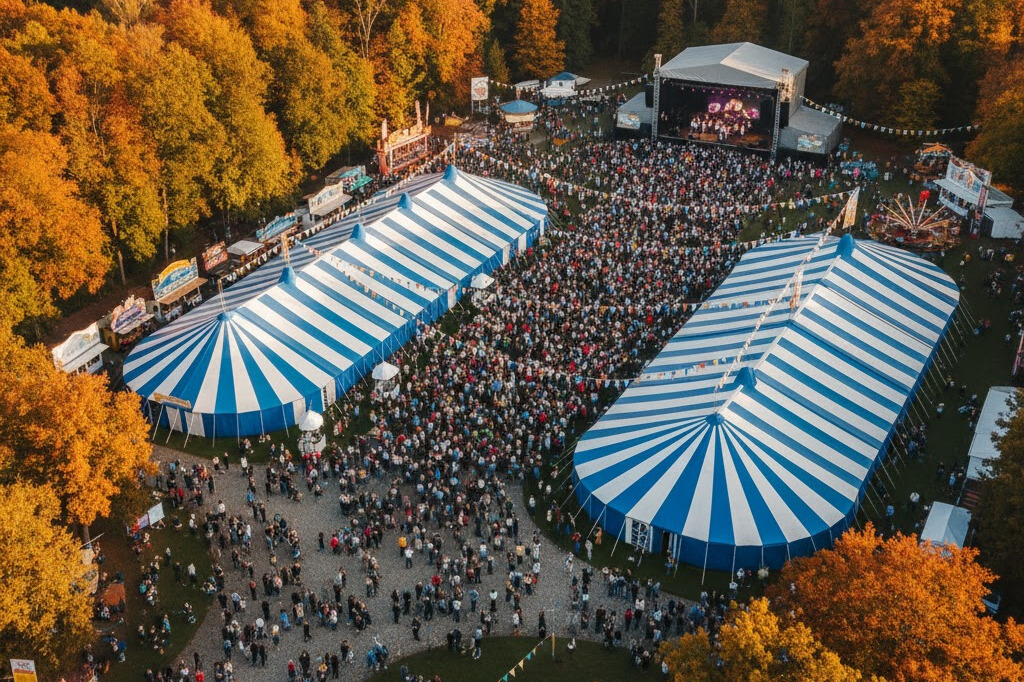
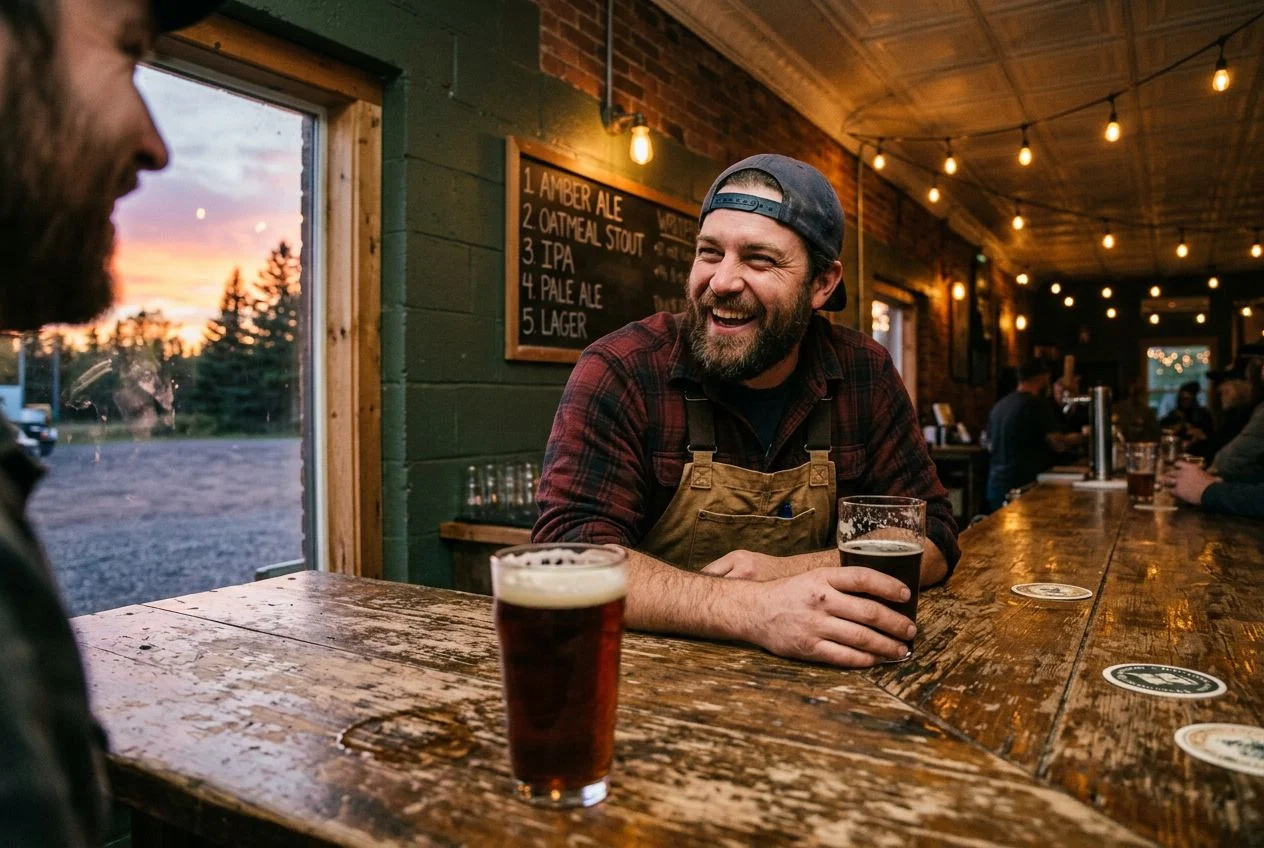

The first time I crossed the Mackinac Bridge, I was chasing a pasty and a sunset, not a pint list. But somewhere between the pine trees and the rocky Lake Superior shoreline, I realized the real destination was the taprooms. They’re tucked into old hardware stores and converted garages. Michigan Upper Peninsula breweries don’t advertise with billboards. They let the gravel roads and the smell of woodsmoke do the talking.
This isn’t a guide to Grand Rapids’ crowded beer gardens or Traverse City’s tourist traps. It’s about the five-barrel systems humming in towns you might miss if you blink. I spent a week driving from St. Ignace to Ironwood, talking to brewers who double as plumbers and tasting beers that taste like the land they came from. Here’s what I found when I got off the highway.
U.P. Breweries Worth the Drive
Table of contents
You can’t talk about Michigan Upper Peninsula breweries without talking about the food. The pasty — that hand-held meat pie brought over by Cornish miners — anchors the region’s cuisine. And just like a good pasty needs rutabaga and a heavy hand of pepper, a good U.P. beer needs to stand up to a meal built for fuel, not fuss.
I sat down with John, the founder of a small operation near Escanaba. He put it plainly: “We’re not making beer for people who want a flight of sours. We’re making beer for people who just finished splitting wood or pulling a boat out of the water.” That ethos shows in the glass. Expect malty ambers, robust porters, and lagers clean enough to drink all day.
But it’s not just about style. The water matters. Much of the U.P. draws from the Great Lakes basin, and the soft, low-mineral water is a blank canvas. Brewers here don’t chase the hop bombs of the West Coast. They let the yeast and grain do the talking, which gives the beer a character that’s hard to fake.
Michigan Upper Peninsula breweries to visit
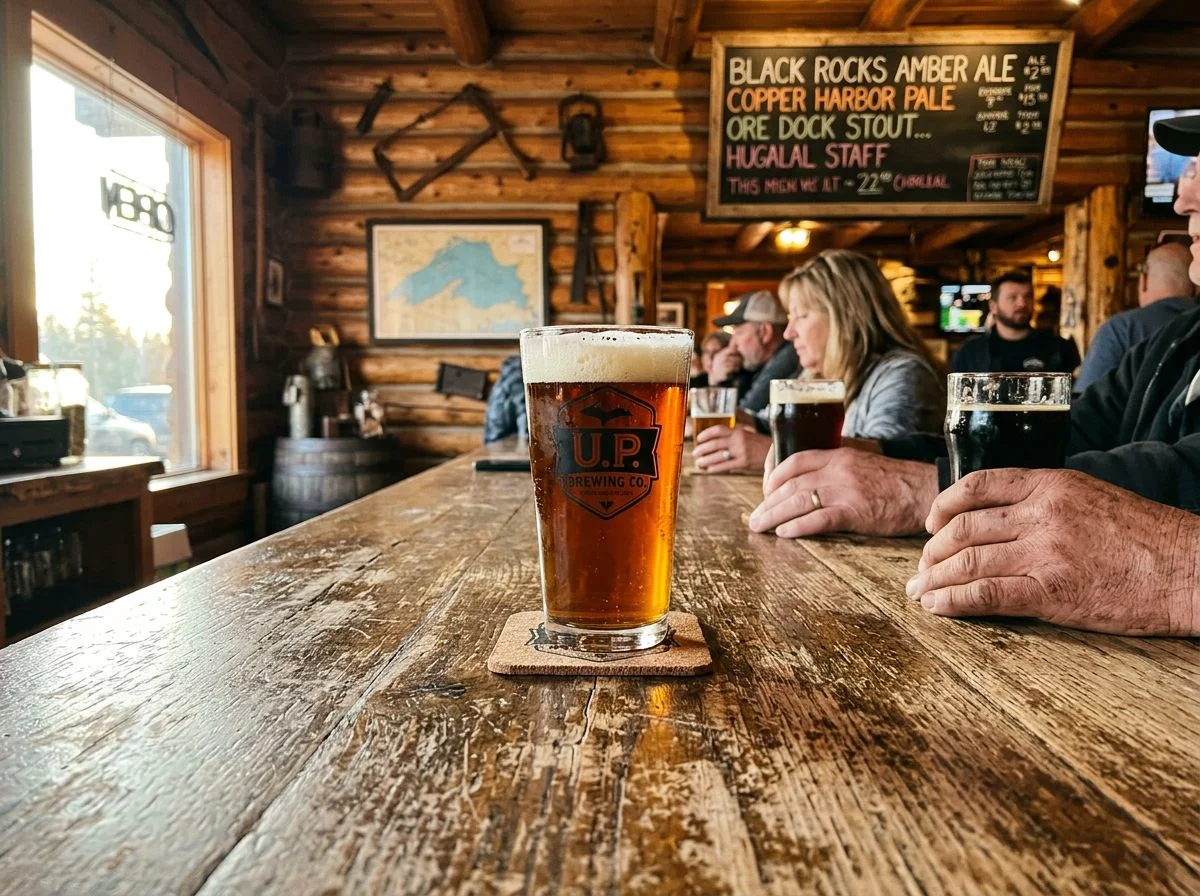
If the U.P. has a craft beer capital, it’s Marquette. This college town on the shore of Lake Superior has more breweries per capita than almost anywhere else in the state. And they’re not all the same.
I spent an afternoon at Blackrocks Brewery, which started in a 1912 house and still has that living-room vibe. They’re known for their 51K IPA, a nod to the local ice cream shop’s famous flavor. But the real gem was a coffee stout on nitro. It poured like a milkshake and tasted like a campfire in the best way. The brewer told me they source the beans from a roaster two blocks away. That’s the kind of hyper-local synergy you don’t get in a distribution warehouse.
A few miles down the road, Ore Dock Brewing Company sits in a former iron ore warehouse. The taproom is cavernous, with exposed brick and a ceiling that echoes. Their “Mining Town” series pays homage to the region’s history, and the imperial stout in that lineup was the darkest, richest thing I had all week. It’s a reminder that these breweries aren’t just selling beer — they’re selling a sense of place.
Why small-town U.P. breweries thrive
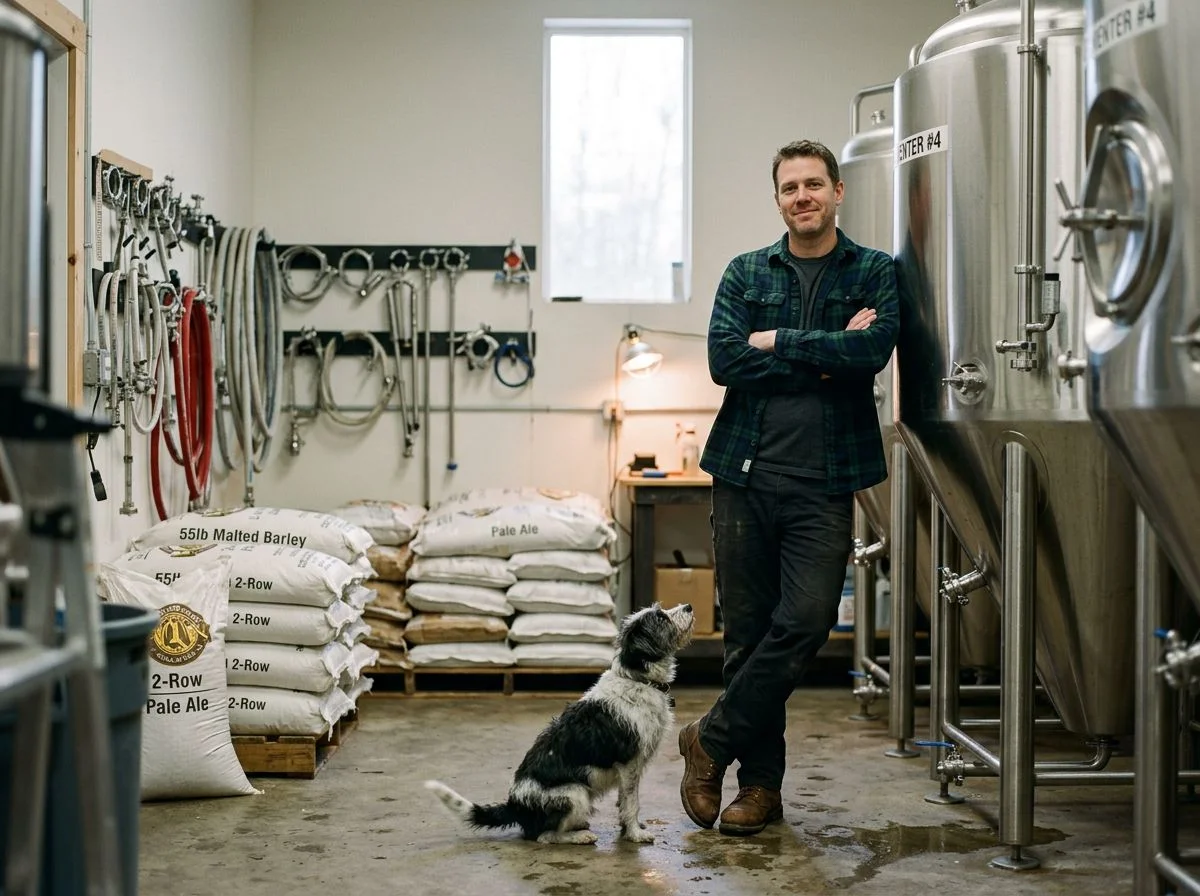
The real magic, though, happens in the towns you’ve never heard of. Take Houghton, home to Keweenaw Brewing Company. KBC is the region’s biggest success story, and they’ve done it by staying relentlessly local. Their “Widowmaker” black ale is named after a local ski hill, and you can find it in gas stations and supper clubs across the peninsula. But the taproom itself is a no-frills room where the bartender knows everyone’s name.
Further west, in Ironwood, I found a nano-brewery operating out of a former auto body shop. The owner, a retired schoolteacher, was pouring a honey blonde made with wildflower honey from her neighbor’s hives. She told me she started with a one-barrel system and only brews 20 gallons at a time. “If I make a mistake,” she laughed, “I have to drink it myself.” That kind of honesty is rare in an industry that loves hype.
These small-town operations face a challenge their big-city counterparts don’t: distribution. When you’re three hours from the nearest metro area, you can’t rely on foot traffic alone. Many of these breweries survive on locals who treat the taproom like a community center. And honestly, that’s why the beer tastes better. It’s made for neighbors, not strangers.
What almost sank their cash flow
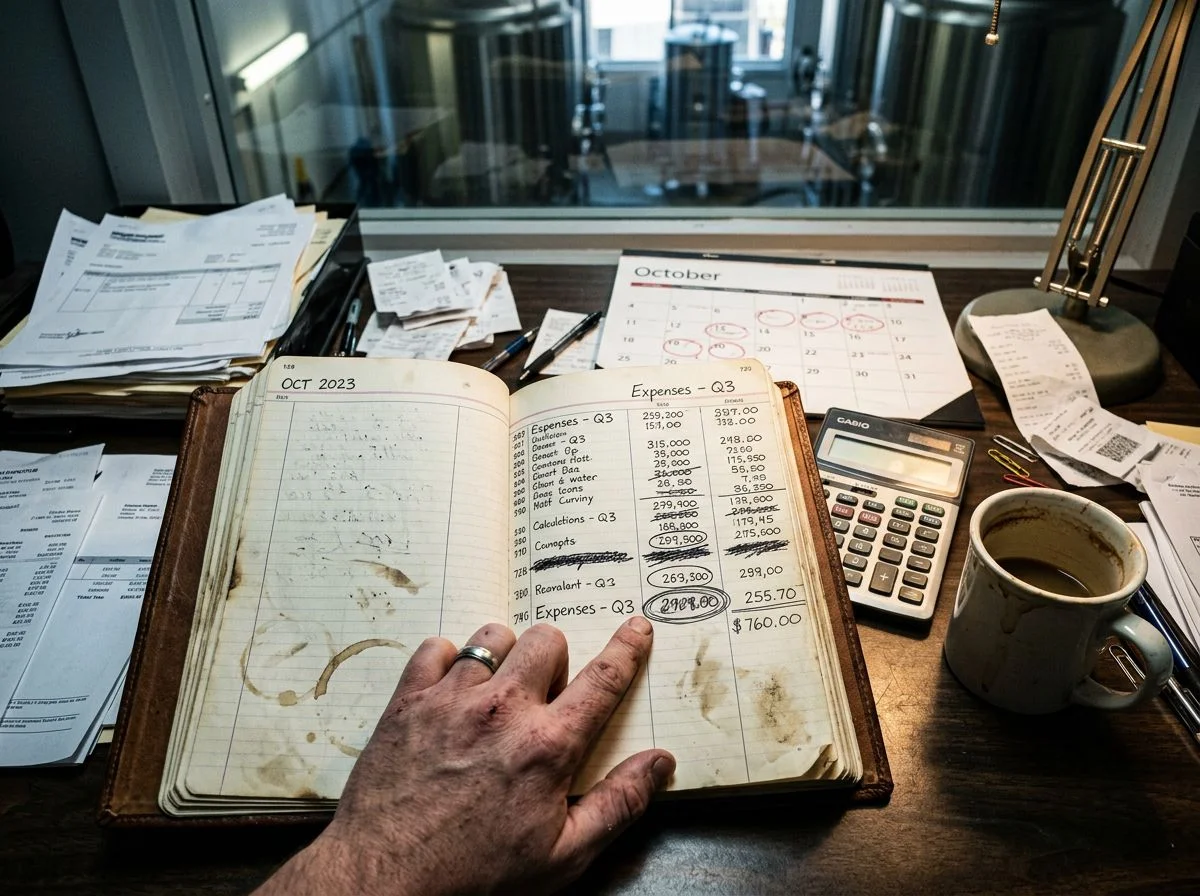
Every brewer I talked to had a near-death story. For one, it was a failed canning line that cost them six months of profit. For another, it was a winter that lasted until May and killed all tourism.
The most striking story came from a brewery in Munising. They opened in 2018, right before the pandemic, and had to pivot to crowlers and curbside pickup within six months. The founder, a former nurse, told me she almost sold the equipment twice. “We survived because the community showed up,” she said. “People would buy a four-pack and leave a $20 tip just to keep the lights on.”
That’s the story of Michigan Upper Peninsula breweries in a nutshell. They’re not backed by venture capital or private equity. They’re backed by the guy who plows the parking lot and the woman who bakes the pretzels. When you drink a pint up here, you’re literally funding a neighbor’s dream.
What a U.P. brewery road trip looks like
If you’re planning a route, start in St. Ignace and work your way west along US-2. That stretch has a few surprises, including a brewery in a restored train depot. It serves a smoked porter that pairs absurdly well with a pasty from the shop next door. Then cut north to the Lake Superior shoreline and let the breweries dictate your stops.
One practical note: many of these taprooms close early, especially in the off-season. Check hours before you go, and don’t assume they’ll be open on a Monday. The brewers are often the only ones working, and they need a day off too.
How do Michigan Upper Peninsula breweries share their story
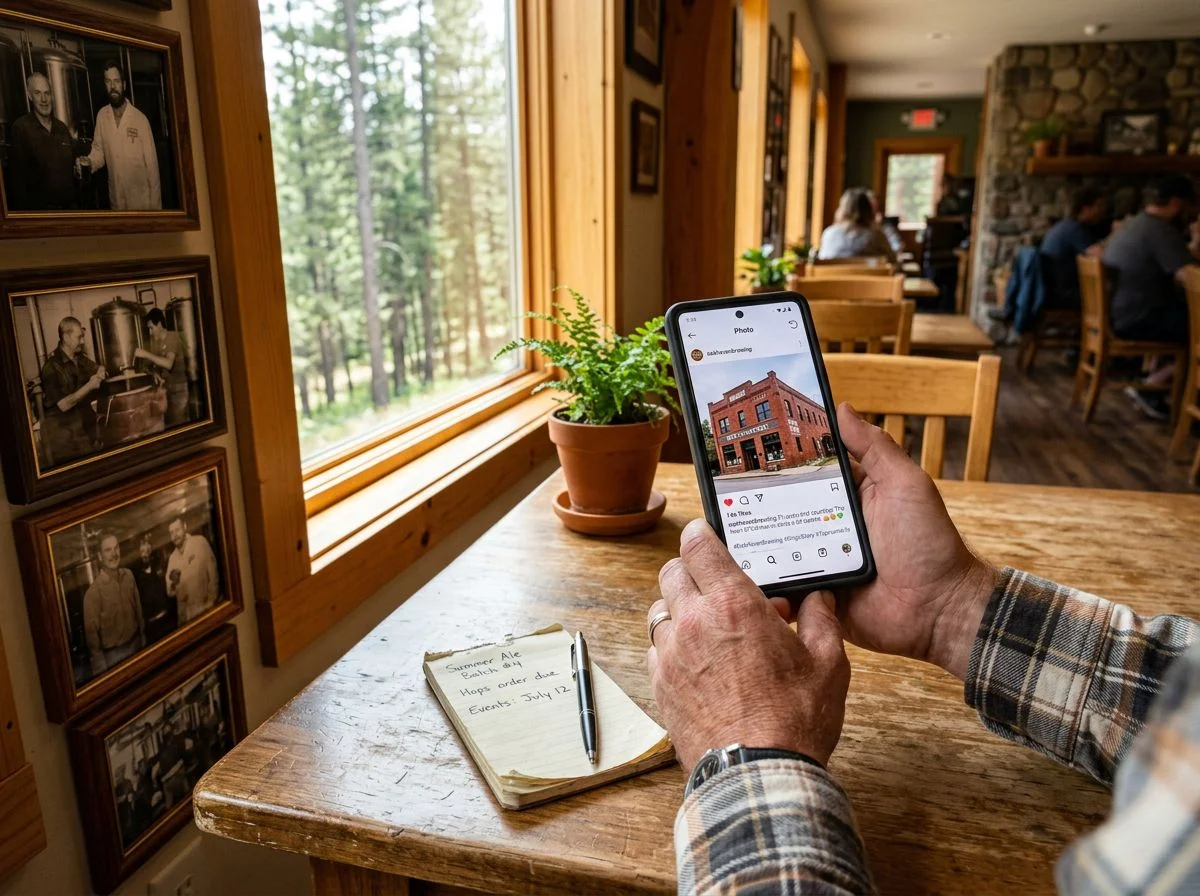
I drove back across the bridge with a cooler full of cans and a head full of stories. The beer was good — some of it genuinely great — but that’s not why I’ll go back. I’ll go back for the guy who named his IPA after a local legend, and the woman who brews with honey from her own hives, and the town where the taproom is the only place to hear the gossip.
Michigan Upper Peninsula breweries aren’t trying to win awards or get written up in national magazines. They’re trying to make a living in a place that demands resilience, and they’re doing it one pint at a time. That’s a story worth raising a glass to.