Table of contents

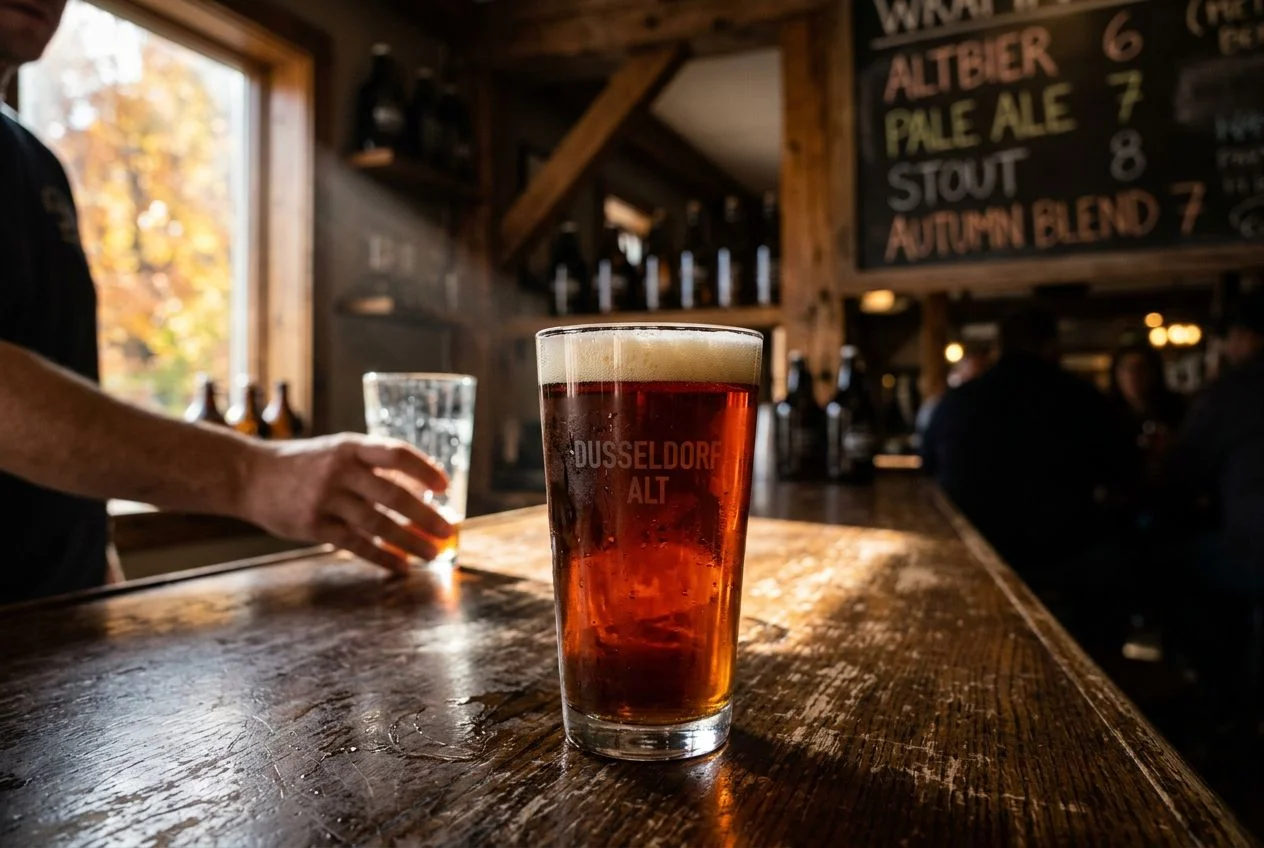
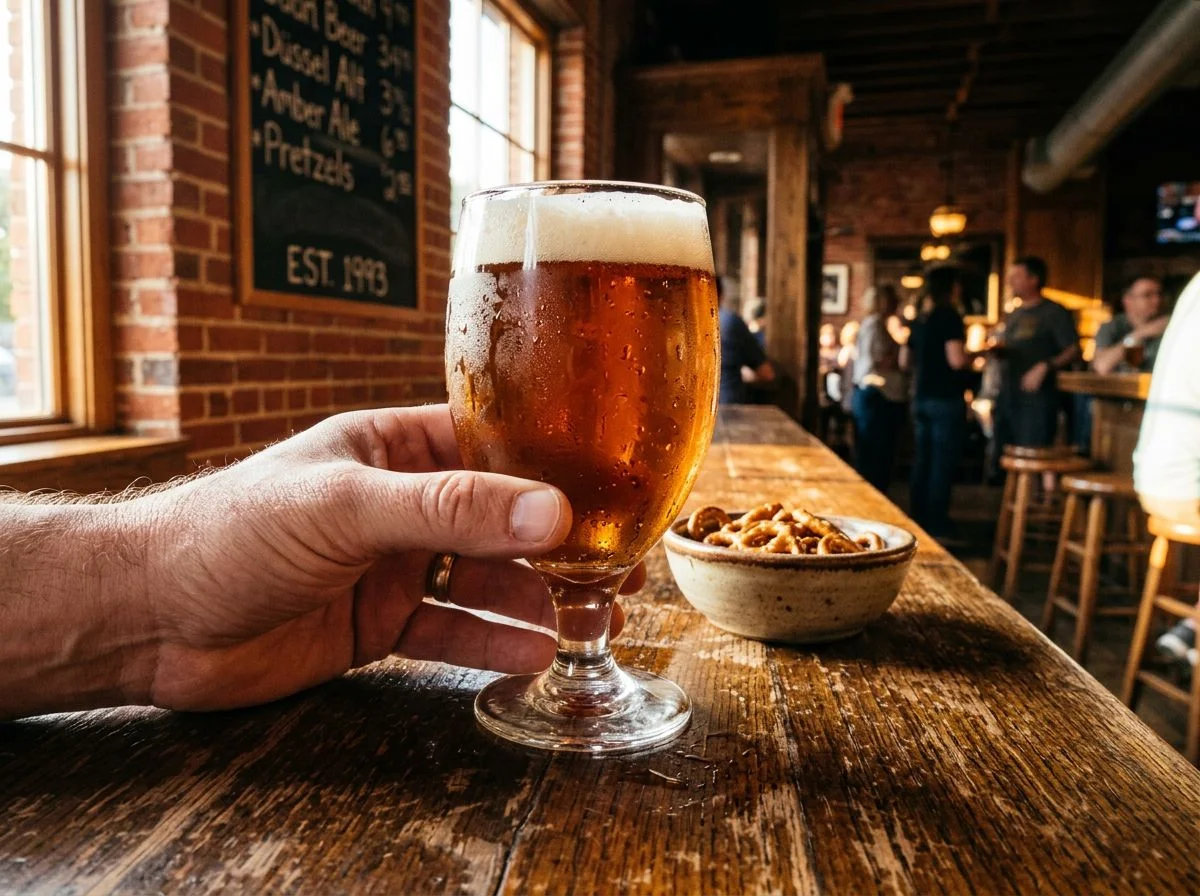
The first time I truly tasted an altbier, I was standing in a cramped taproom in Wisconsin. I held a glass the color of a penny. It was late September, the kind of day when the air gets that sharp edge to it. I’d driven two hours on a whim to visit a brewery I’d only read about online. The bartender slid the glass across the worn oak bar and said, simply, “This one’s been lagering for six weeks. It’s not going anywhere.”
That’s the thing about altbier — it’s patient. And in a craft beer scene that’s constantly chasing the next hazy, fruited, or pastry-stuffed trend, patience is a quiet kind of rebellion. As I took that first sip, I realized I’d been missing something fundamental. This wasn’t a beer that screamed for attention. It just sat there, confident, balanced, and utterly delicious. It’s the Midwest’s quiet fall contender, and honestly, it deserves a lot more love than it gets.
Why the Midwest Makes Altbier Its Own
Before we go further, let’s get the basics out of the way. Altbier — or “alt” for short — is a German-style ale that drinks like a lager. The name comes from the German word for “old.” It refers to the pre-lager brewing style that used top-fermenting ale yeast. But here’s the twist: after primary fermentation, altbier undergoes a cold conditioning period (lagering) that smooths out its rough edges.
The result? A beer that’s copper-to-brown in color, with a firm, clean bitterness that sits somewhere between an English bitter and a German pilsner. You get toasty, bready malt character up front. Then comes a dry, crisp finish that makes you want another sip. Typically, it clocks in around 4.5% to 5.5% ABV — sessionable enough for a long afternoon, complex enough to keep you interested.
The style’s spiritual home is Düsseldorf, where brewers have been making it for centuries. But here’s what most people don’t realize: the Midwest has become something of a second home for altbier midwest-style brewing. Our climate, our water, our no-nonsense drinking culture — it all fits the style perfectly.
Why the Midwest Is Built for Altbier
I sat down with a brewer from a small Iowa operation last month — we’ll call him Mike, because that’s his name — and he told me something that stuck. “Altbier is the beer I make for myself,” he said, pulling a sample from his pilot system. “But it’s hard to justify on the main tap list. It takes twice as long as an IPA, and people walk in asking for something hazy.”
That’s the economic reality of altbier in the Midwest. It’s not a flashy style. It doesn’t have the Instagram appeal of a triple-fruited smoothie sour. And it requires patience that most commercial breweries simply can’t afford. Mike’s brewery nearly dropped their alt entirely last year when hop prices spiked. The sales data showed it moving slower than their seasonal pumpkin ale.
But here’s what saved it: the regulars. A small but fiercely loyal group of drinkers started asking for it by name. They’d bring friends in and say, “You have to try this — it’s not like anything else on the menu.” Word spread slowly, the way good things tend to in the Midwest. Now, Mike’s altbier has a dedicated tap handle, and he’s planning to can it for the first time this fall.
“We’re not going to get rich off it,” he admitted, laughing. “But it’s the beer that keeps people coming back. It’s the one they remember.”
Where Does Altbier Midwest Culture Come From?
There’s a reason altbier midwest brewing has found such fertile ground here. Think about it: the Midwest is a region that values substance over style. We’re not the flashiest part of the country, but we show up, we do the work, and we take pride in things done right. Altbier is the liquid embodiment of that ethos.
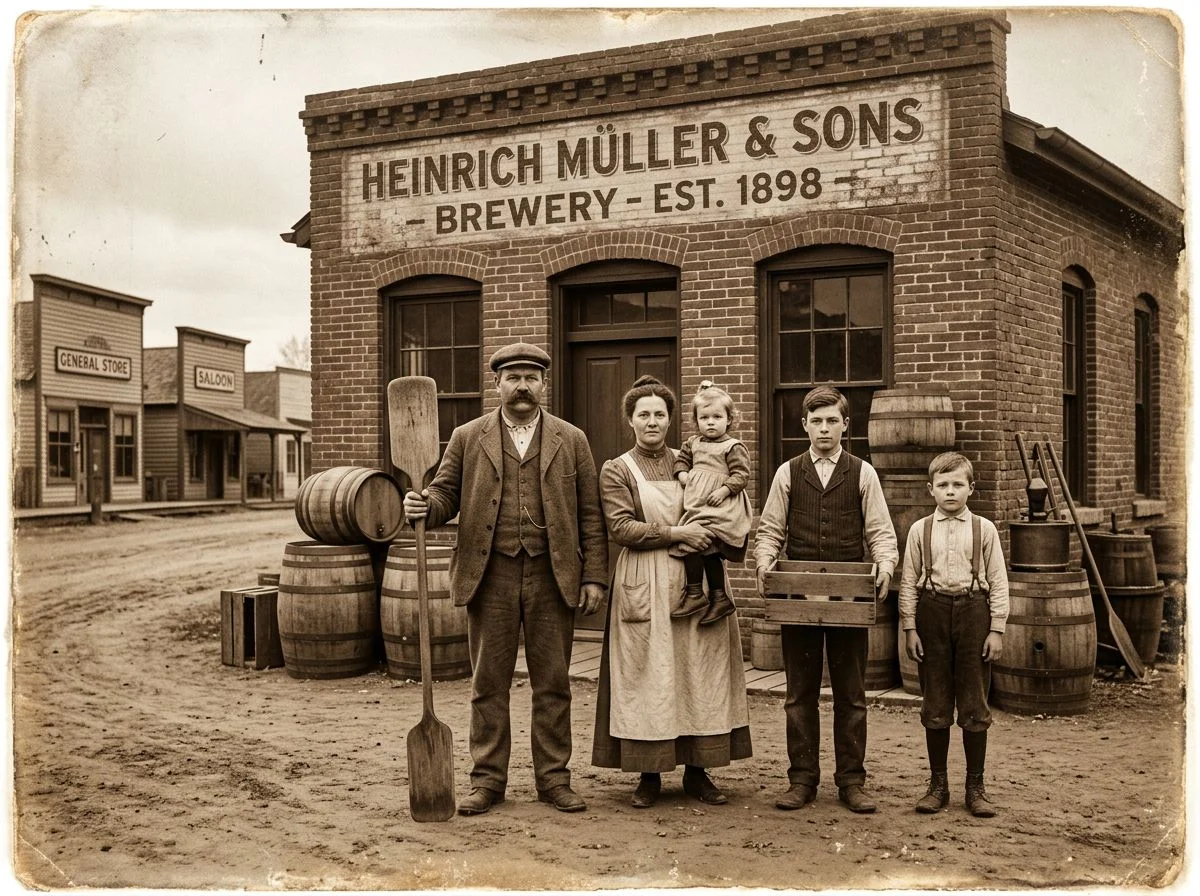
Take New Glarus Brewing Company, for example. Dan Carey has been making world-class beer in Wisconsin since 1993. Spotted Cow gets all the glory, but their altbier — when they release it — is a masterclass in restraint. It’s not on the shelves year-round, which makes it feel like a secret handshake among those who know.
Then there’s the water. Much of the Midwest sits on limestone-rich aquifers. That produces water with a moderate mineral profile — perfect for the style’s balanced malt-and-hop character. Brewers in Düsseldorf have similar water profiles, which is partly why the style took root there in the first place. It’s not a coincidence that some of the best examples of altbier in the country come from Wisconsin, Minnesota, and Michigan.
The Cash Flow Problem That Almost Sank Them
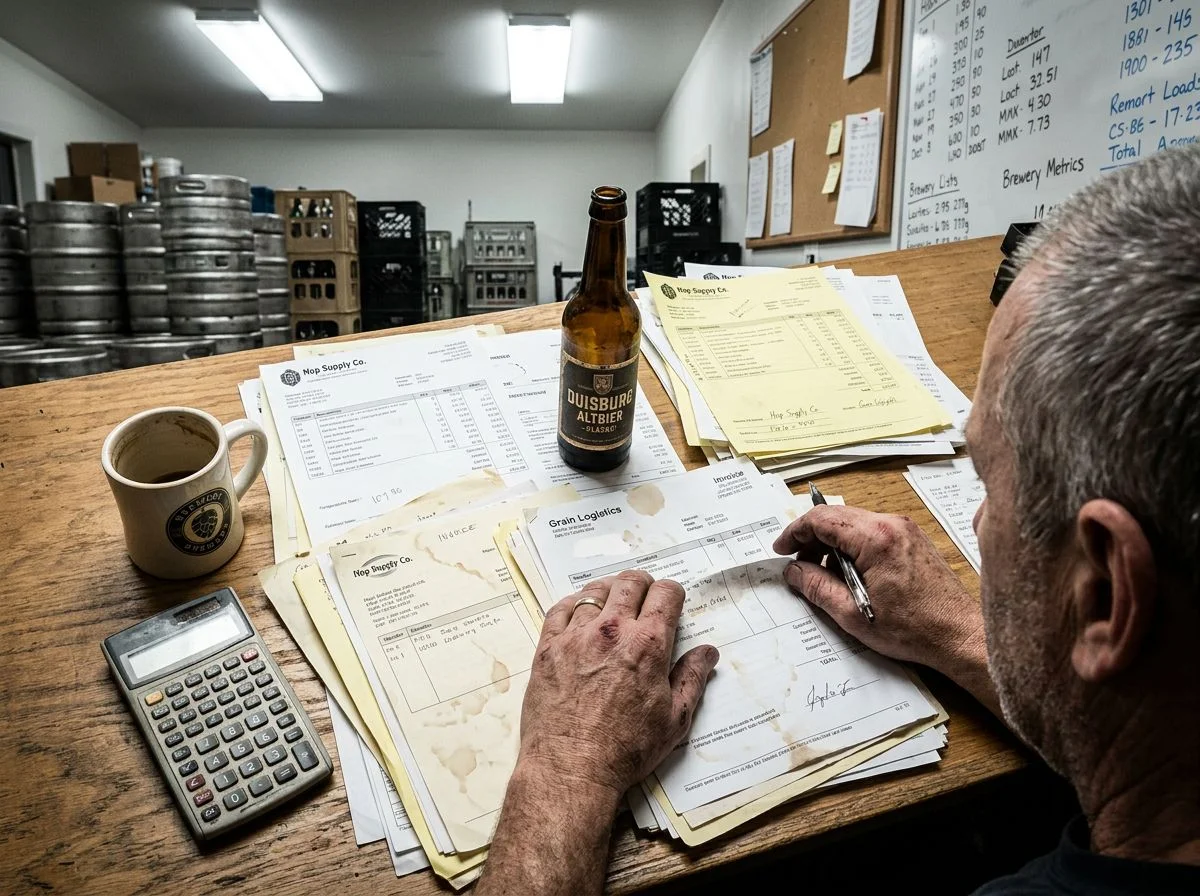
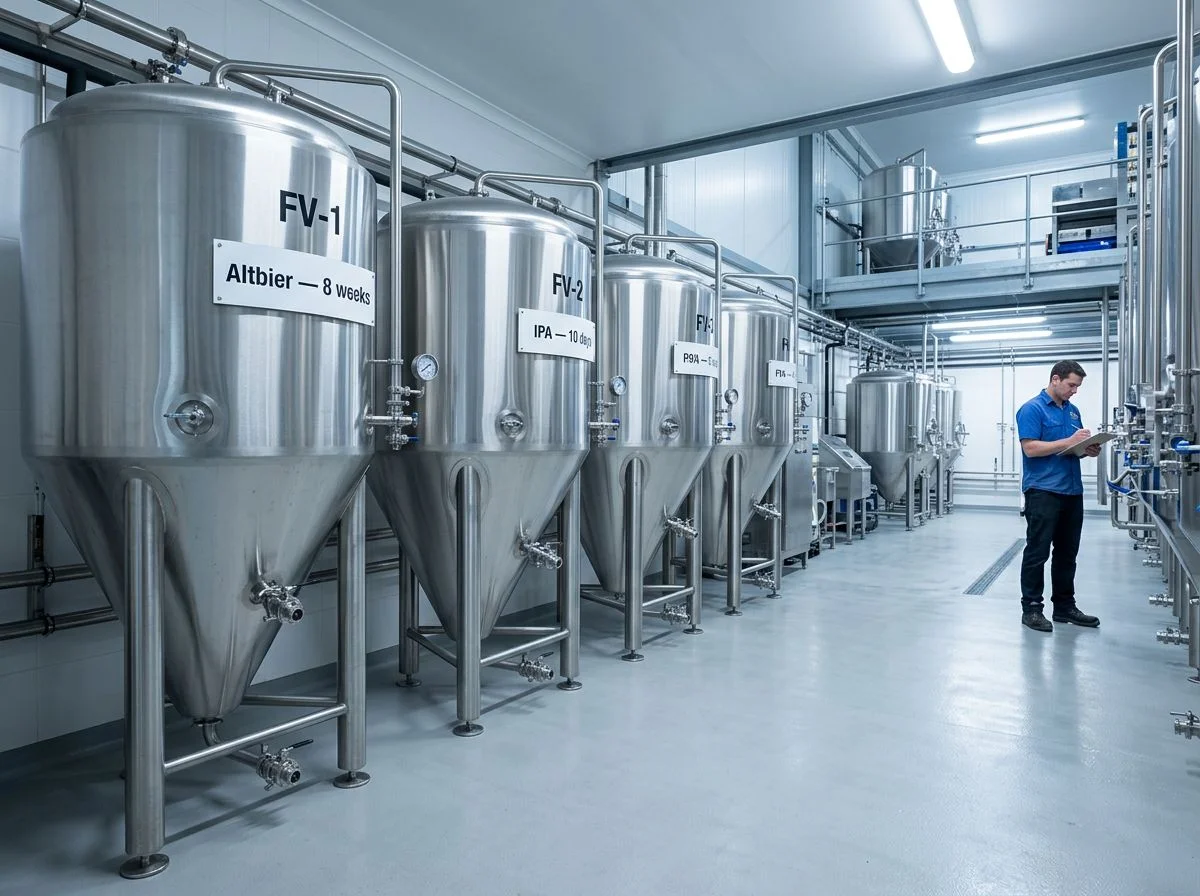
Here’s the honest part: altbier is a pain in the neck to brew well. It requires a dual fermentation process — warm primary fermentation with ale yeast, then weeks of cold conditioning. That’s time, tank space, and money tied up in a beer that might not fly off the shelf.
I talked with a brewer in Michigan who tried a commercial batch of altbier and ended up dumping half of it. “It was fine,” he told me, shrugging. “But ‘fine’ doesn’t sell when there are 40 other tap handles in the bar.” He’s not wrong. In a market saturated with double IPAs and pastry stouts, a well-made altbier can feel almost radical in its modesty.
But here’s the thing: the breweries that stick with it — the ones that treat altbier as a craft worth perfecting rather than a trend to chase — they’re the ones building real loyalty. A customer who discovers a great altbier doesn’t just drink it once. They come back. They bring friends. They ask the bartender when the next batch is coming.
Why More Breweries Skip the Patience Game
If you’re curious about exploring altbier midwest-style, you don’t have to travel to Düsseldorf. Here are a few places to start, based on my own travels and conversations:
- New Glarus Brewing (Wisconsin): Their altbier releases are limited, but worth hunting for. Check their brewery calendar and plan a trip.
- Forager Brewery (Minnesota): They’ve done several alt-inspired brews over the years, often with a slightly modern twist.
- BuckleDown Brewing (Illinois): This small operation outside Chicago has a German-leaning lineup that includes a solid alt.
And if you’re lucky enough to live near a brewery that makes one, ask the brewer about it. Most of them will light up at the chance to talk about a beer they made for themselves, not for the market.
Where to Find the Good Stuff
I’ll admit it: I used to skip altbier on tap lists. It seemed boring next to the barrel-aged stouts and the experimental sours. But somewhere along the way — probably around that first glass in Wisconsin — I started to understand what I was missing.
Altbier isn’t trying to impress you. It’s not loud or flashy or covered in adjuncts. It’s just a well-made beer that asks you to slow down and pay attention. In a world that’s constantly screaming for your attention, that’s a rare and valuable thing.
Mike from Iowa put it best when I asked him why he keeps brewing it: “It’s the beer I’d want after a long day of work. It’s not a celebration beer or a special occasion beer. It’s just… a beer. And that’s enough.”
That’s the case for altbier midwest brewing in a nutshell. It’s not the beer that wins awards or trends on social media. It’s the beer that shows up, does its job, and leaves you feeling satisfied. And this fall, when the leaves start turning and the air gets crisp, there’s nothing better to have in your glass.