Table of contents
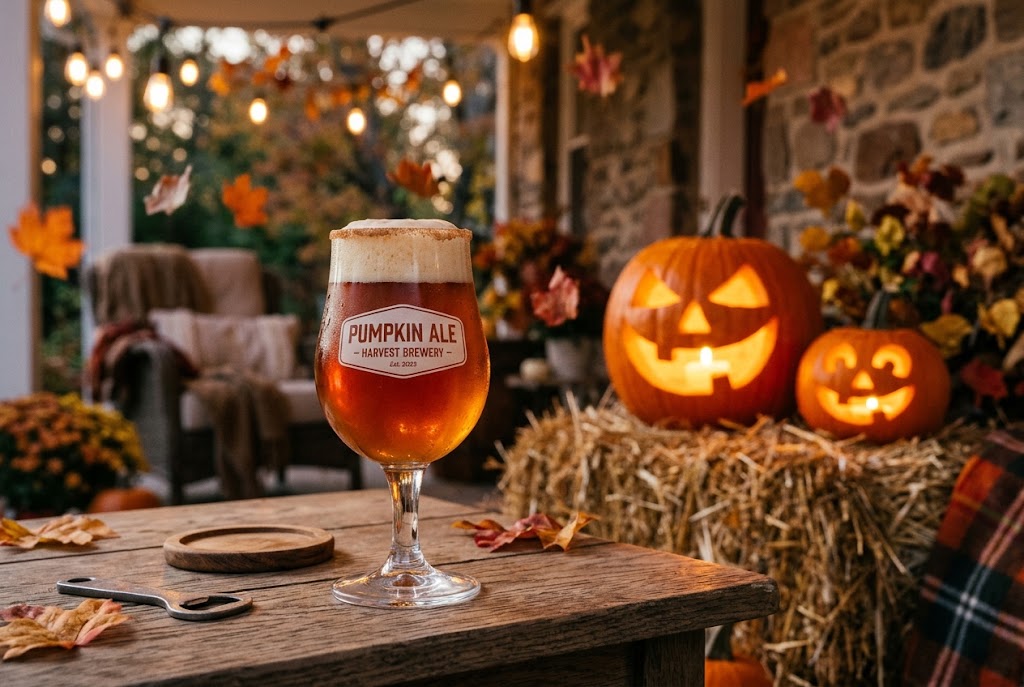
Every September, a taproom manager somewhere in the Midwest pulls a pint of orange-tinged ale. They set it on the bar and brace for the comment. It usually comes with a grin, sometimes with a sigh: “Pumpkin beer, huh. Who actually drinks this stuff?”
The honest answer, at least in the Midwest, is: plenty of people. Enough that breweries from Michigan to Missouri keep brewing it. They keep selling it, and they keep arguing about it behind the scenes. The pumpkin beer midwest tradition is one of the strangest corners of the regional craft beer calendar. It’s also one of the most reliably profitable, and one of the most quietly contentious. Brewers will privately grumble about it and publicly defend it, often in the same breath.
Here’s the thing about pumpkin beer: almost nobody who makes it thinks it’s the best beer they brew. That’s exactly what makes the story interesting.
Why the numbers make the argument
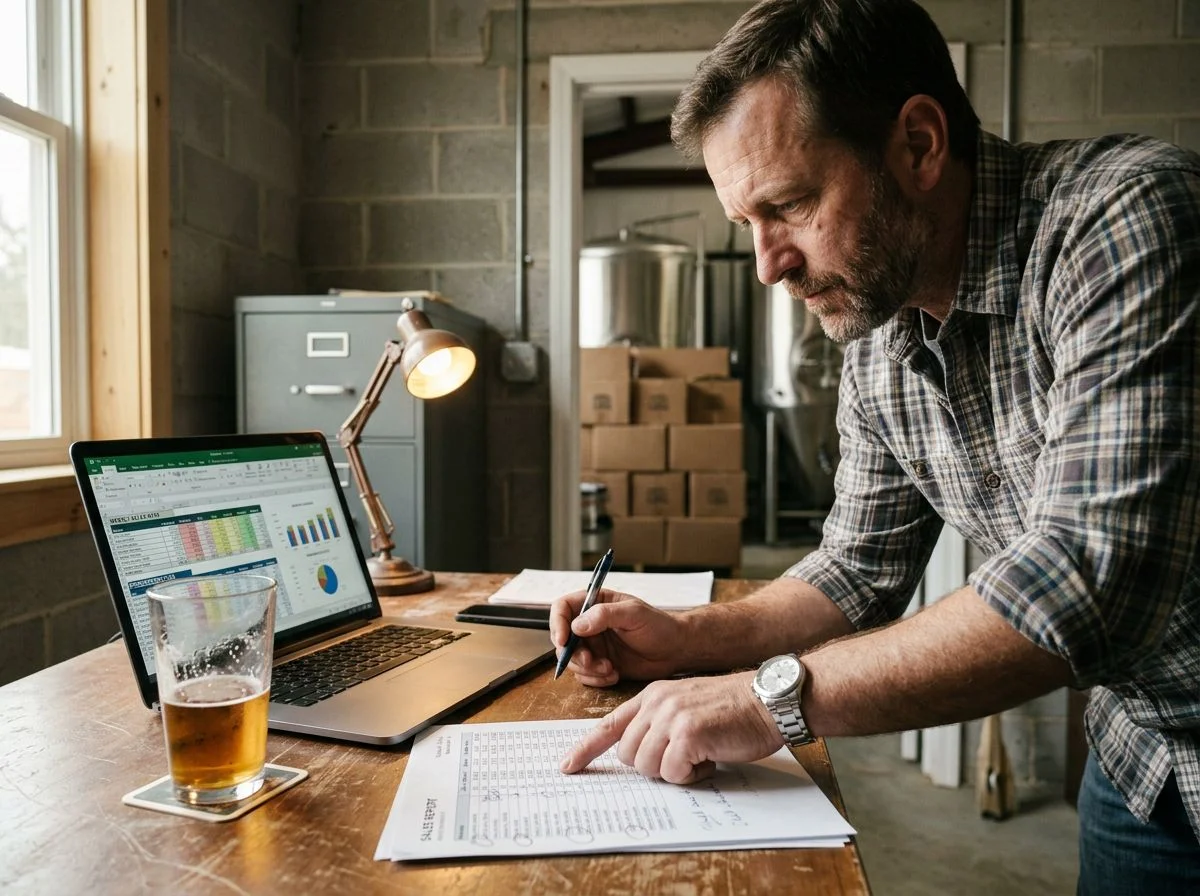
Start with the business case, because it’s the one part of the pumpkin debate that’s hard to argue with.
For many Midwest breweries, pumpkin ales are among the highest-margin seasonal releases of the year. The base beer is often a relatively simple amber or brown ale. The pumpkin itself is cheap next to, say, a barrel-aged stout or a heavily dry-hopped IPA. That holds whether they use canned puree, roasted local squash, or a spice-only approach. And the spice blend (cinnamon, nutmeg, allspice, ginger, clove) costs pennies per barrel at the dosage rates most brewers use.
Then there’s the pricing. A four-pack of pumpkin ale often retails a dollar or two higher than a brewery’s year-round flagship. That’s because consumers treat it as a limited seasonal treat. Brewers know this. They also know the beer will sell out in six to eight weeks and free up tank space by Thanksgiving.
The result is a category that works, for a lot of small breweries, as a quiet annual fundraiser. A 3-barrel nano-brewery in Iowa can move a pumpkin release through its taproom in a few weekends. Then it banks the margin heading into the slower winter months. A regional player in Wisconsin or Ohio can put it on shelves across three states and watch it disappear.
That’s the unglamorous truth behind a lot of those orange labels: pumpkin beer pays for things. It pays for equipment. It pays for the winter lull. It pays, sometimes, for the experimental beer nobody’s margin can justify.
Why brewers can’t agree on pumpkin beer midwest
Here’s where the fighting starts.
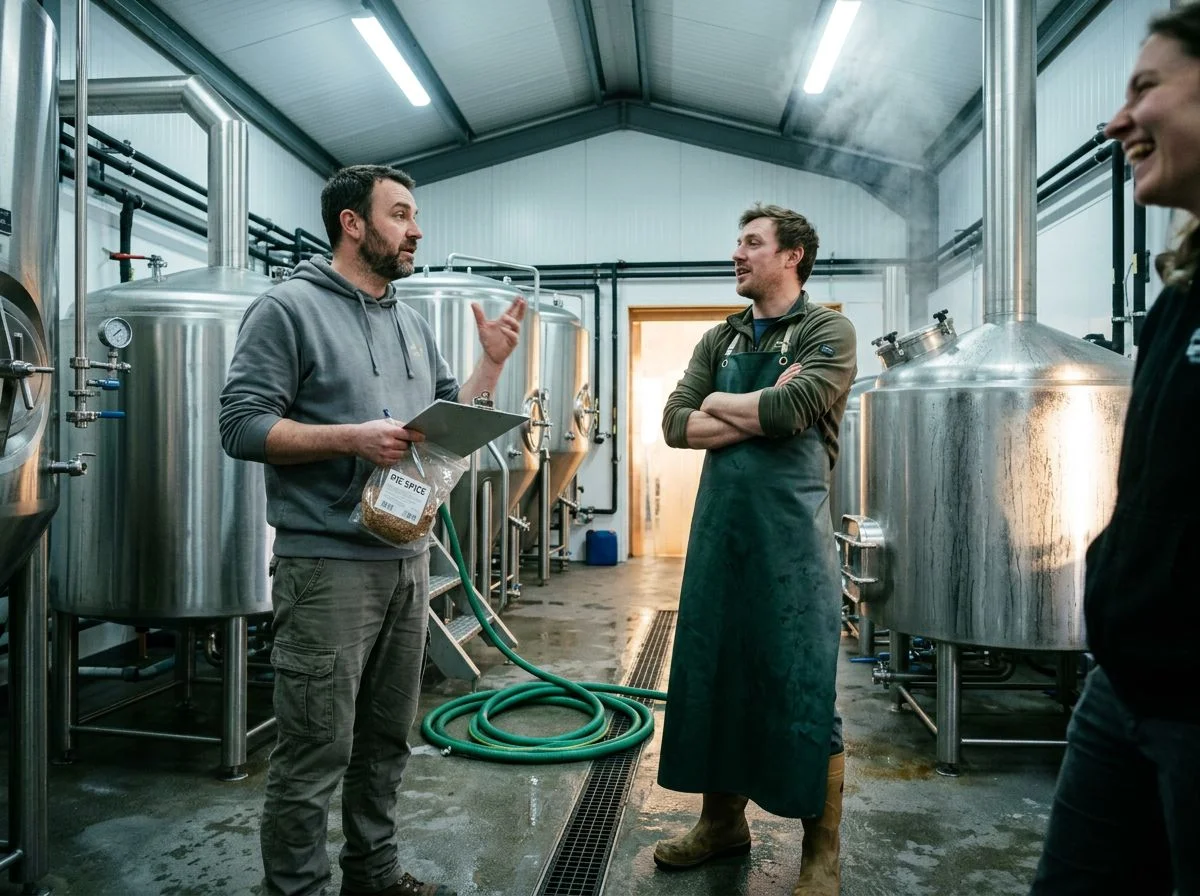
There’s no consensus on what a pumpkin beer should taste like, and the disagreement is genuinely bitter in some brewhouses. Two schools dominate.
The first is the spice-forward approach. This is the beer that tastes like pumpkin pie, where cinnamon and nutmeg lead and the squash is almost an afterthought. This style built the category’s reputation, and it sells most reliably to casual drinkers. It’s also the one that gets the most eye-rolls from beer geeks, who sometimes call these “potpourri ales” or worse.
The second is the squash-forward approach. These brewers actually roast pumpkin or squash, add it to the mash, and try to coax real vegetal sweetness and body out of it. They use spice as a supporting note rather than the headline. These brewers tend to be a little defensive. They’ll tell you, correctly, that pumpkin itself is mostly water and doesn’t add much fermentable sugar. That’s why so many “pumpkin” beers rely on spice to carry the flavor. They’ll also tell you that the spice-only crowd is giving the category a bad name.
The argument isn’t just aesthetic. It’s about what the customer actually wants. A brewery that goes full squash-forward risks a beer that tastes, to an untrained palate, like it’s missing something. A brewery that goes full spice-forward risks being dismissed as gimmicky by the people who write about beer for a living.
Most Midwest breweries split the difference. They use real pumpkin, often sourced from a farm within driving distance, which makes for a good label story. Then they dose it with a spice blend calibrated to taste like the idea of pumpkin rather than the vegetable itself. It’s a pragmatic compromise, and like most compromises, it leaves both sides a little unsatisfied.
Where the local squash question comes from
The Midwest has one genuine advantage in this fight: it grows a lot of squash.
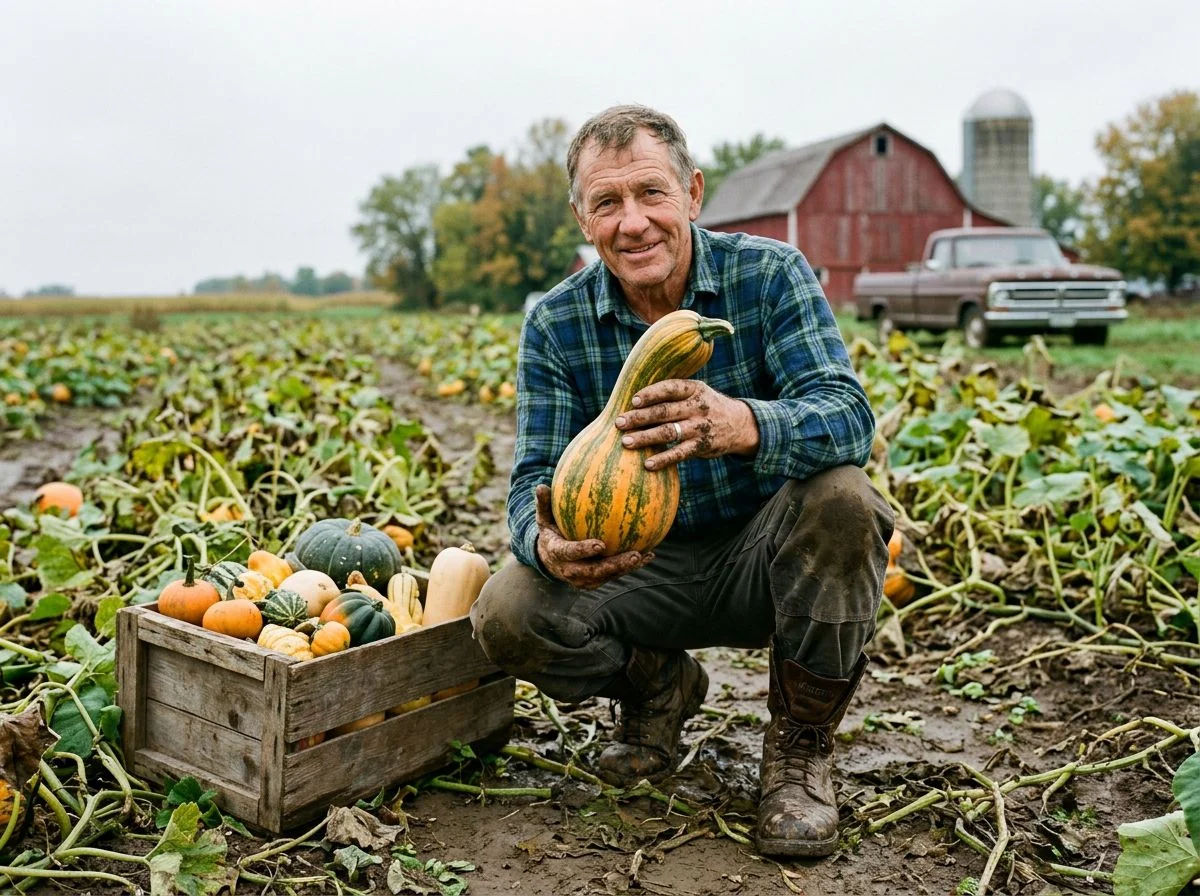
Illinois is the country’s largest pumpkin-producing state by a wide margin. The bulk of the crop comes from a cluster of counties around Peoria. Those farms supply both canned pumpkin processors and the fall decorative market. That proximity means a Midwest brewery can source real pumpkin or processing squash locally in a way a brewery in, say, Arizona can’t. Several do, building label copy and taproom events around the harvest.
Some breweries take it further, partnering with nearby farms for varietals that aren’t the standard jack-o’-lantern pumpkin. Those big carving pumpkins are bred for size and looks, not flavor. They’re stringy and watery. The squash that actually tastes good in a beer is more likely to be a Dickinson or a butternut. The breweries that know the difference tend to be the ones most vocal about doing pumpkin beer “right.”
Whether drinkers can taste the difference is an open question. Plenty of blind tastings suggest the spice dominates regardless of how carefully the squash was sourced. But the local-sourcing angle matters for a different reason: it gives a brewery a story. And in the Midwest, a story about a farm down the road sells better than a story about a flavor compound.
Why the pumpkin beer backlash is real
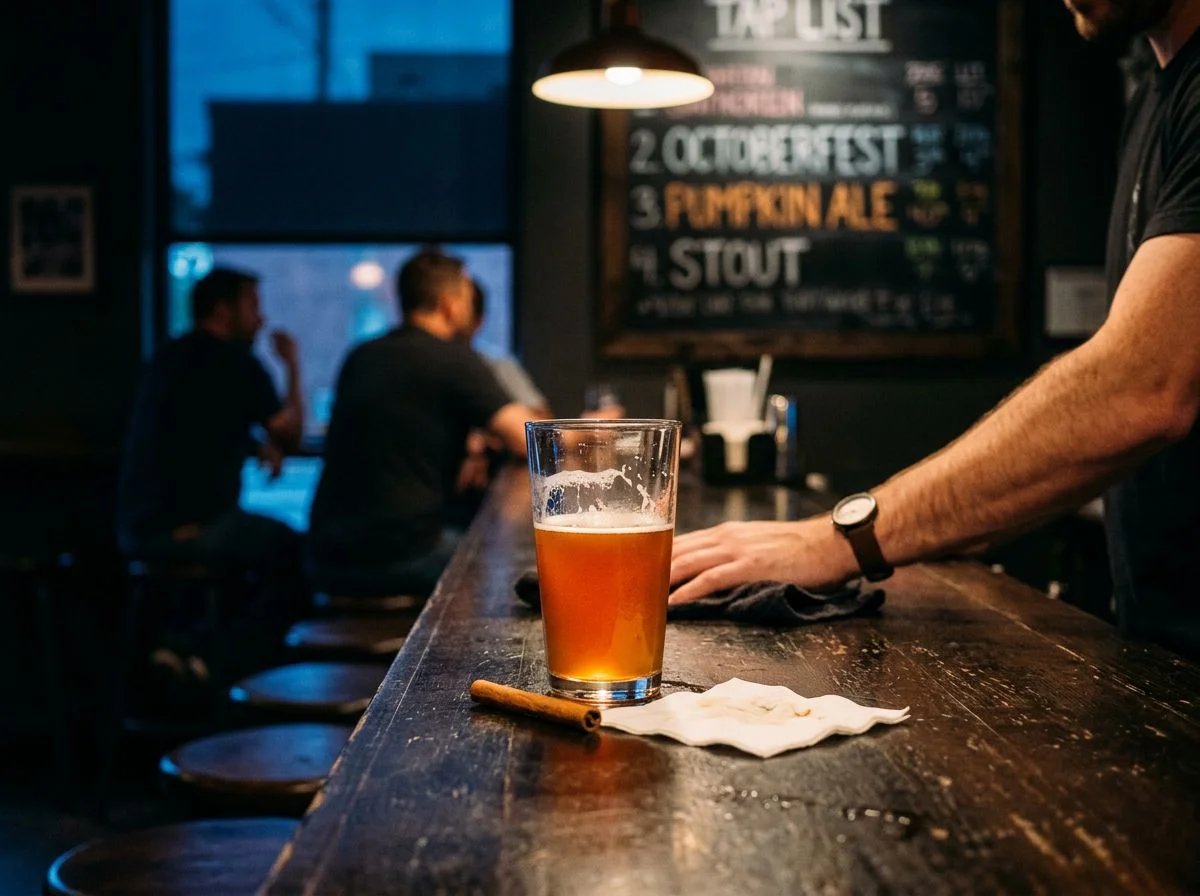
It’s tempting to frame the pumpkin backlash as a recent thing. You could blame the category’s explosion in the 2010s, when it seemed like every brewery in America had an orange label by Labor Day. But the grumbling goes back further.
As far back as the early 2010s, beer writers were publishing annual “pumpkin beer is out of control” pieces. The category’s reputation took a hit it never fully recovered from. The oversaturation was real. At the peak, it wasn’t unusual for a single liquor store to dedicate an entire endcap to pumpkin releases from a dozen different breweries. Many of them were nearly indistinguishable from one another.
The result is a category that carries a certain stigma. Brewers are aware of it, and it shapes how they talk about their own product. Ask a brewer about their pumpkin ale and you’ll often get a slightly apologetic preface: “Look, I know, but…” or “Hear me out.” That defensiveness is a tell. Nobody prefaces a description of their IPA that way.
Some breweries have responded by leaning into the joke. They name their pumpkin beer something self-aware and print a wink on the label. Others have quietly discontinued their pumpkin release and let the category contract. The ones who keep brewing it tend to be the ones who’ve figured out something simple: the customers who love pumpkin beer really love it. They don’t particularly care what the beer geeks think.
What is the pumpkin beer midwest fight about
Strip away the spice-vs.-squash debate and the seasonal-release economics, and the pumpkin argument is a proxy for a bigger question. That question runs through all of Midwest craft beer: who is this industry for?
Pumpkin beer is, by almost any measure, a gateway beer. It brings in people who don’t otherwise drink craft beer. There’s the friend who tags along to the taproom in October. There’s the person who buys a four-pack because the label is fun. There’s the couple who make it an annual tradition. Brewers know this. A pumpkin release can be the first craft beer someone ever enjoys, and that person might come back in January for the stout.
But it’s also the beer most likely to be mocked by the enthusiast crowd. It’s the one that gets left off the “best of” lists. It’s the one that a certain kind of beer drinker uses as shorthand for everything wrong with seasonal gimmickry. Brewers feel that tension acutely. They want to be taken seriously. They also want to sell beer to people who aren’t already converted.
The Midwest’s pumpkin brewers have mostly made their peace with this. They’ll brew the pumpkin ale. They’ll source the local squash. They’ll take the ribbing, and they’ll bank the margin. Then they’ll go back to arguing about the spice ratio in the brewhouse, because that argument, at least, is one they can win.
What the pumpkin beer fight means for us
For the drinker, the practical upshot is simple: pumpkin beer in the Midwest is worth taking seriously, even if you’ve been burned by a bad one. The category has more range than its reputation suggests. The breweries doing real squash work are making something genuinely worth a pint. They source locally, roast it themselves, and treat the spice as a seasoning rather than the whole dish.
For the skeptic, here’s the honest admission: a lot of pumpkin beer is mediocre. It’s brewed to hit a seasonal deadline rather than to make a point. But the same is true of a lot of IPAs, and nobody’s writing off the entire style. The pumpkin category has earned some of its reputation and none of its dismissal.
And for the brewer still deciding whether to brew one this fall: the numbers probably already made the decision for you. The argument in the brewhouse is just the part that comes after.
Suggested tags: pumpkin beer, Midwest craft beer, seasonal releases, brewing business, fall beer