Table of contents
The first cold snap hits and something shifts in a Midwest taproom. The hazy IPAs and bright pilsners that carried the summer suddenly feel wrong in your hand. What you want is something darker, maltier, a beer that drinks like a heavy coat. Brewers know this. Every fall they start rolling out the upcoming winter beers that will carry their taprooms through January.
The winter release calendar in the Midwest isn’t a marketing gimmick. It’s a real shift in what breweries make and what customers order. Weather drives it. Tradition drives it. So does the simple fact that a barrel-aged stout tastes better when there’s frost on the window. Here’s what’s landing on taps and shelves across the region this season, and the stories behind a few of them.
Dark and Strong Beers Lead the Winter Lineup
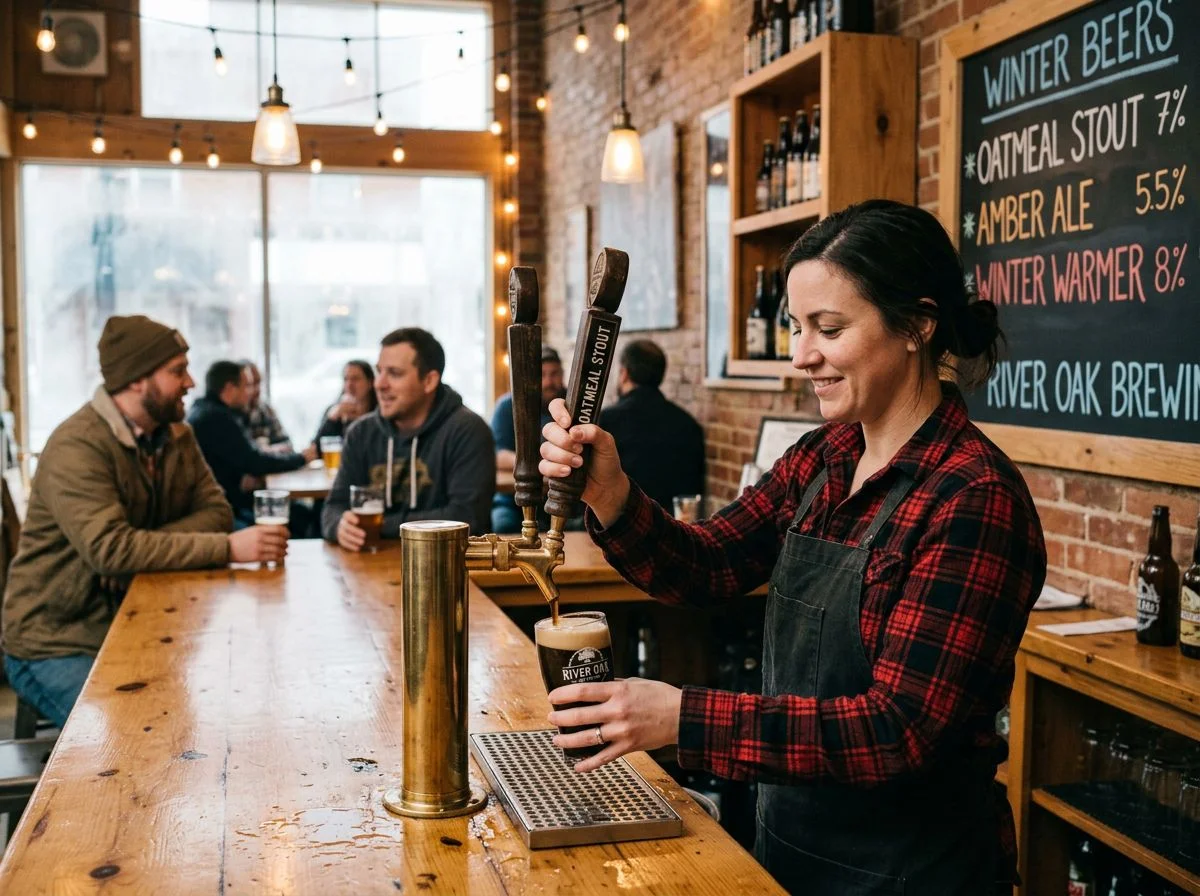
Winter beers in the Midwest tend to cluster around a few styles. You’ll see stouts, porters, Scotch ales, barrel-aged everything, and the spiced winter warmers that show up right around Thanksgiving. The common thread is malt. Summer beers lean on hops and lightness. Winter beers lean on roasted barley, caramel malt, and often a higher ABV to match the season.
Wisconsin’s New Glarus Brewing has built its winter reputation on this idea. Its Snowshoe Red Ale, a winter seasonal in the brewery’s rotating lineup, leans on a hearty malt backbone and a warming finish. Founder Dan Carey has long described it as a beer built for the cold months rather than the patio. New Glarus doesn’t distribute outside Wisconsin. That means the upcoming winter beers from the brewery are a genuine road-trip excuse for anyone in the Chicago or Twin Cities area.
Michigan’s Bell’s Brewery takes a different route with Christmas Ale, a Scotch ale released each November. It has been part of the brewery’s winter lineup for decades. It’s malty, a little smoky, and strong enough that one bottle is usually the right call. Bell’s has been making it since the late 1980s. That makes it one of the older winter seasonals still in regular production in the Midwest — a fact worth remembering the next time someone tells you winter beers are a recent trend.
Barrel-Aging Season Costs Brewers Real Money
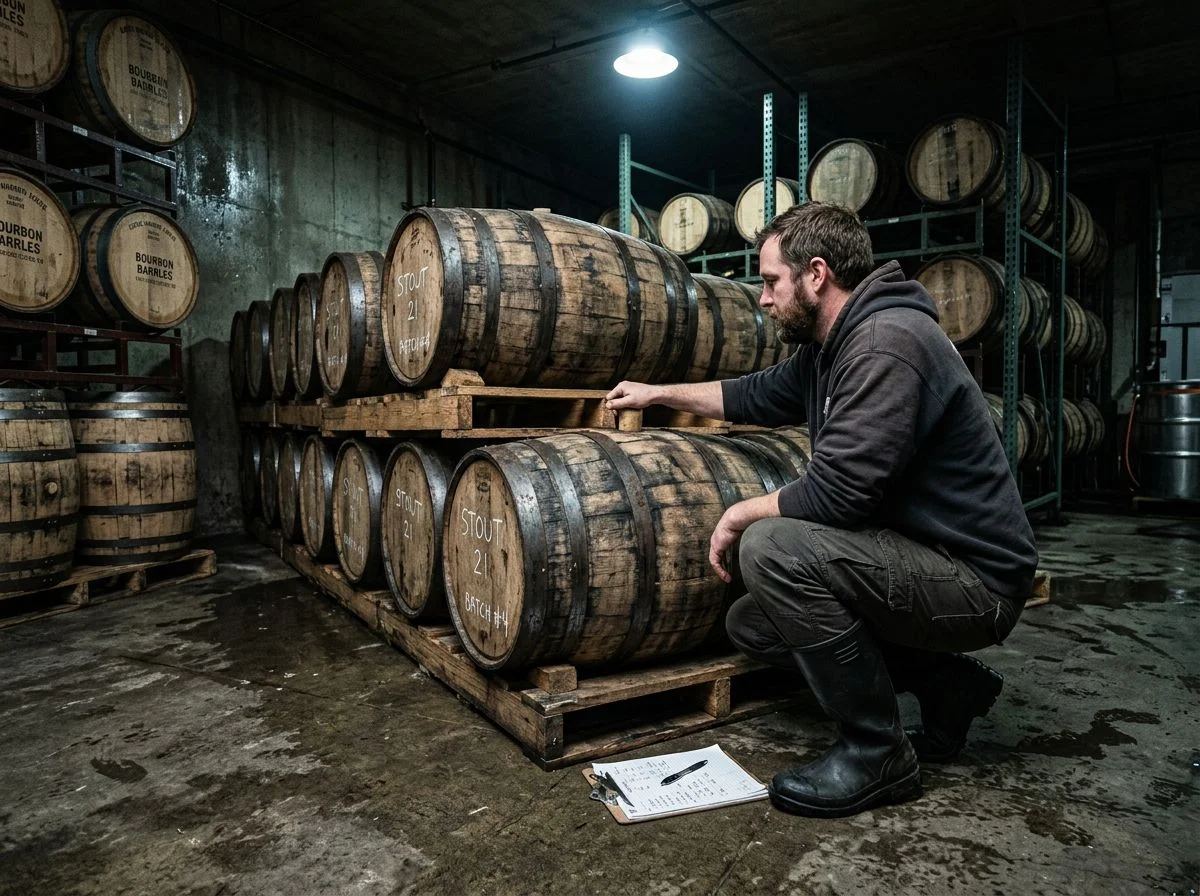
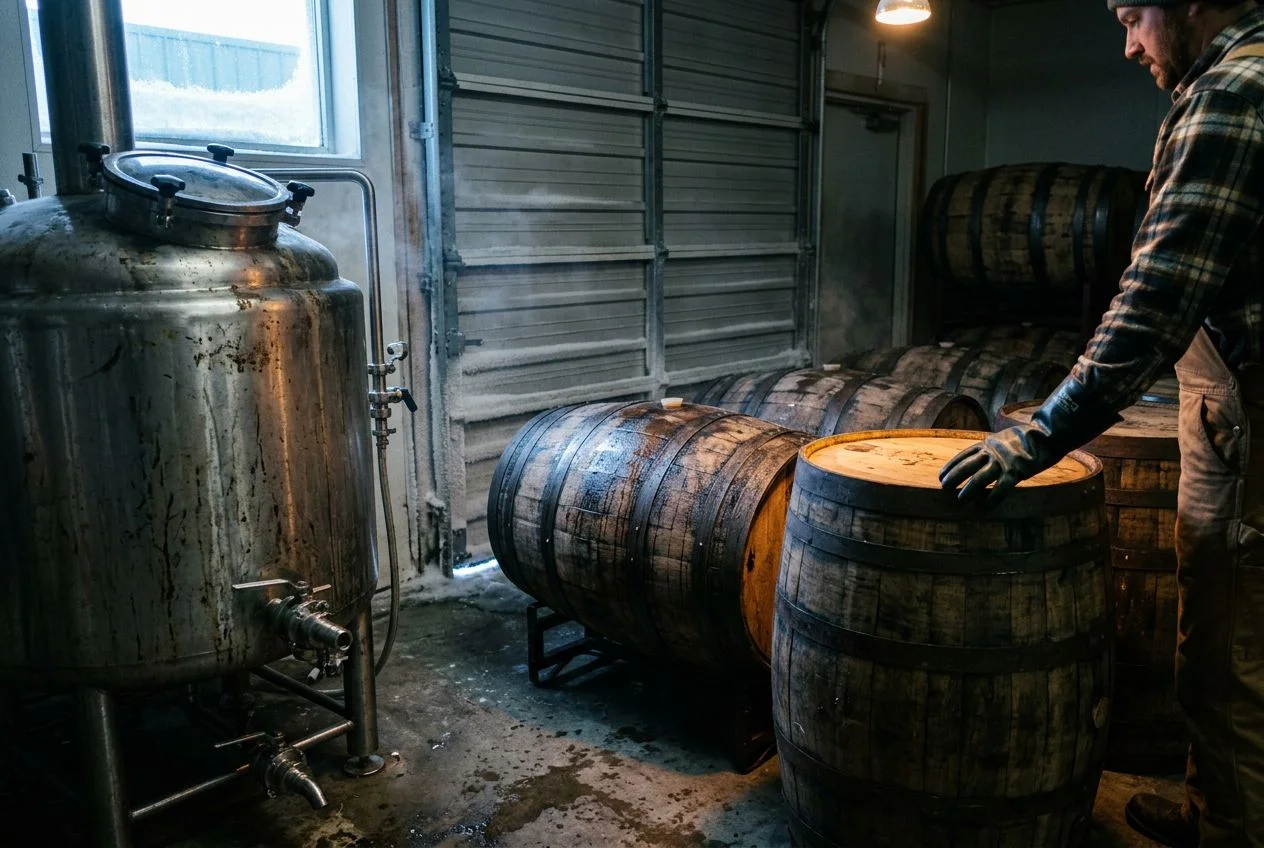
If there’s one category that defines the upcoming winter beers at most Midwest breweries, it’s barrel-aged releases. The reason is practical. Barrels need time. A beer that goes into a bourbon barrel in the spring is ready to sell right when the weather turns.
The cost is real. A used bourbon barrel can run a small brewery $150 to $250 or more. That’s before you account for the beer that evaporates during aging — the “angel’s share” that never makes it to the bottle. For a 5-barrel nano-brewery, a single barrel-aged release can tie up a meaningful chunk of working capital for months. That’s why many smaller operations release barrel-aged beers in limited quantities, often at the taproom only, rather than committing to wide distribution.
Central Waters Brewing in Amherst, Wisconsin, has turned barrel-aging into its signature. The brewery’s Bourbon Barrel Aged Stout and its barrel-aged barleywine releases draw lines at the taproom every winter. The brewery has expanded its barrel program over the years. It’s now one of the larger barrel-aging operations in the state. The beers aren’t cheap — expect $15 to $25 for a bottle depending on the release — but they’re the kind of thing people cellar and open on a cold night in February.
Spiced Winter Warmers Are a Gamble Brewers Know
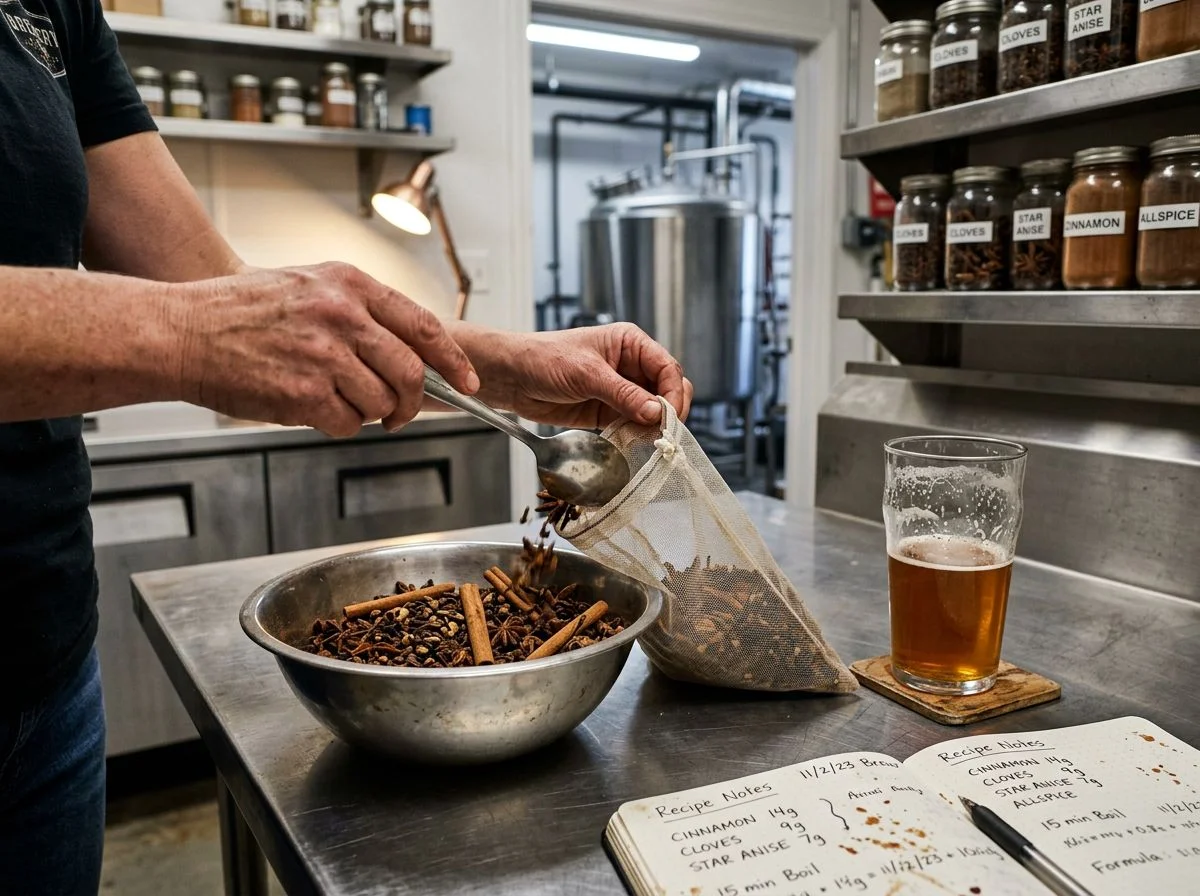
The spiced winter warmer is the most divisive category in the winter lineup. Cinnamon, nutmeg, clove, sometimes orange peel. Some drinkers love them. Plenty of brewers privately admit they’re a headache to make well. Spice levels that taste right at packaging can fade or turn harsh by the time a bottle reaches a shelf in January.
Minnesota’s Surly Brewing has leaned into the darker, less spiced end of winter with its Darkness Russian imperial stout. It’s an annual release that has become one of the most anticipated winter beers in the Twin Cities. The beer is strong — often in the 10% ABV range — and the brewery has released barrel-aged and variant versions over the years that sell out quickly. It’s a good example of a winter release that built its reputation on intensity rather than spice.
Ohio’s Great Lakes Brewing takes the traditional route with Christmas Ale, a spiced winter warmer that has been a Cleveland holiday staple since the late 1980s. It’s honeyed, gently spiced, and has a devoted following that treats its annual release as a marker of the season. Whether it’s your thing depends entirely on how you feel about cinnamon in your beer. That’s a fair thing to be honest about.
What Should You Watch for on Taps This Season?
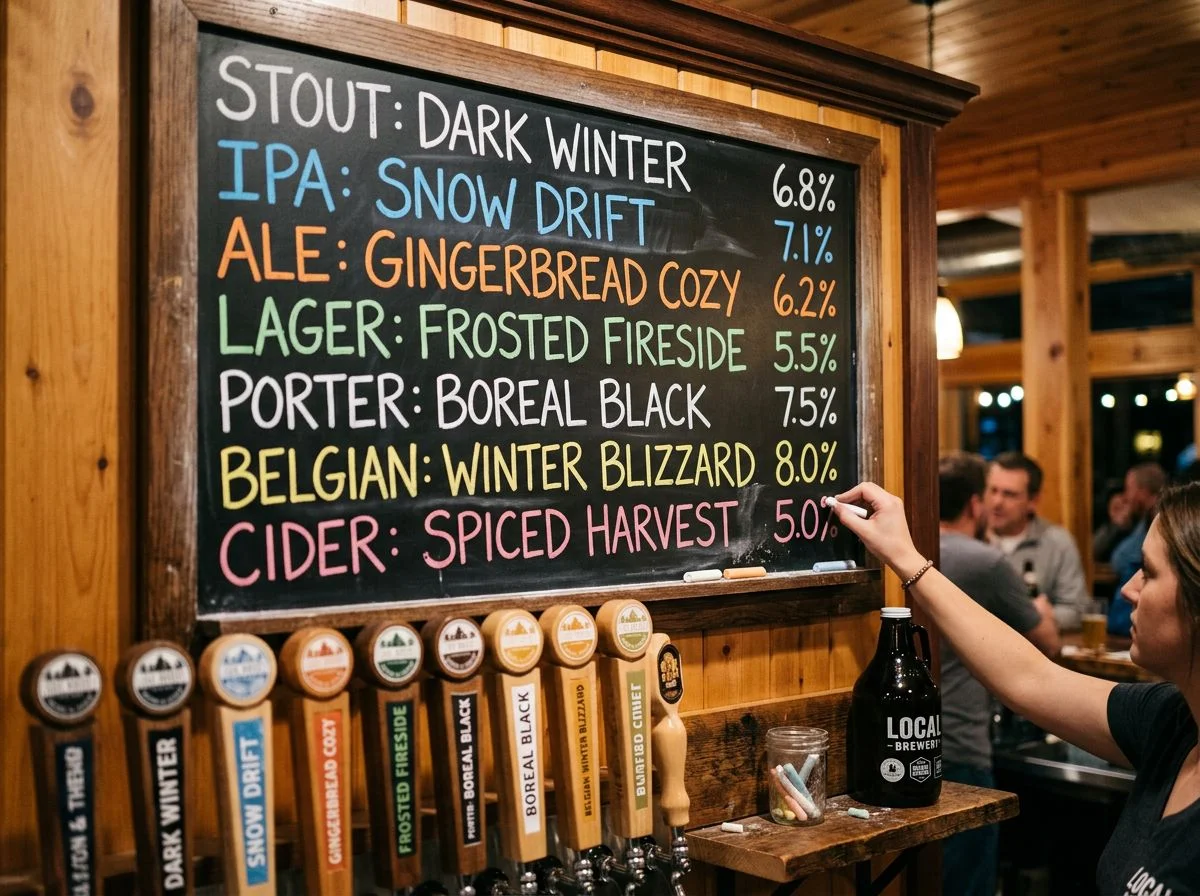
A few practical notes for anyone planning to chase the upcoming winter beers around the Midwest:
- Release dates cluster in November. Most winter seasonals hit taps and shelves between late October and Thanksgiving. Barrel-aged releases often come later, sometimes in December or January, because the aging timeline dictates the schedule.
- Taproom-only releases are worth the drive. Many small breweries reserve their best barrel-aged work for the taproom. There they can control freshness and skip distribution costs. Check a brewery’s social media before making a trip.
- Higher ABV means plan accordingly. Winter beers routinely run 8% to 12% ABV. A flight of four imperial stouts is not the same as a flight of four pilsners. The drive home deserves the same respect you’d give any strong beer.
- Ask about vintage bottles. Some breweries hold back bottles from prior years. A 2023 barrel-aged stout found on a shelf in early 2025 is often better than the fresh release. Taproom staff are usually happy to tell you what’s been cellared.
Iowa’s Toppling Goliath, known nationally for its hazy IPAs, has also built a winter following with its Kentucky Brunch Brand Stout. It’s a barrel-aged imperial stout that ranks among the most sought-after beers in the country. It’s released in limited quantities and often sells out within hours. That’s a reminder that the most hyped upcoming winter beers aren’t always the easiest to find.
The Honest Truth About Upcoming Winter Beers
Not every winter release earns its hype. Spiced beers can taste like a candle shop if the balance is off. Barrel-aged releases can be over-oaked or boozy in a way that flattens the malt. And the higher price point on winter seasonals means a miss hurts more. A four-pack of barrel-aged stout can run $25 to $40. A miss on a $10 six-pack of pale ale stings less.
The breweries that get it right tend to be the ones that treat winter as a discipline rather than a theme. They age their barrels long enough. They don’t over-spice. And they resist the urge to release a “winter” beer in September just to beat the competition to the shelf.
For anyone building a winter beer list this season, the safest bet is to start with the breweries that have been doing it for decades. Bell’s, Great Lakes, Central Waters, Surly. Then branch out to the smaller operations releasing taproom-only barrel-aged beers. Those are the releases where the story behind the pint is usually as interesting as the beer itself. A little research before the drive pays off.
The cold months are long in the Midwest. The upcoming winter beers are one of the better reasons to get through them.